Salon Palermo
A group show on the formal aspects of new painting
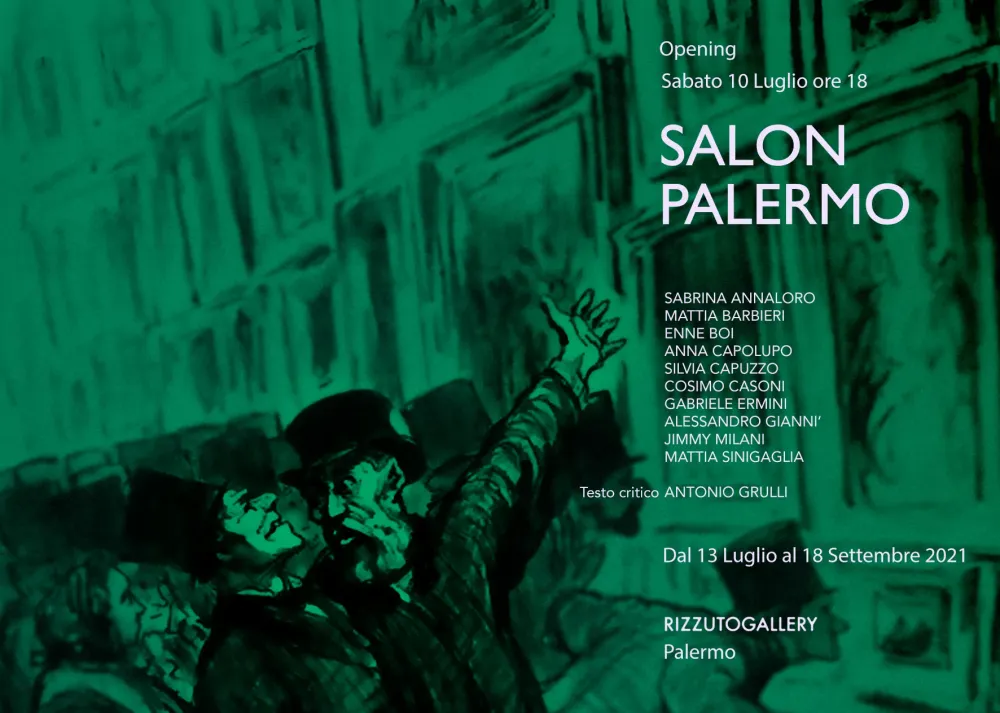
Salon Palermo (2021), the first edition of Salon Palermo: a group show on the formal aspects of new painting. 13 July – 18 September 2021, RizzutoGallery, Palermo. 10 artists, 28 works.
What if one of the answers to the problems of today’s art world were the Salon?
The Salons, held in Paris throughout the nineteenth century, were periodic exhibitions that gave artists the chance to present their work to the public. In the summer of 2021 RizzutoGallery takes up that format — “so dusty, so nineteenth-century” — and brings it to Palermo: ten Italian artists, no imposed theme, the work back at the centre.
Artists
Sabrina Annaloro
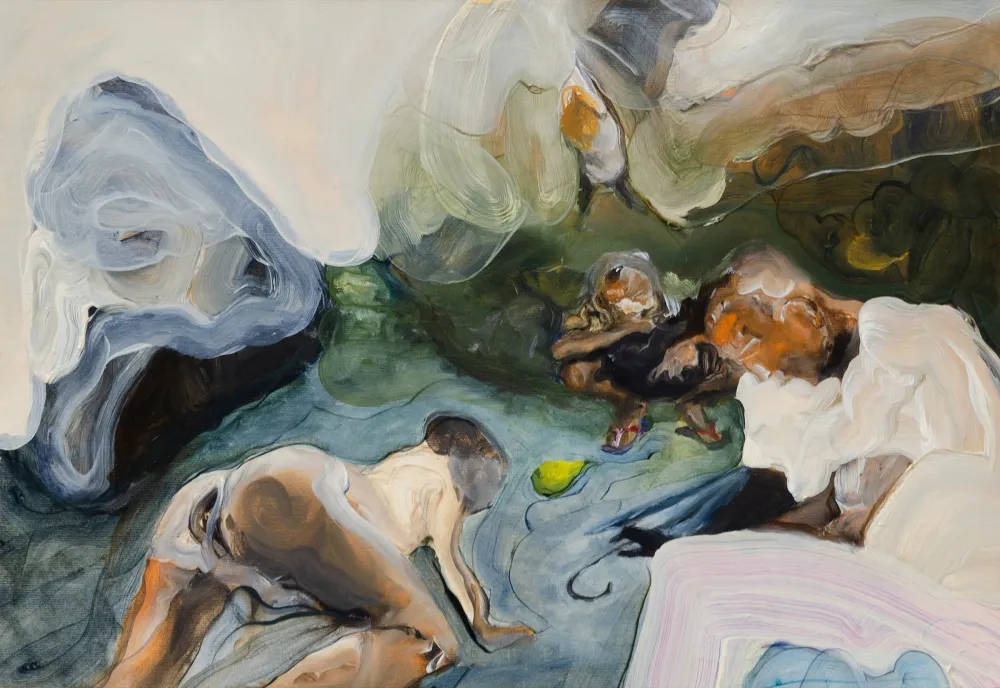
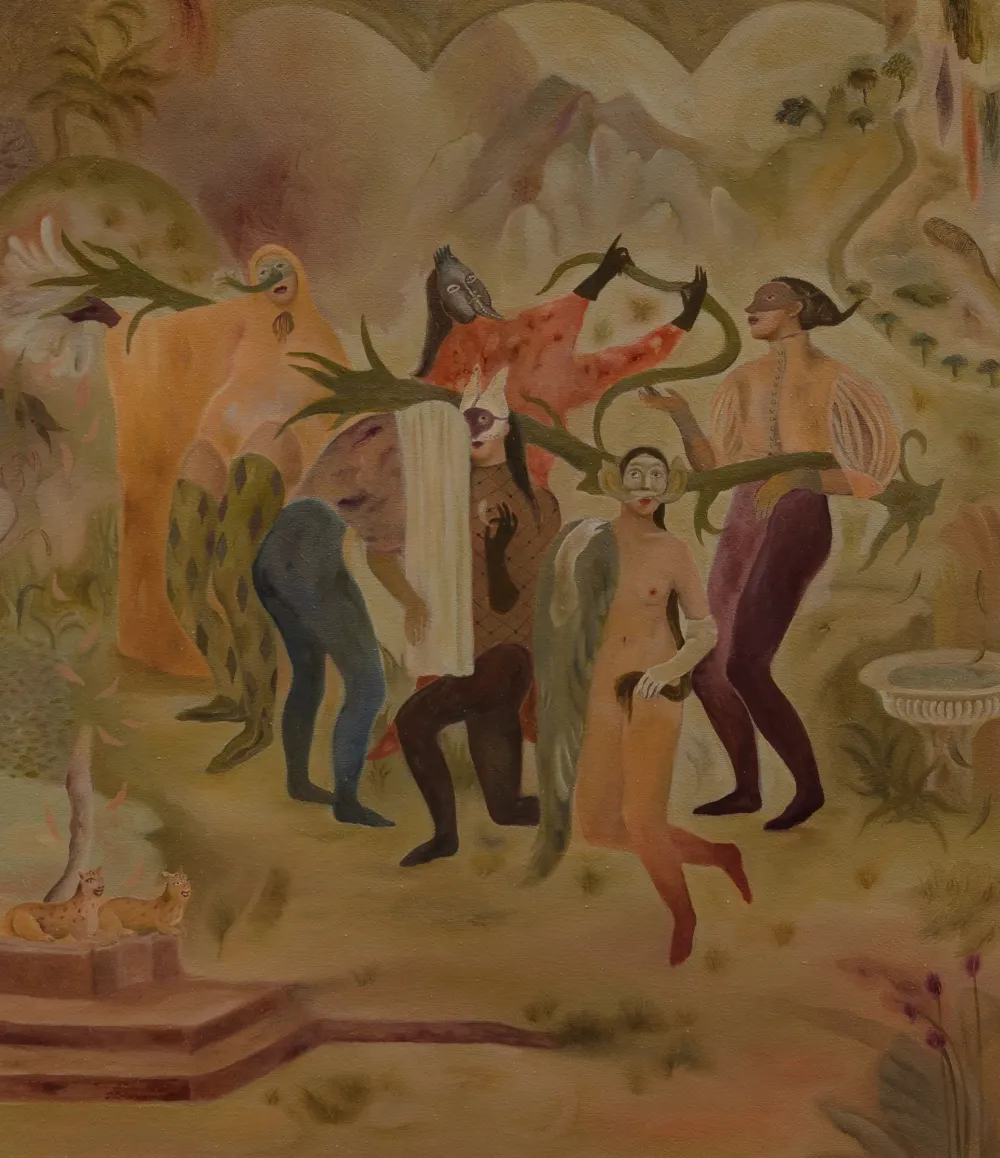
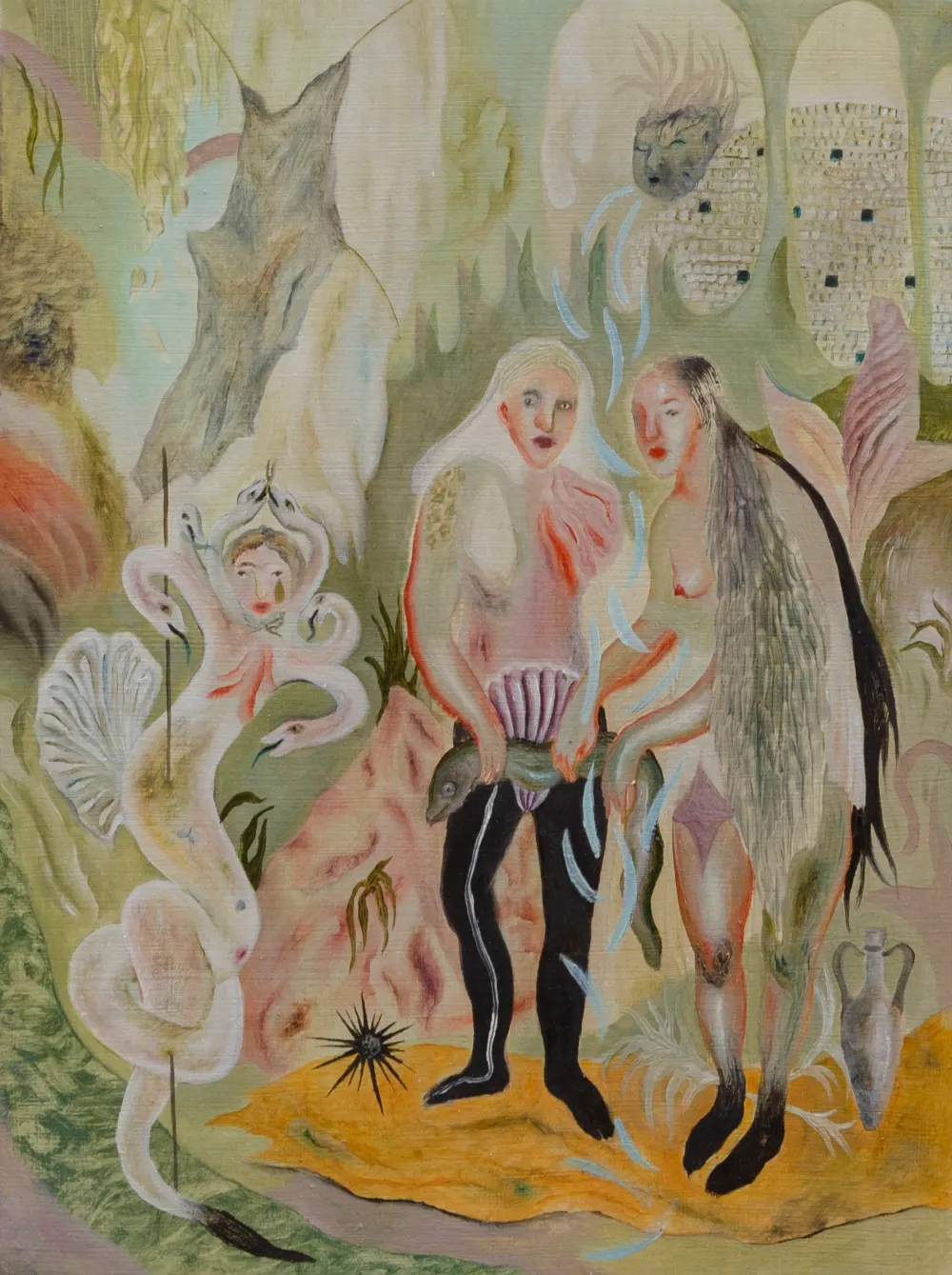
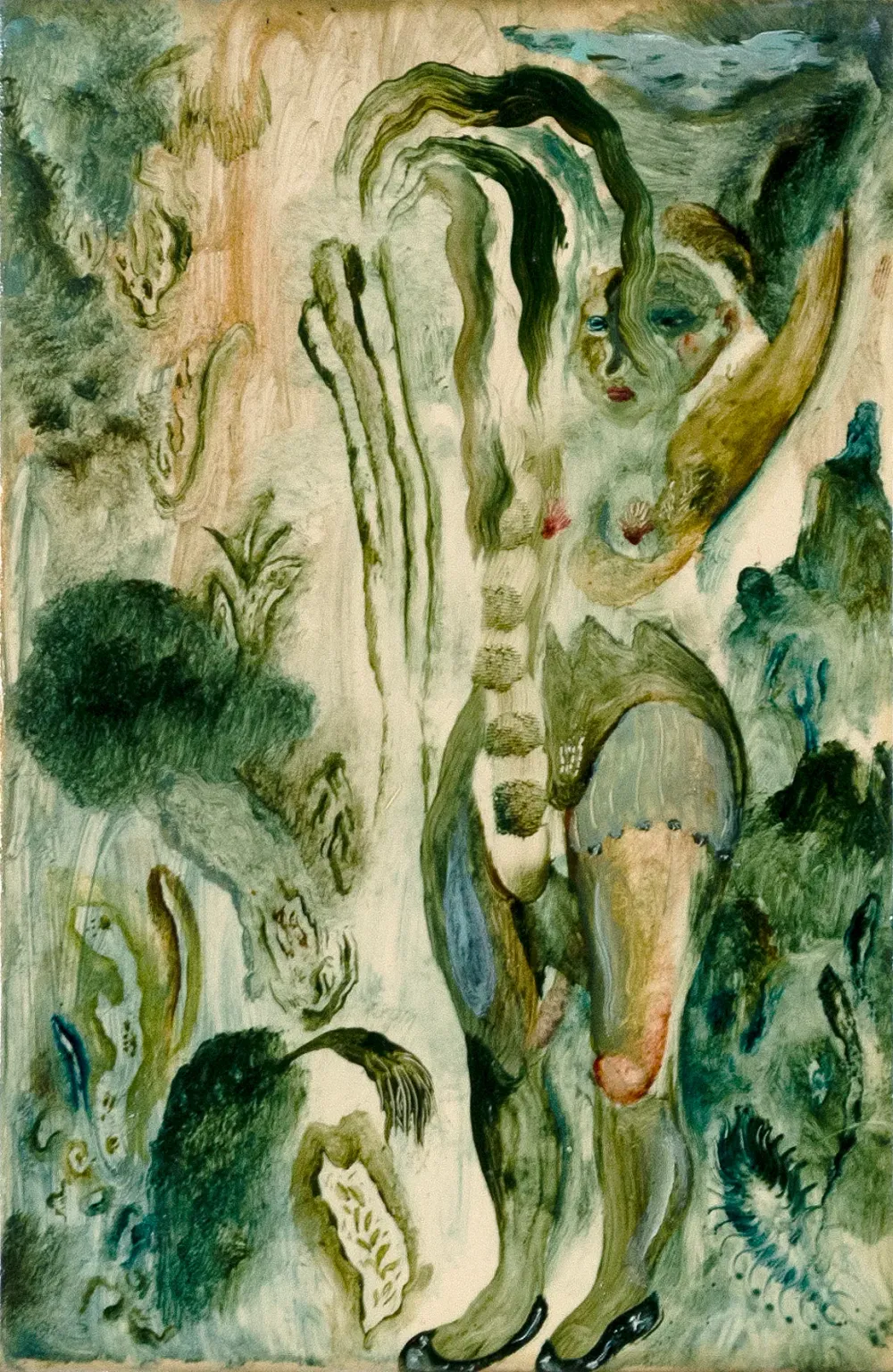
In the case of Sabrina Annaloro (Palermo, 1989), the subjects sink into a mythological, archaic and timeless dimension, immersed in a surreal style and atmosphere with a strong narrative potential. She draws a lot from exotic and oriental-style paintings. Her scenes often show the body subject to processes of transformation and metamorphosis in which the boundary between man and nature, and that between man and animal, disappears completely.
Artist page →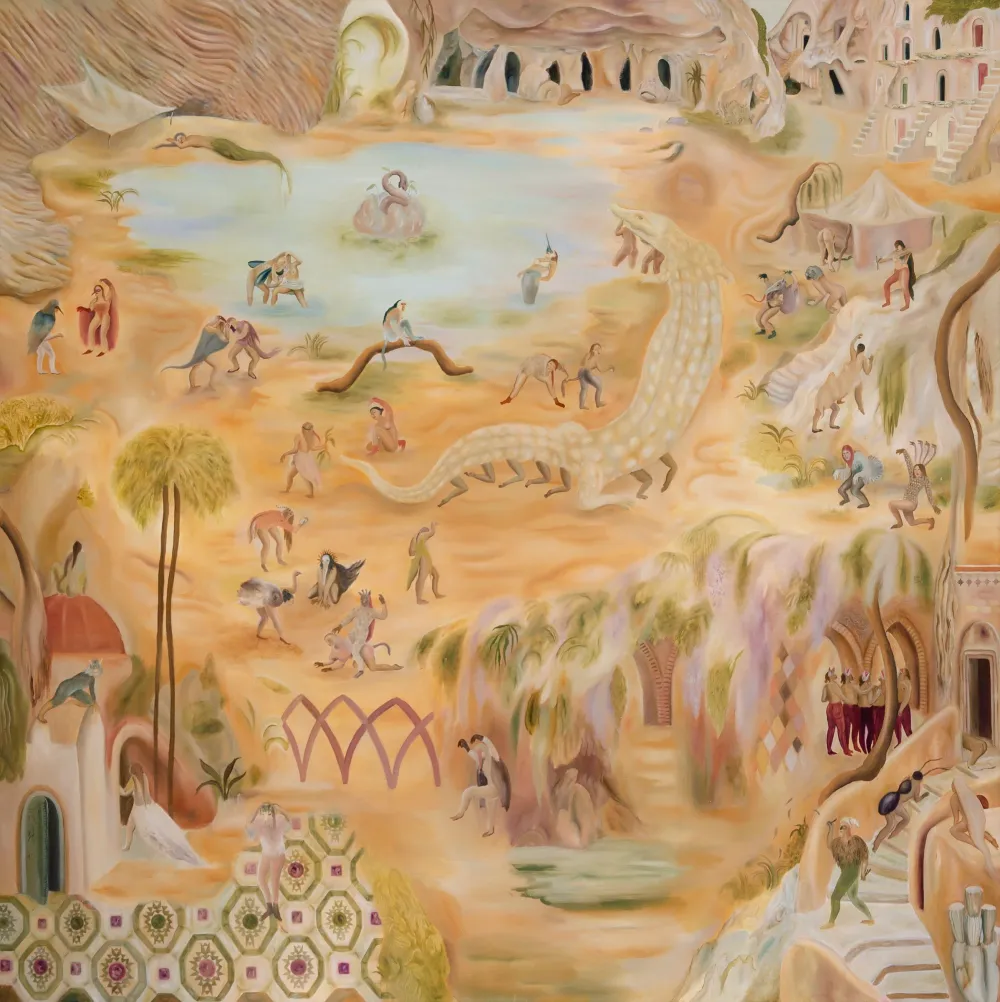
Mattia Barbieri
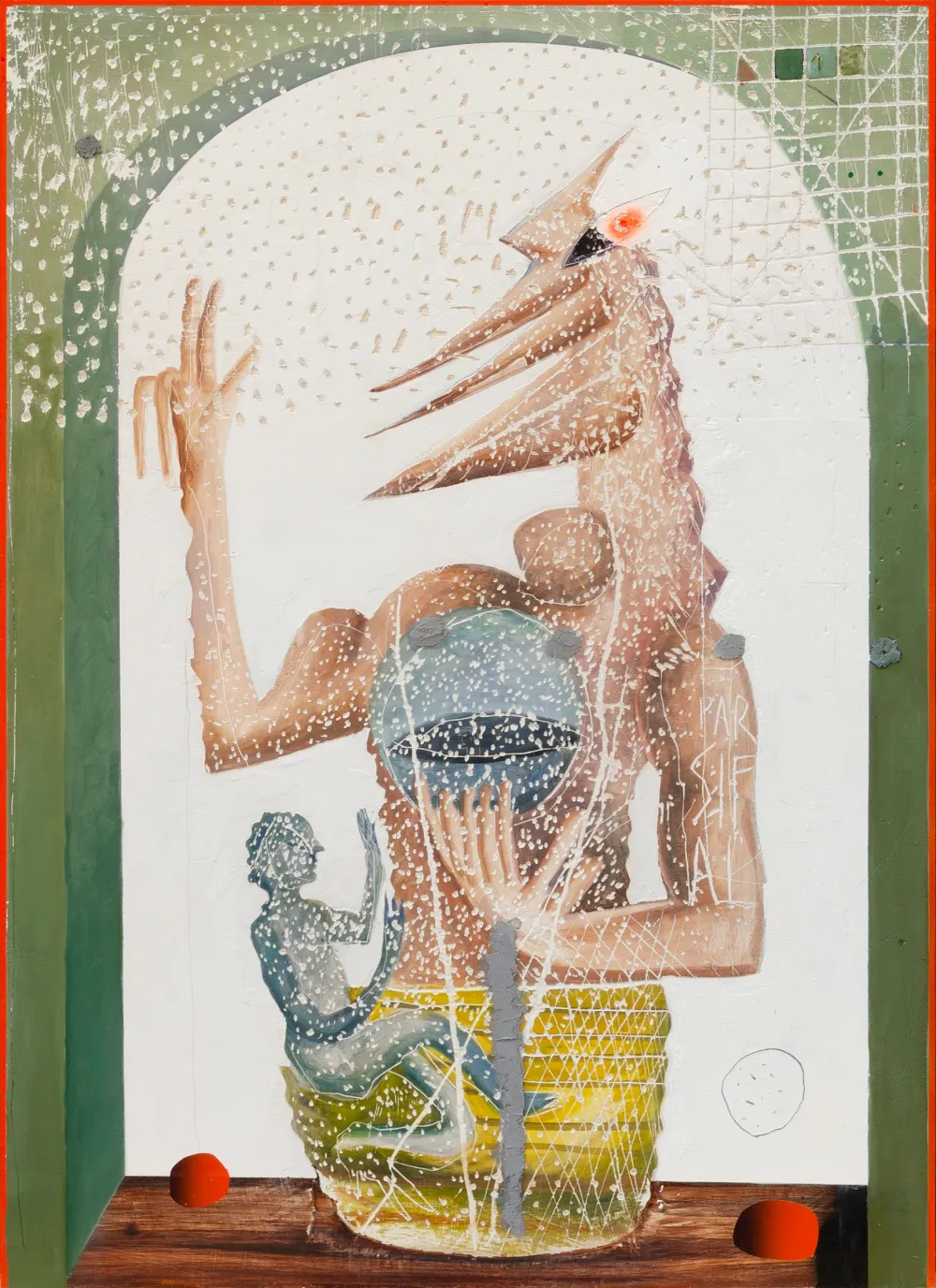
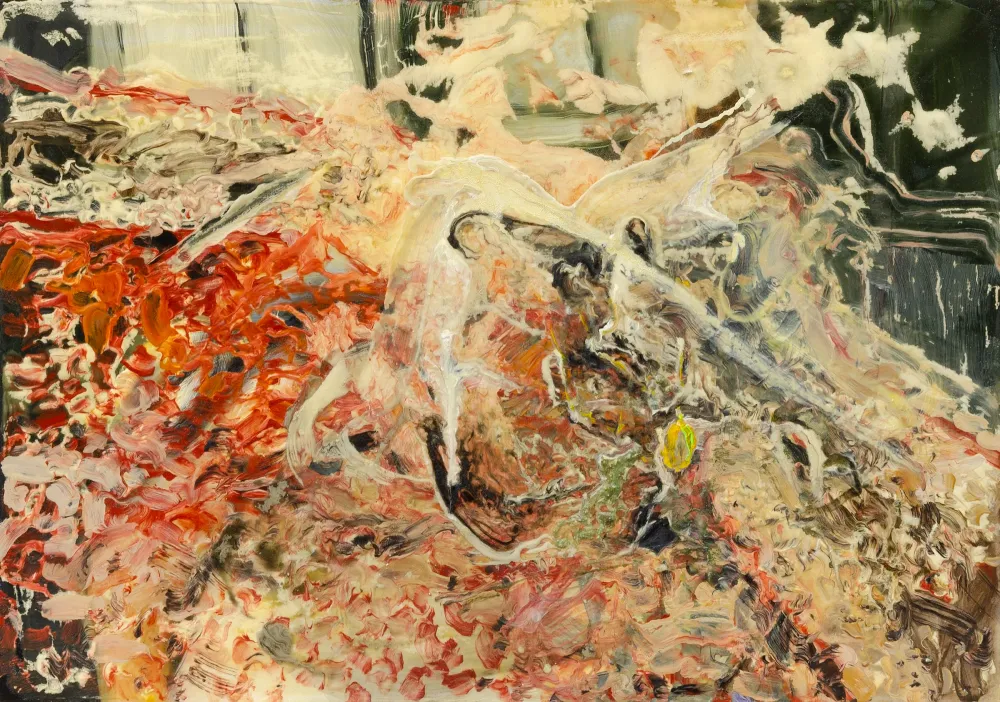
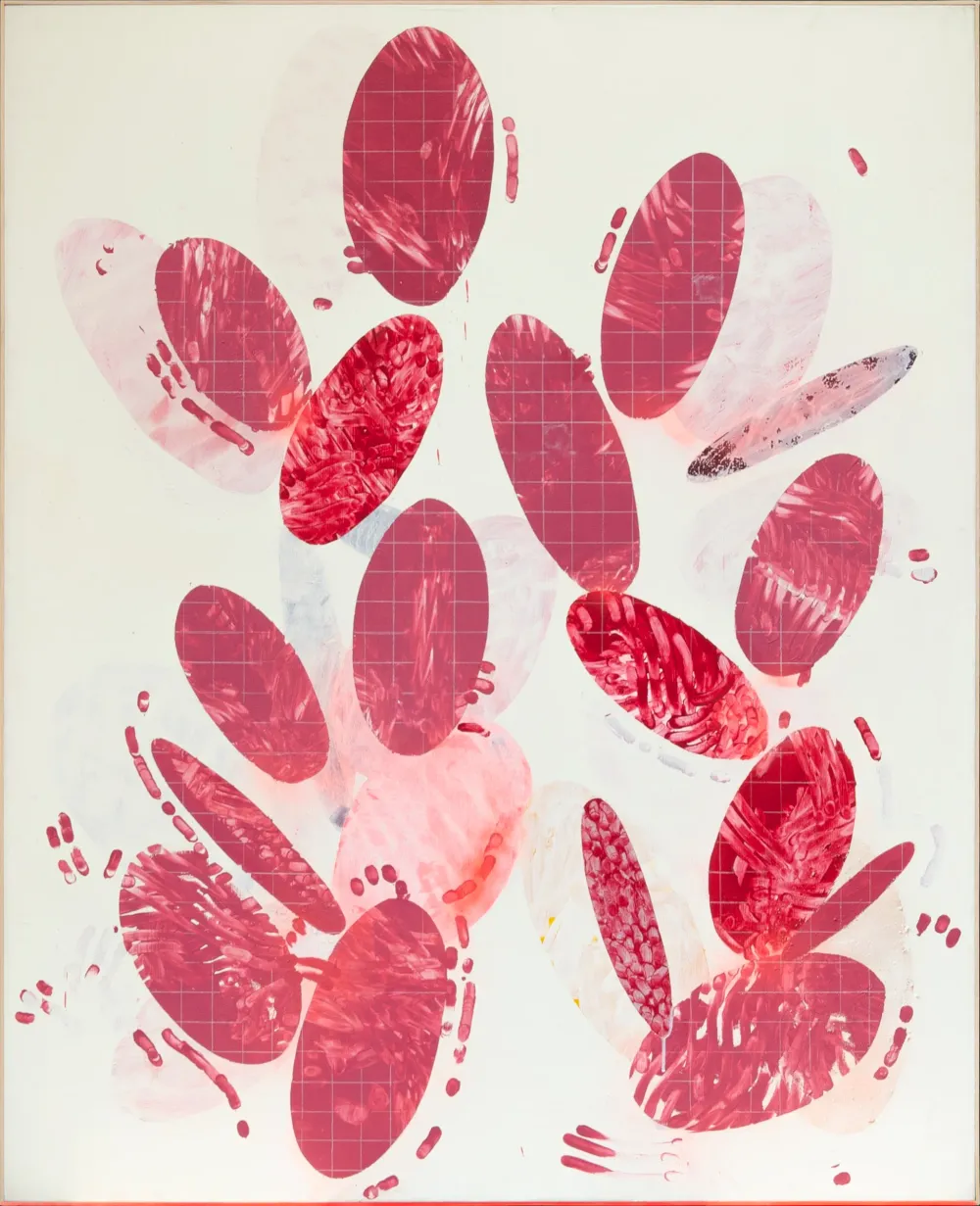
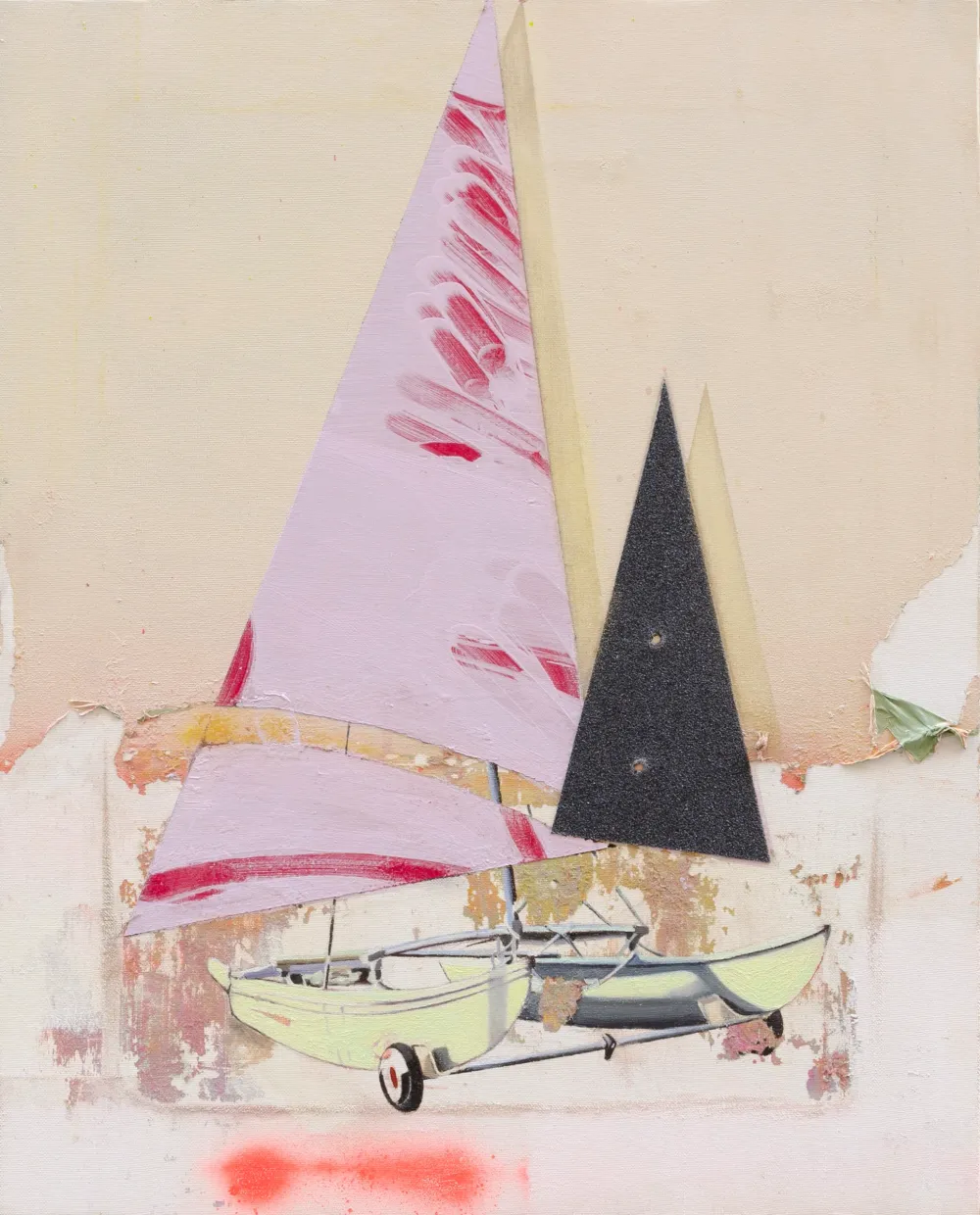
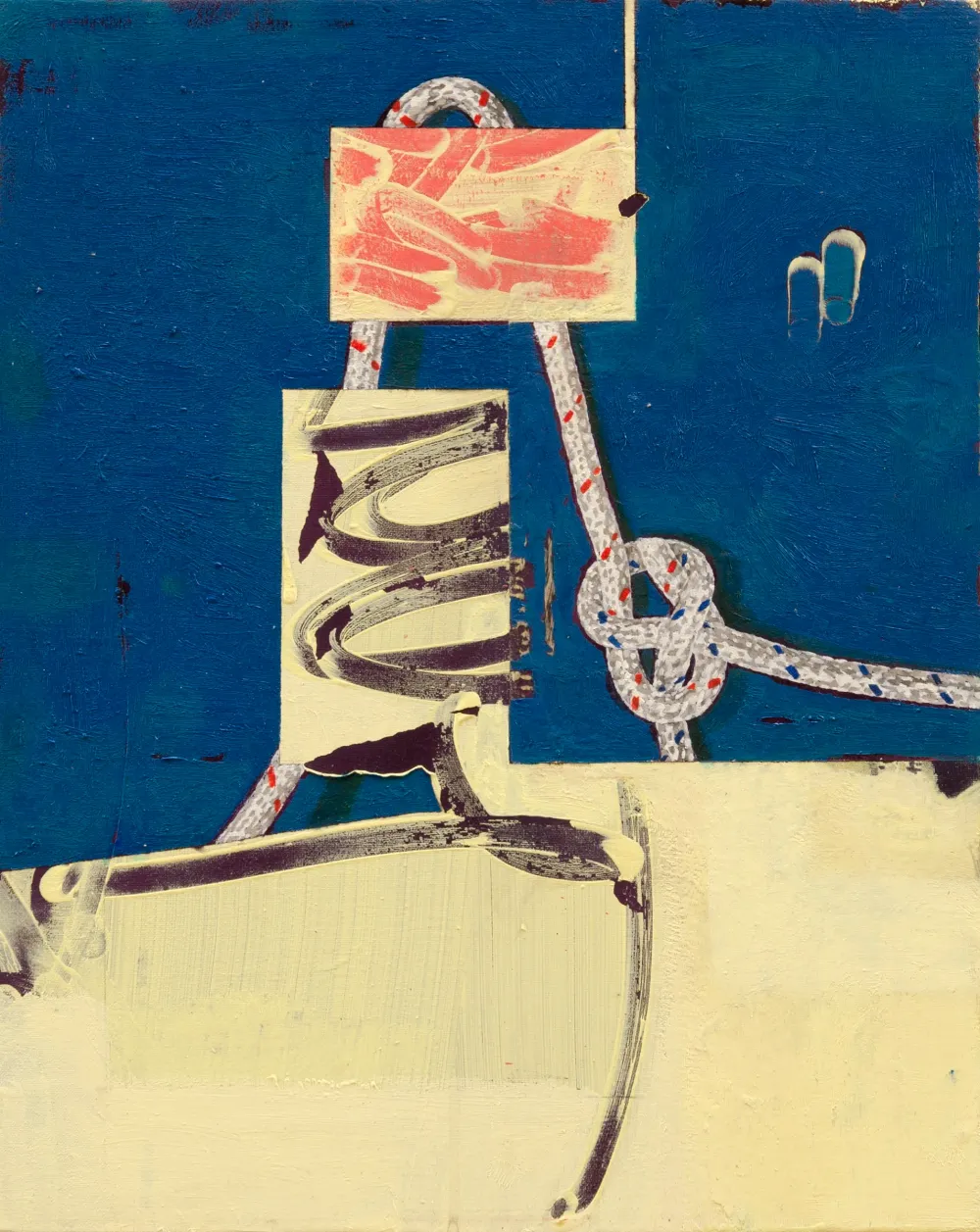
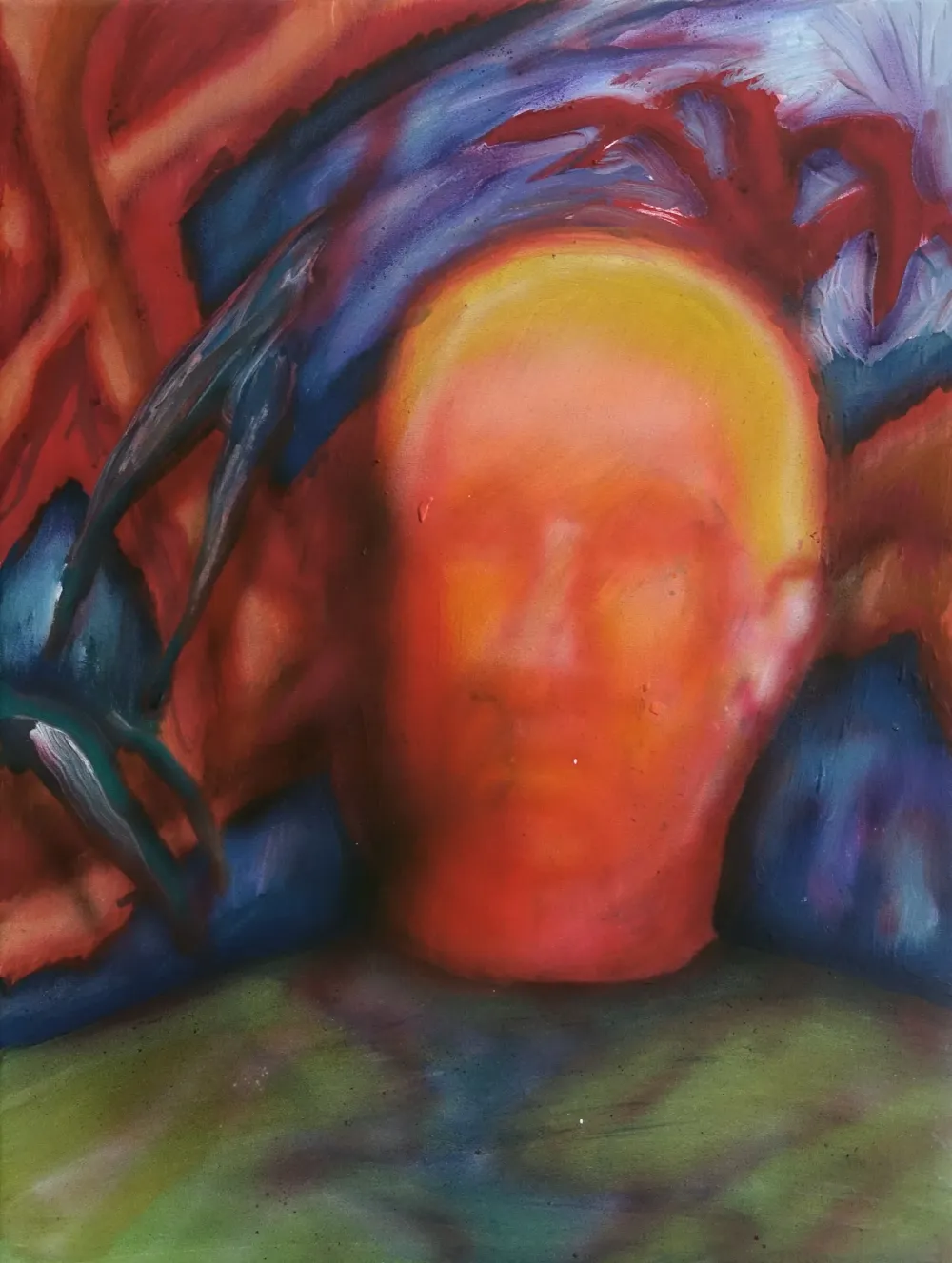
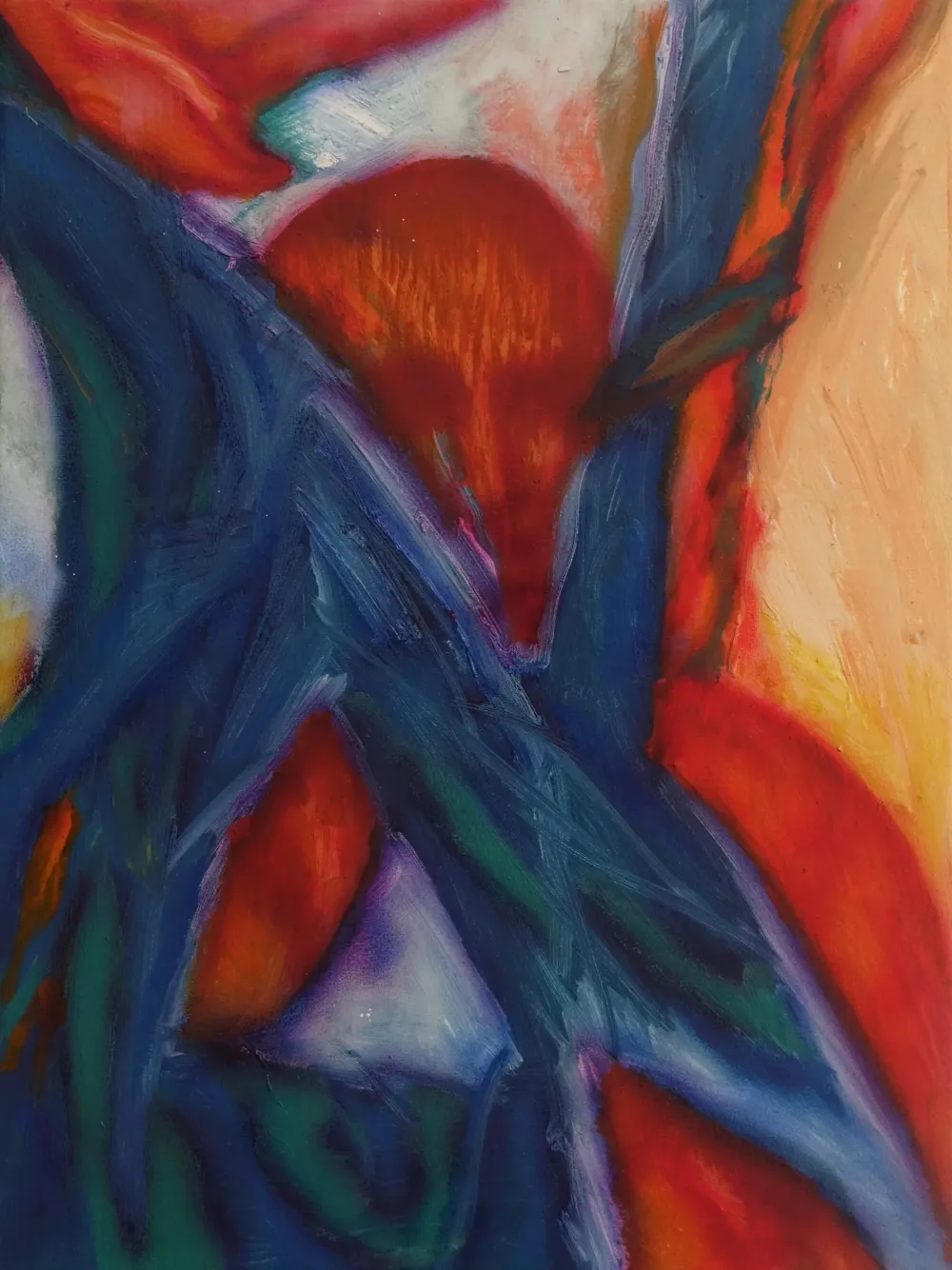
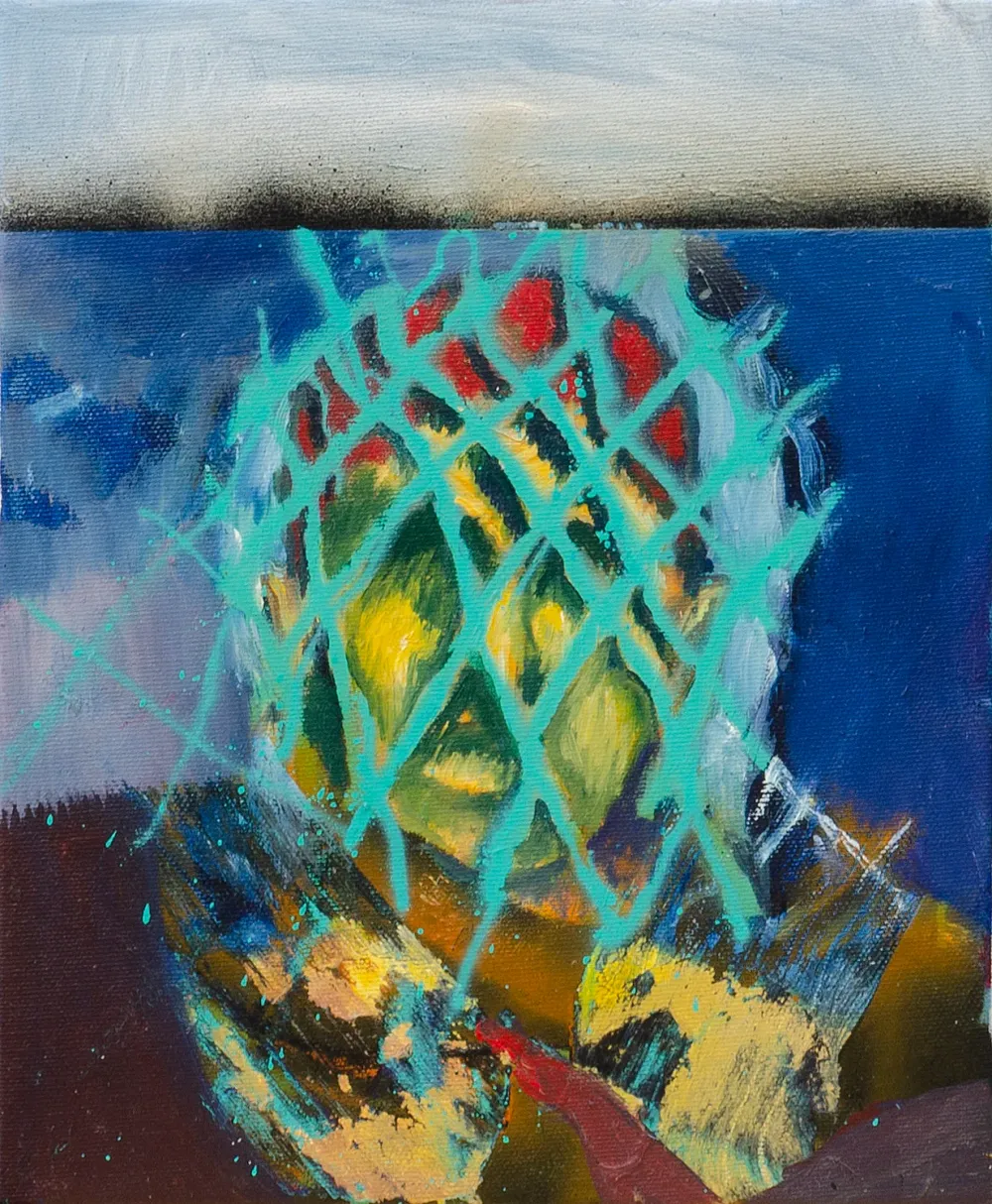
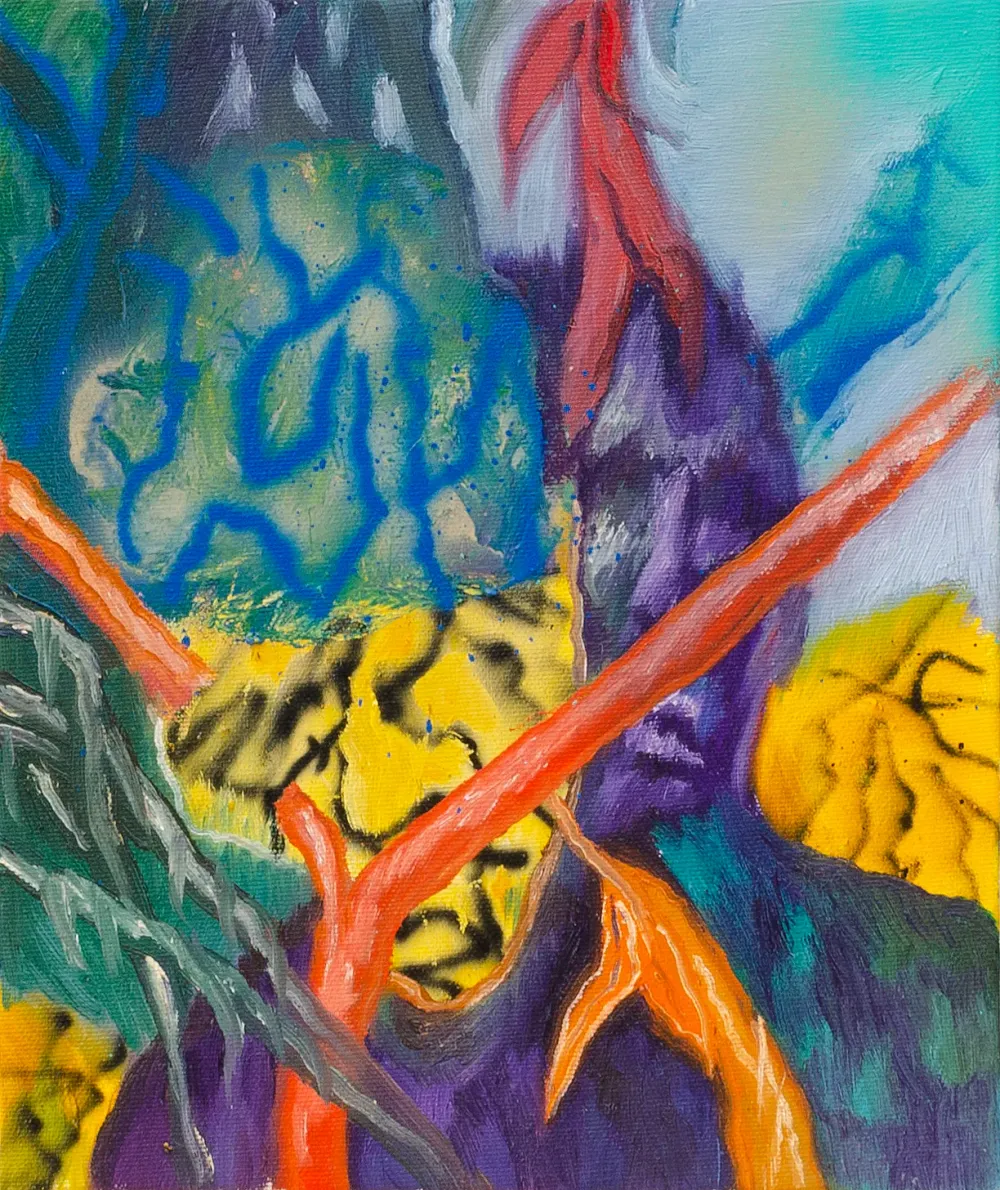
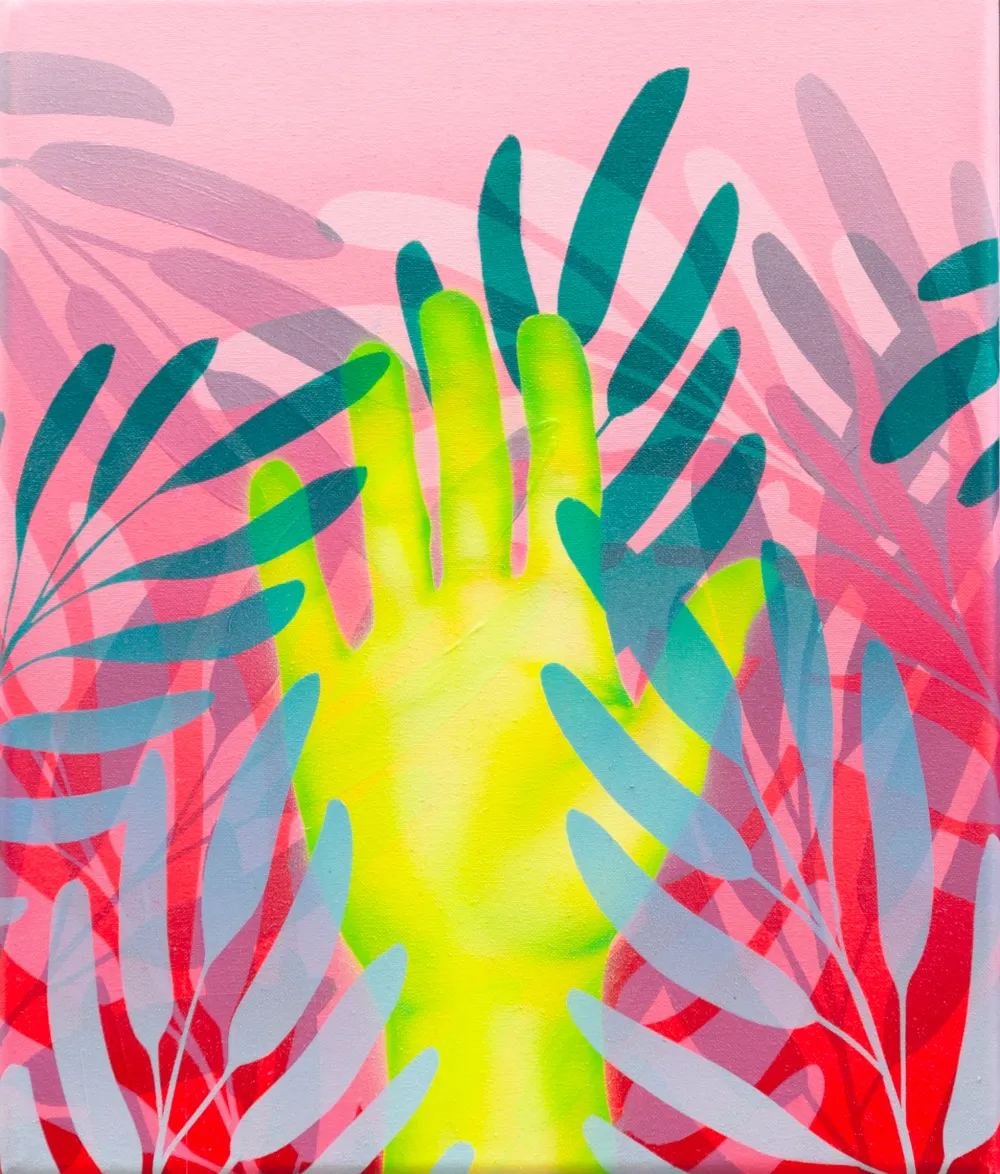
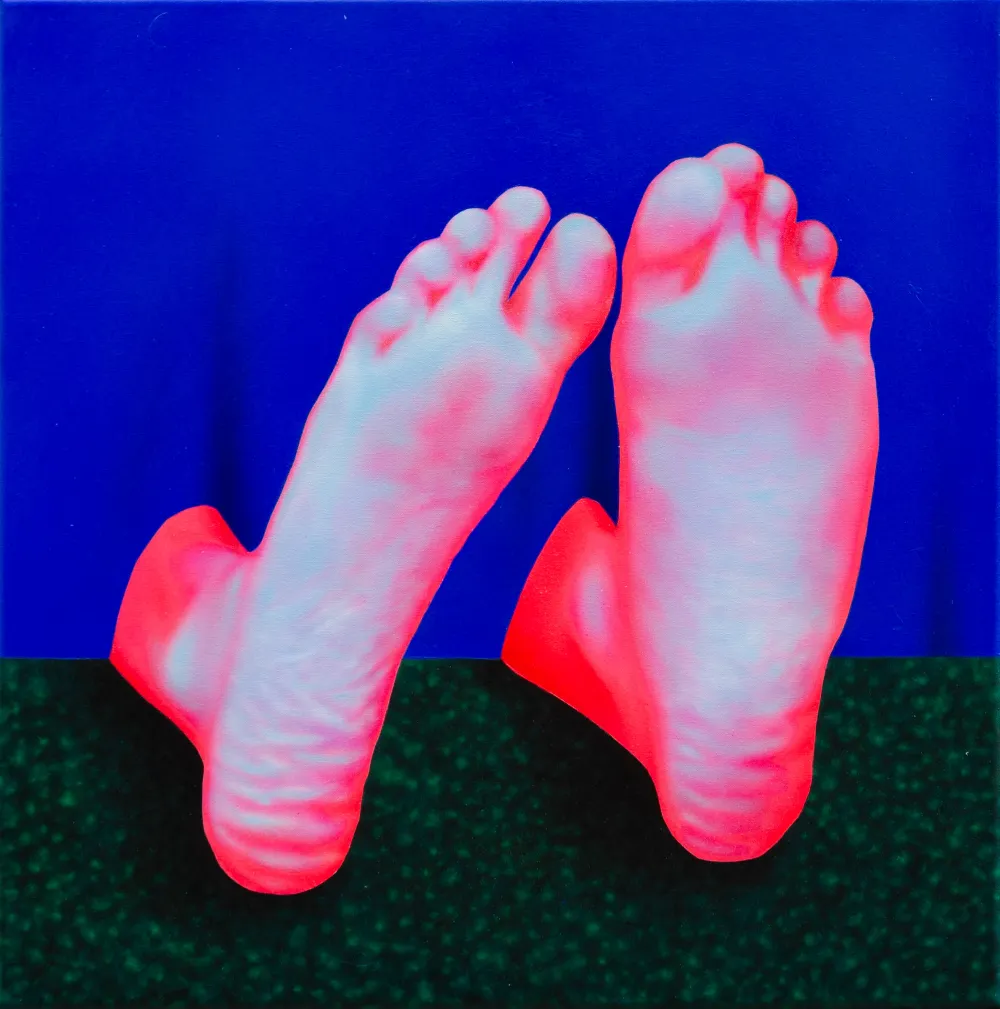
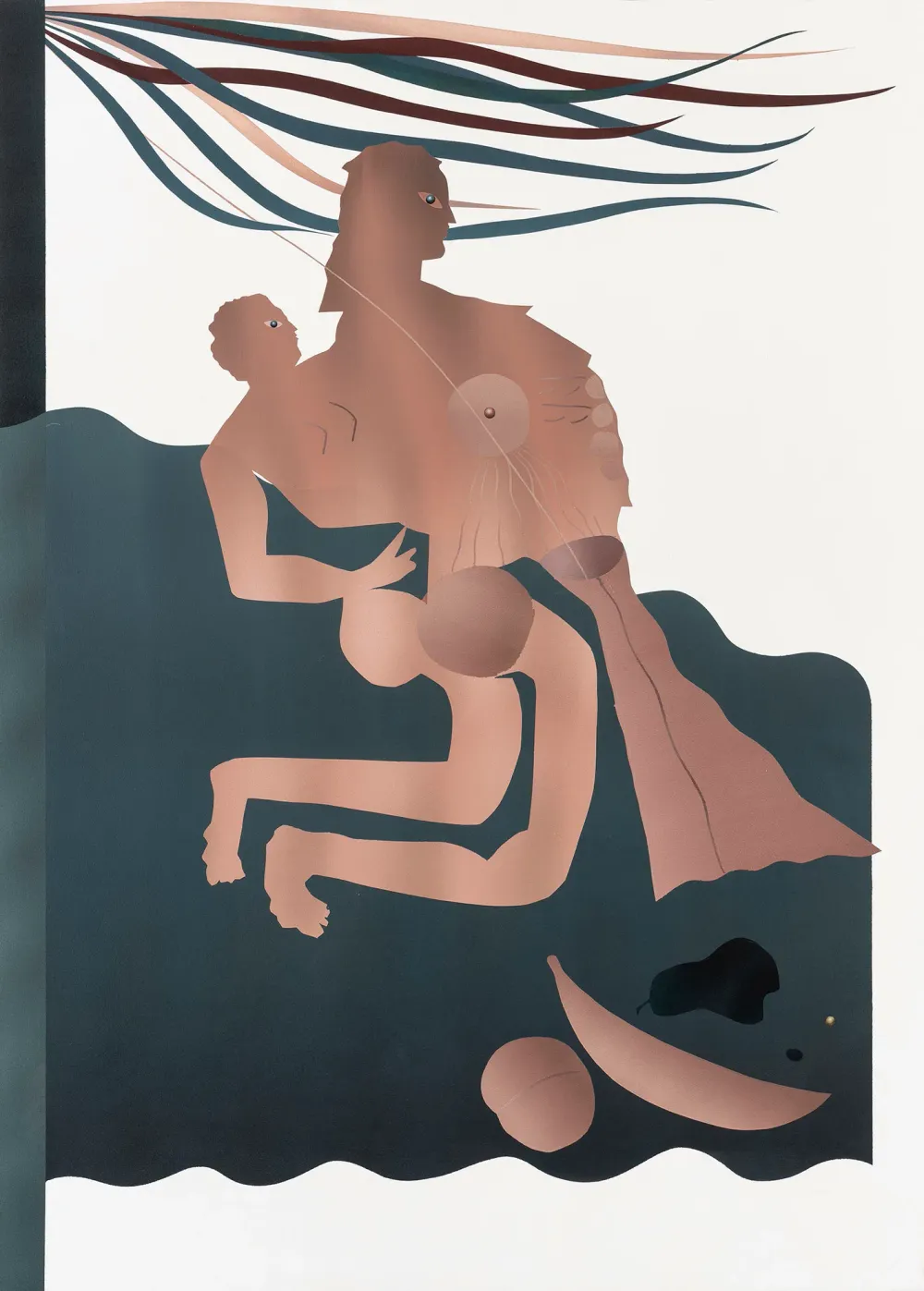
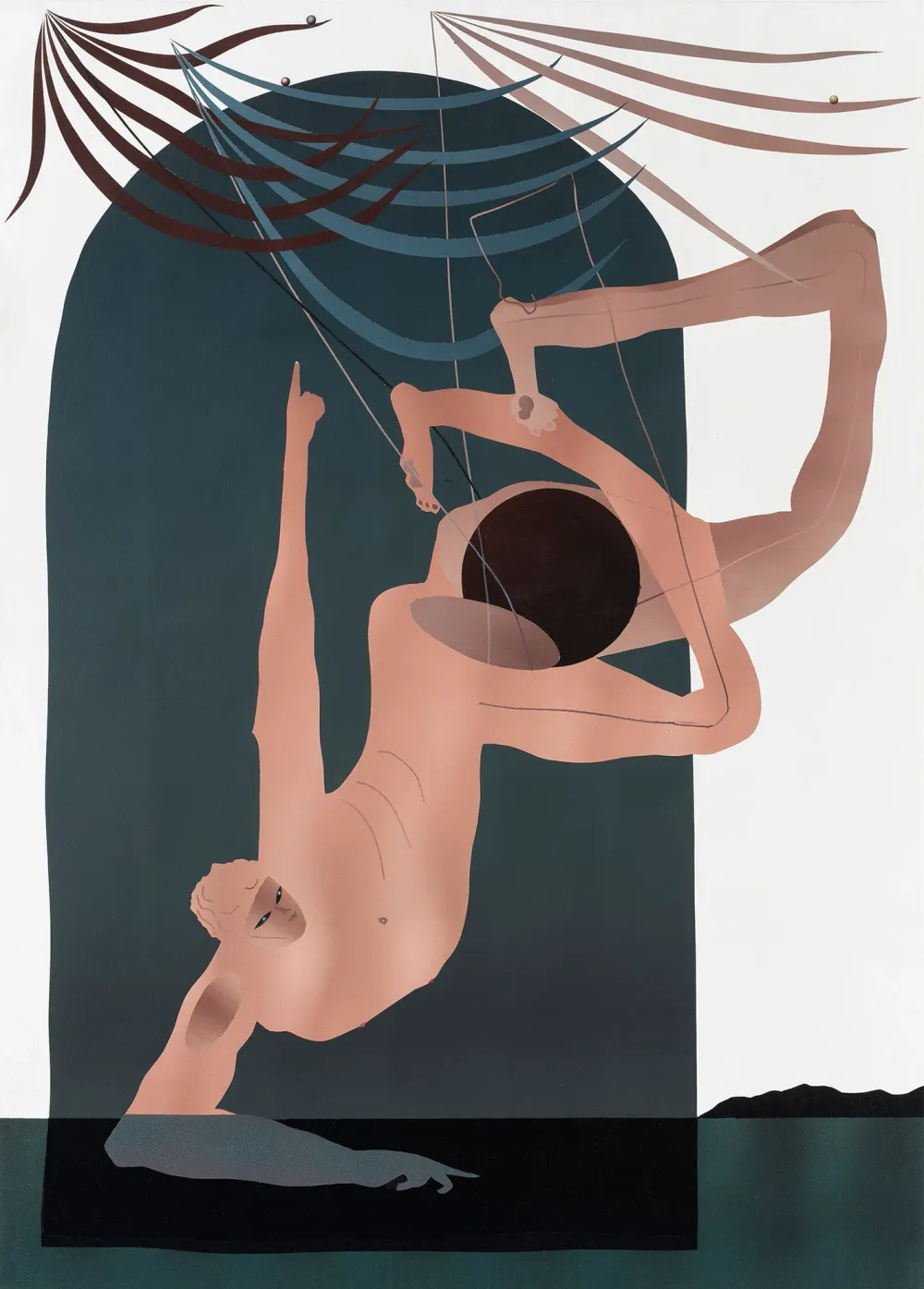
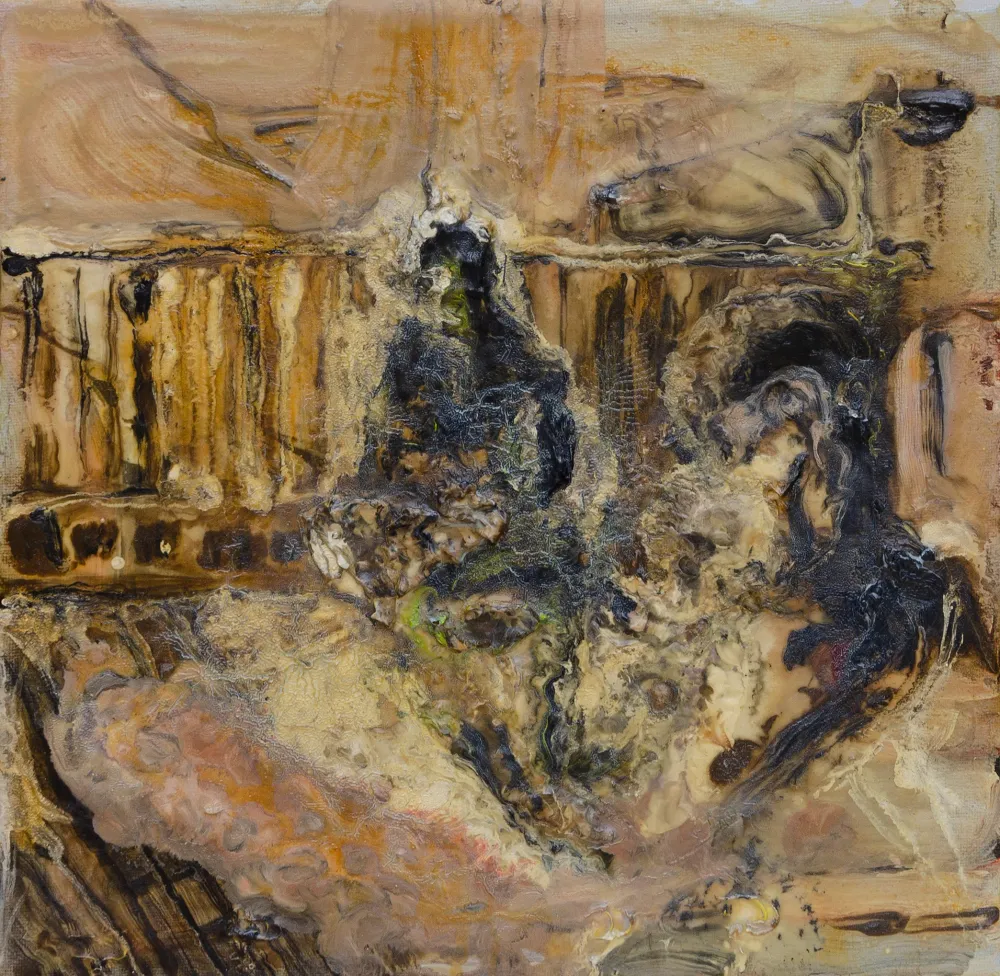
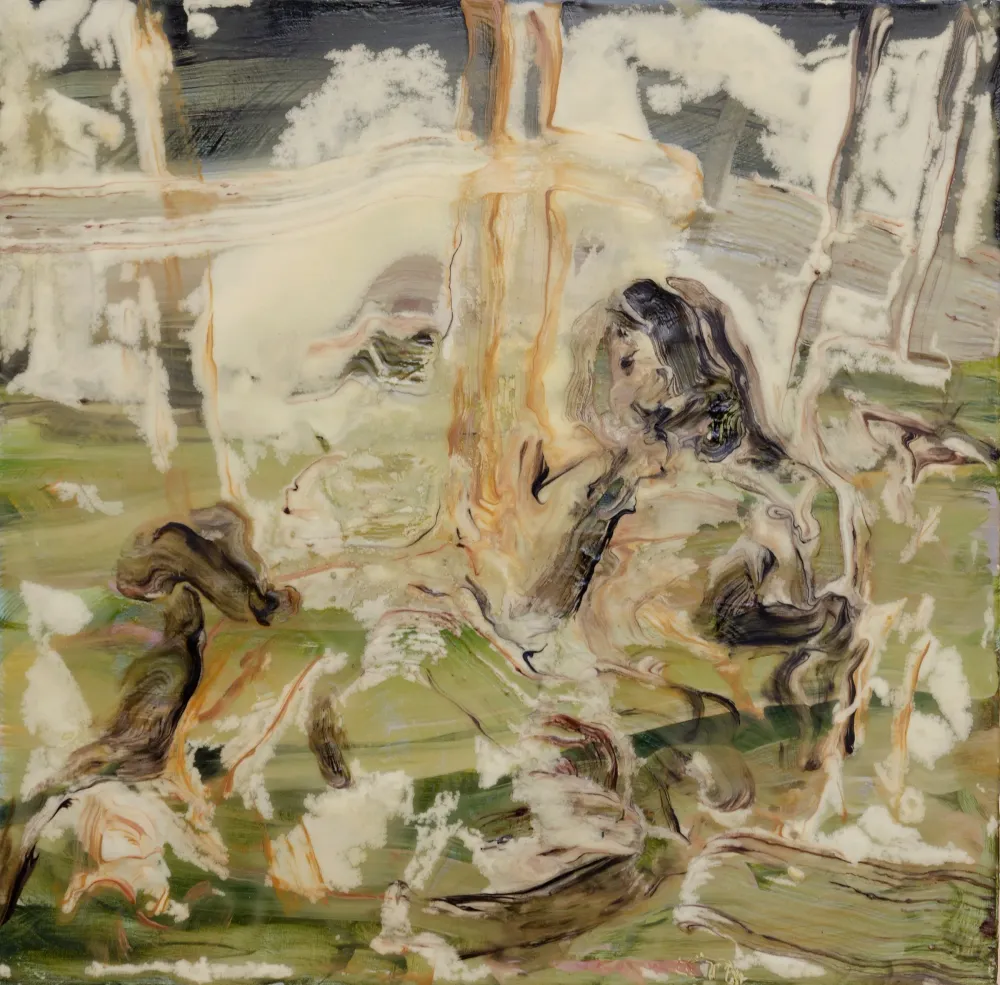
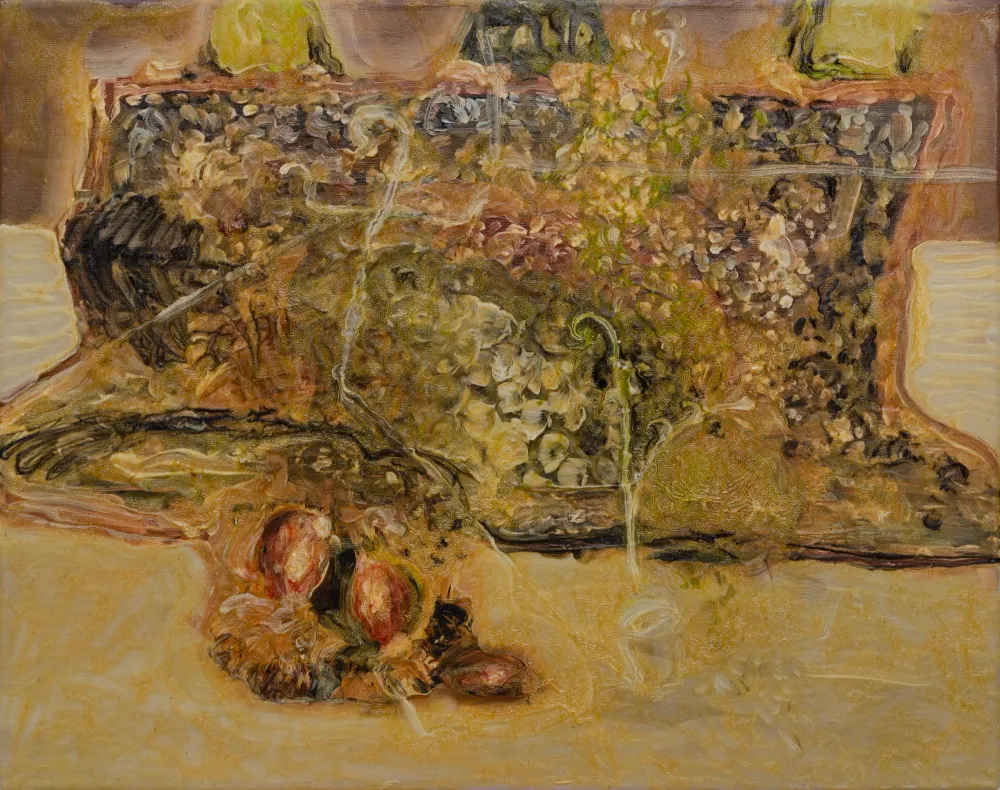
Mattia Barbieri (Brescia, 1985), on the other hand, creates paintings in which the formal and pictorial aspect regains centrality. The painting is built by the painter following a very complex and rich process. The surface becomes the battlefield in which graphic signs, engravings, figures and material details interact on a par with the actual pictorial composition. The visionary and almost alien subjects, although functional to enhancing the pictorial nature of the painting, do not play a secondary role: they are a recurring element through which the plastic elements of his painting are declined.
Artist page →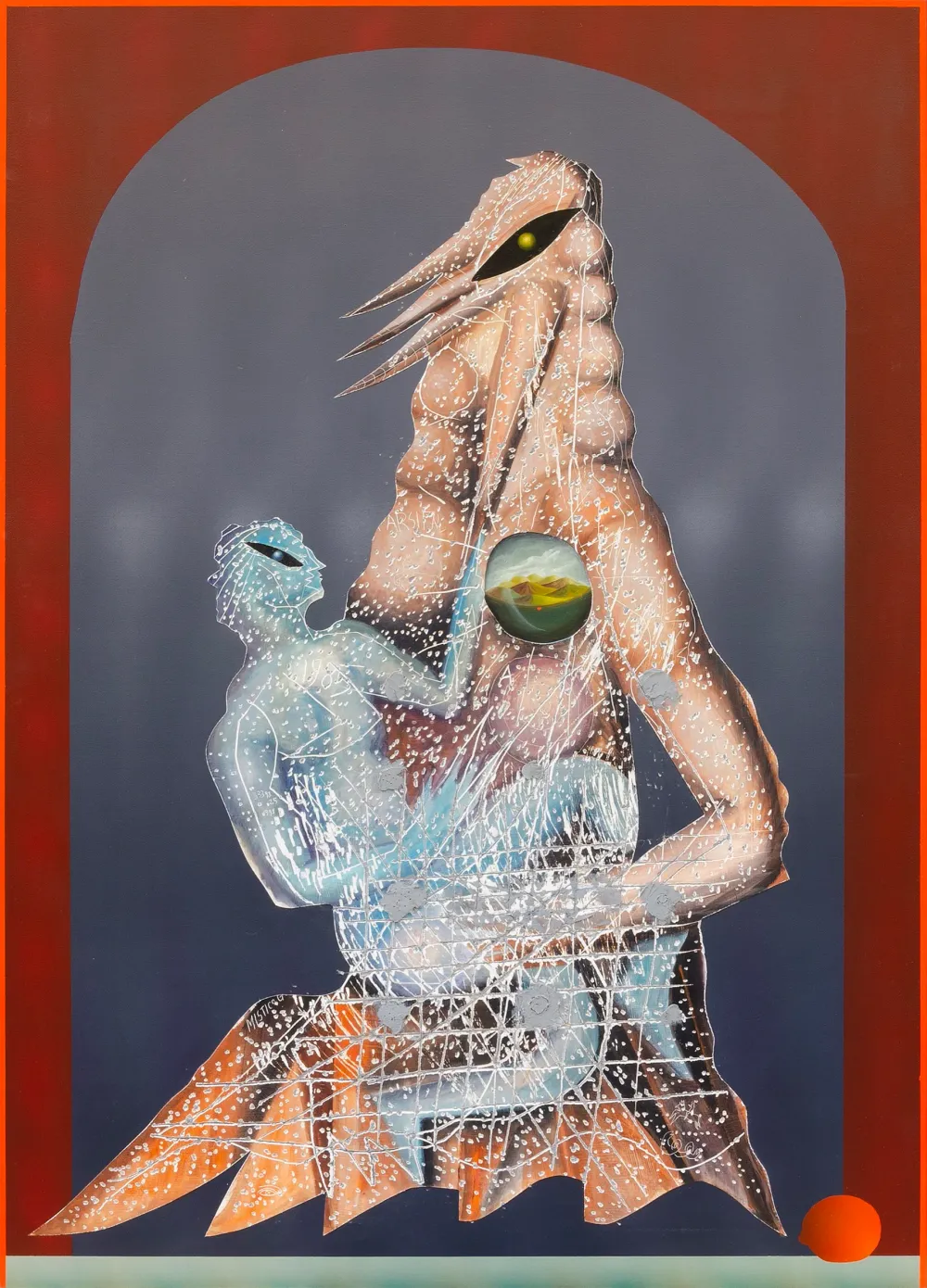
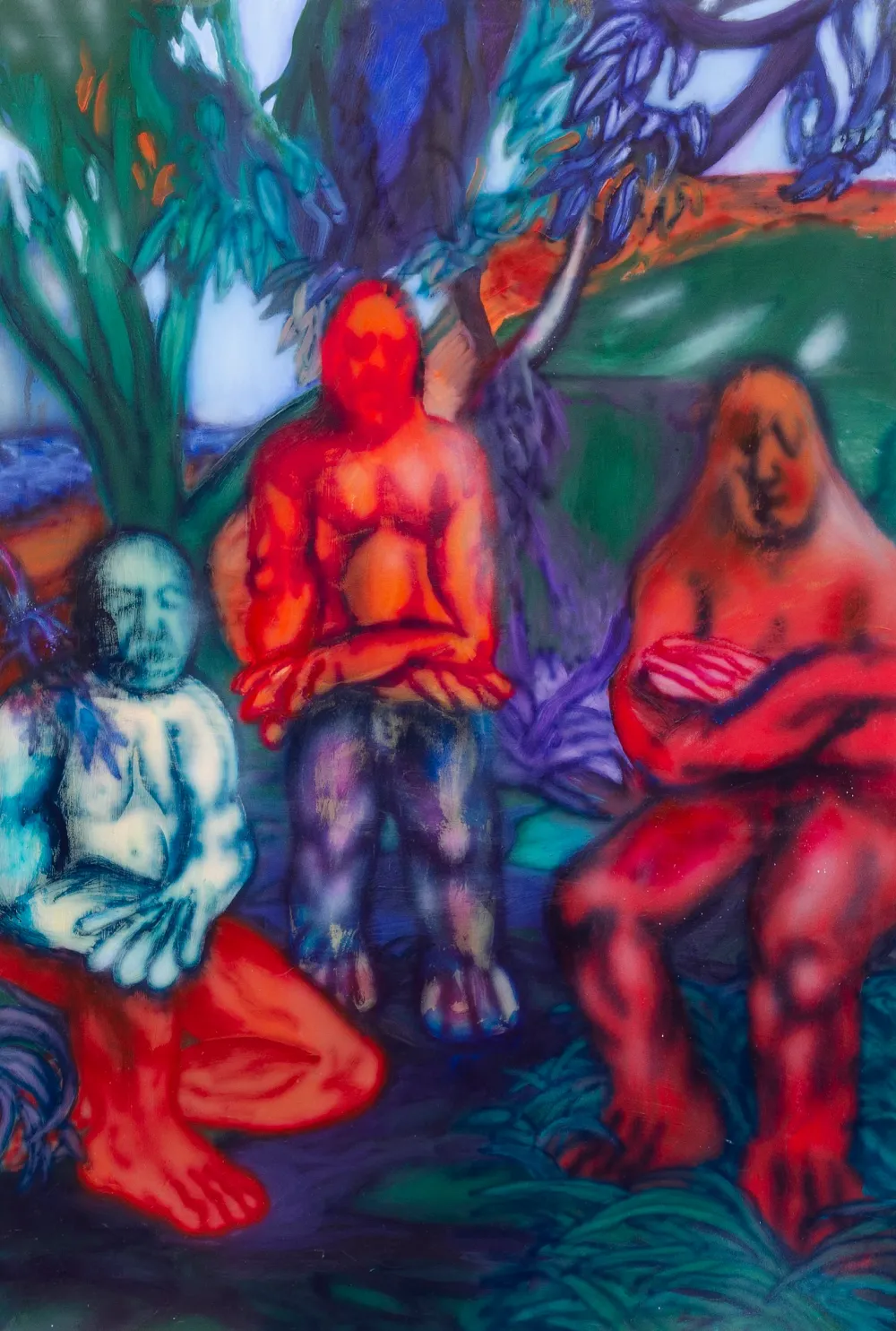
Enne Boi
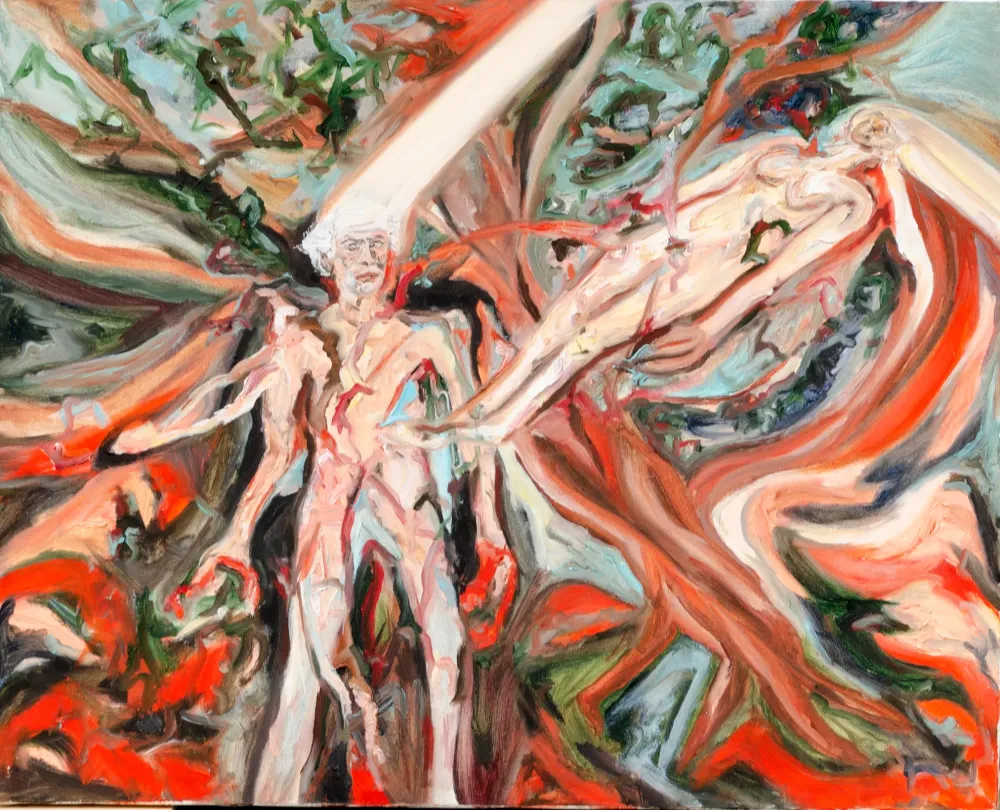
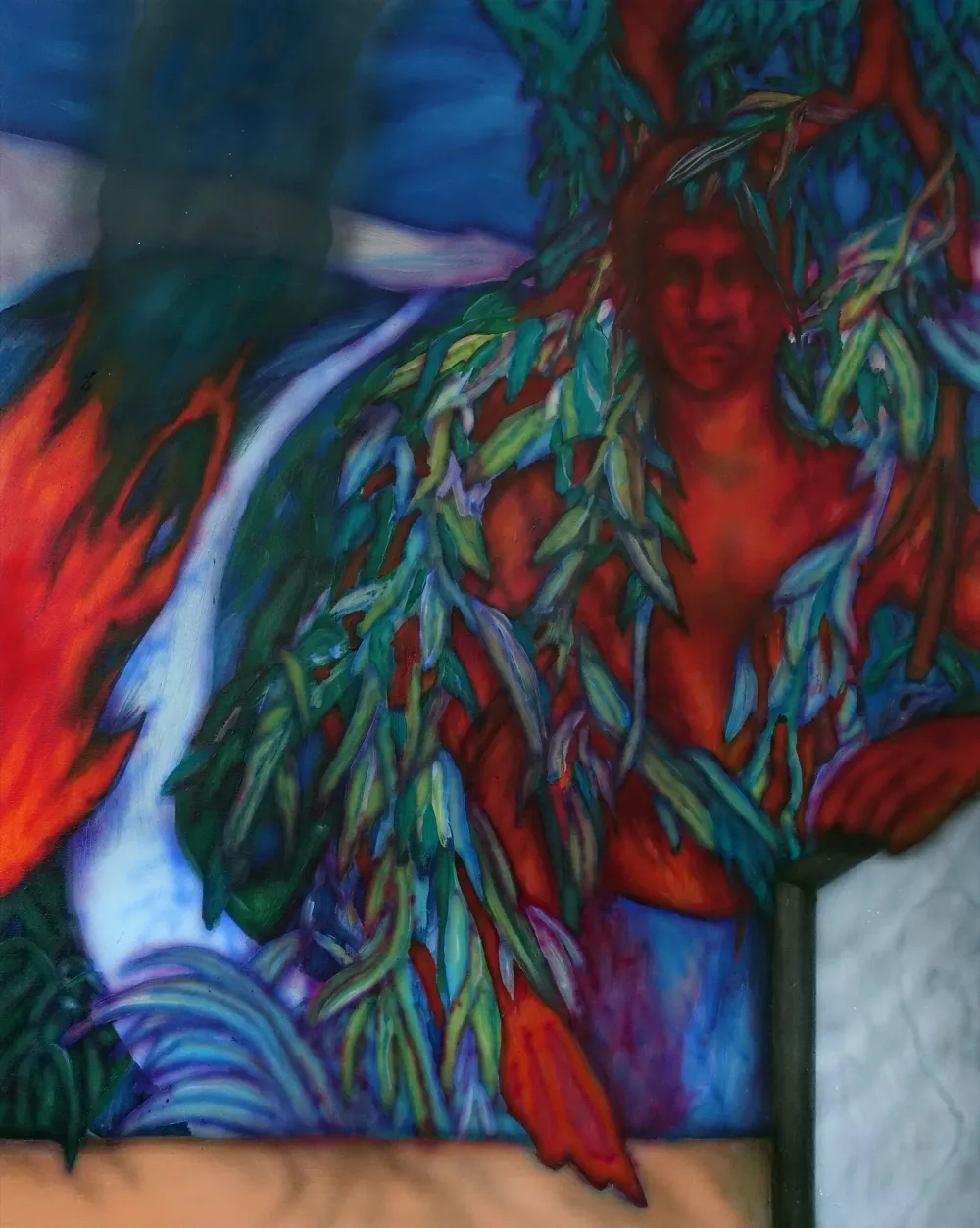
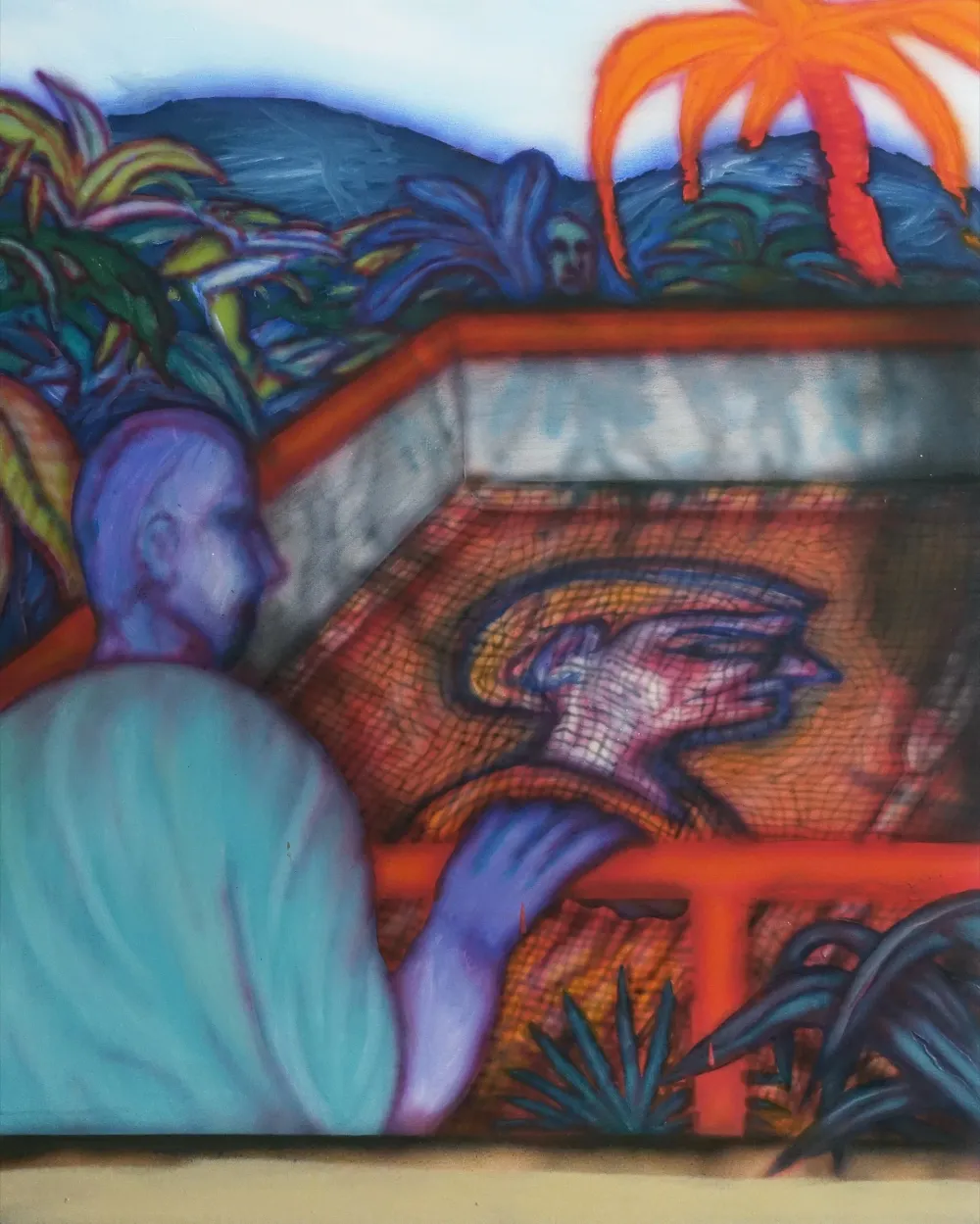
Enne Boi (Cantù, 1989) is instead the artist who, in this exhibition, most recalls a certain expressionism of the last century, especially of German and Northern European roots. Although altered and deformed, the figure is often at the centre of his paintings. But here too the formal aspect is the very purpose of the painting. Bodies and elements of nature are made wild and primitive through a painting that is at once violent and elegant, carrying within it a classical and ancient soul. The oil surface is often blurred by the use of airbrush and spray.
Artist page →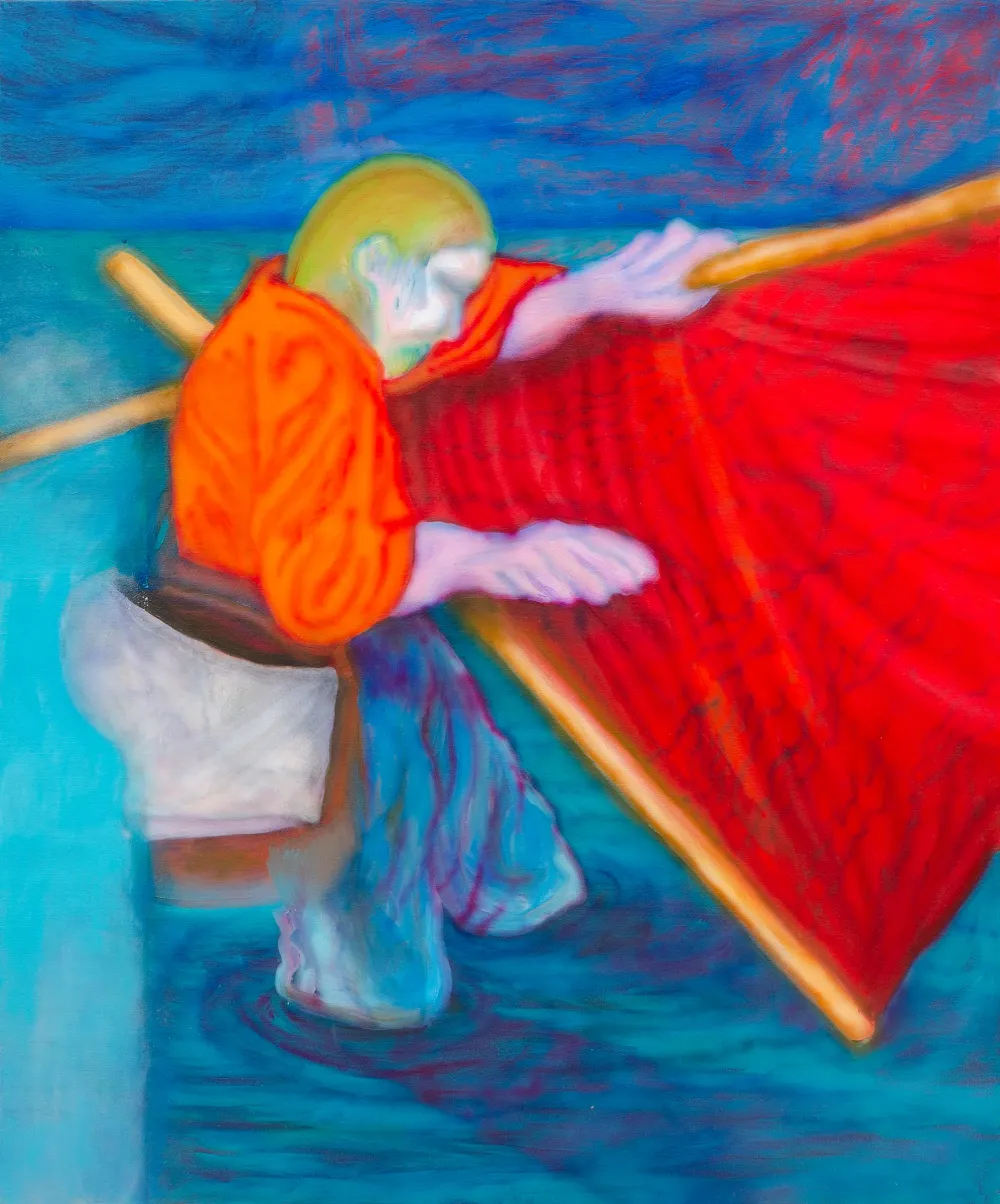
Anna Capolupo
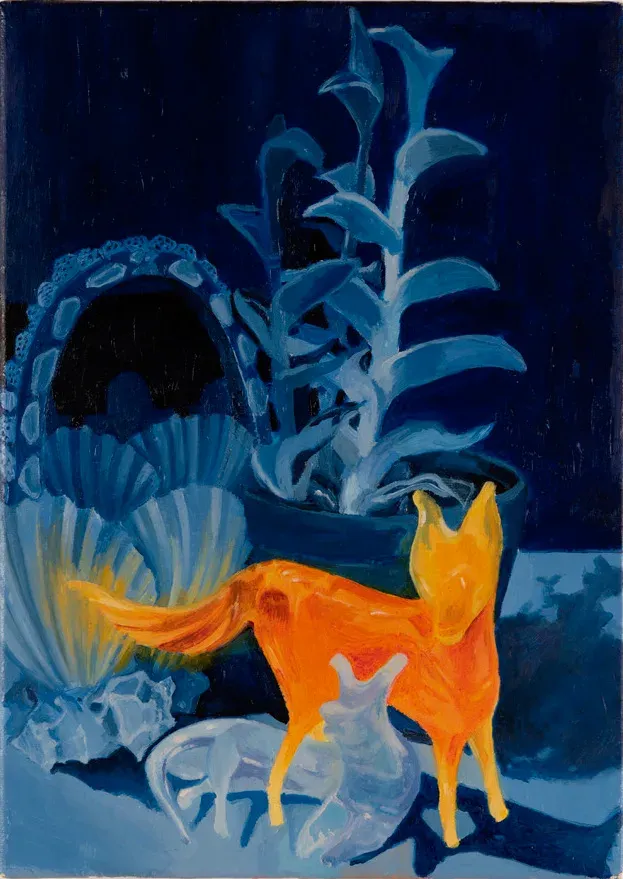
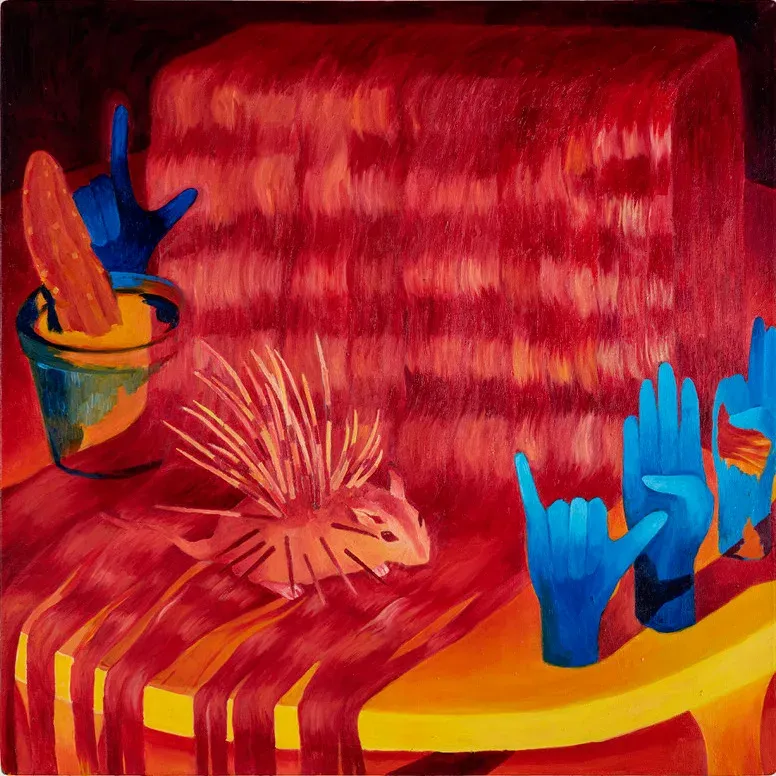
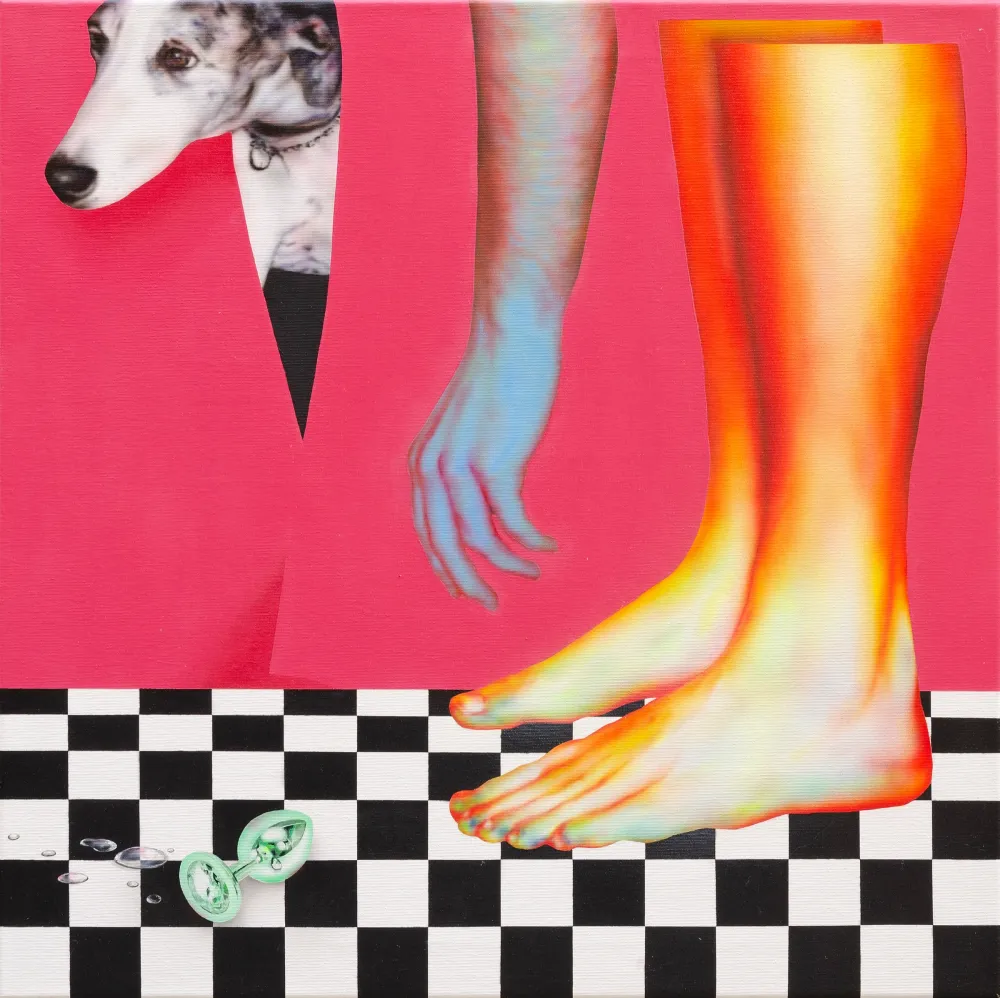
Anna Capolupo’s painting (Lamezia Terme, 1983) springs from a privileged relationship with the genre of still life. The horizontal plane, almost always present in her paintings, becomes the stage of a calm surreal theatre made up of elements of everyday life, anatomical details and magical narrative incidents. Often there is a dominant colour in which the picture is immersed, from which a few elements skilfully stand apart, underlined precisely by their difference, thus obtaining a disturbing and alienating effect.
Artist page →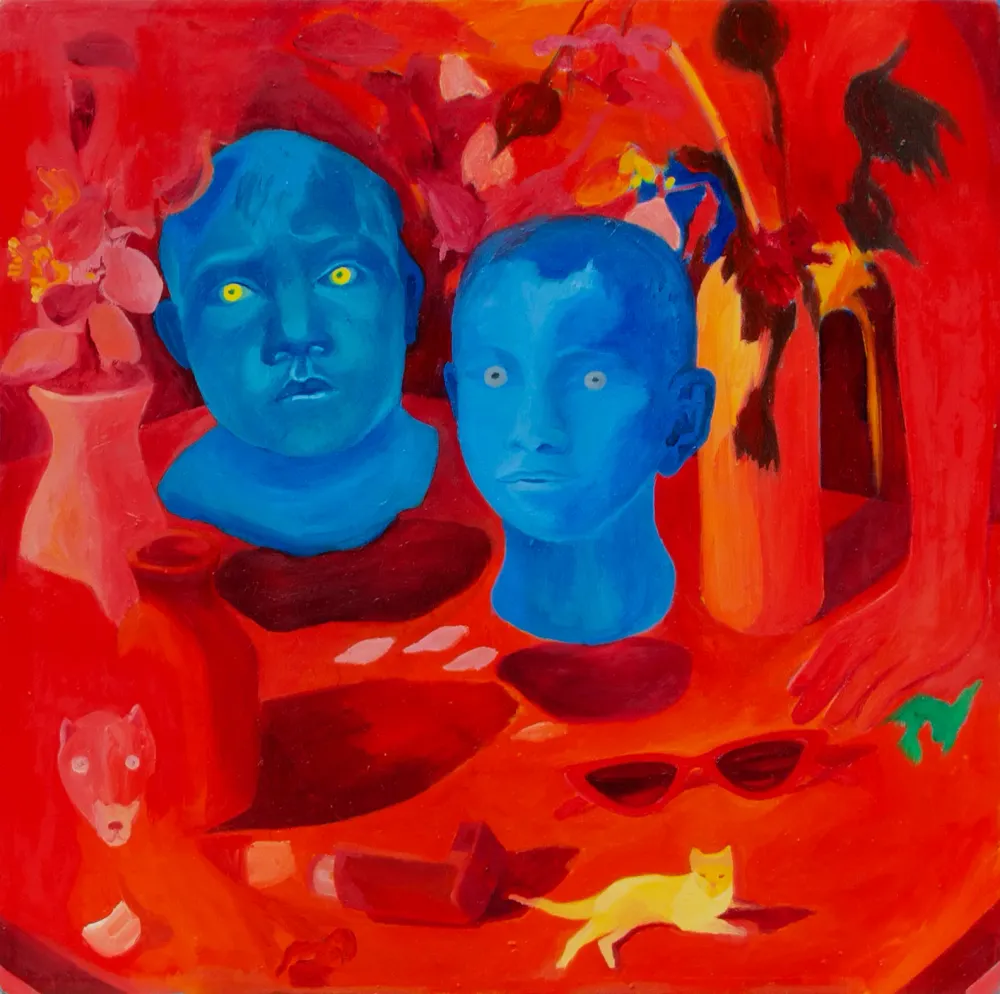
Silvia Capuzzo
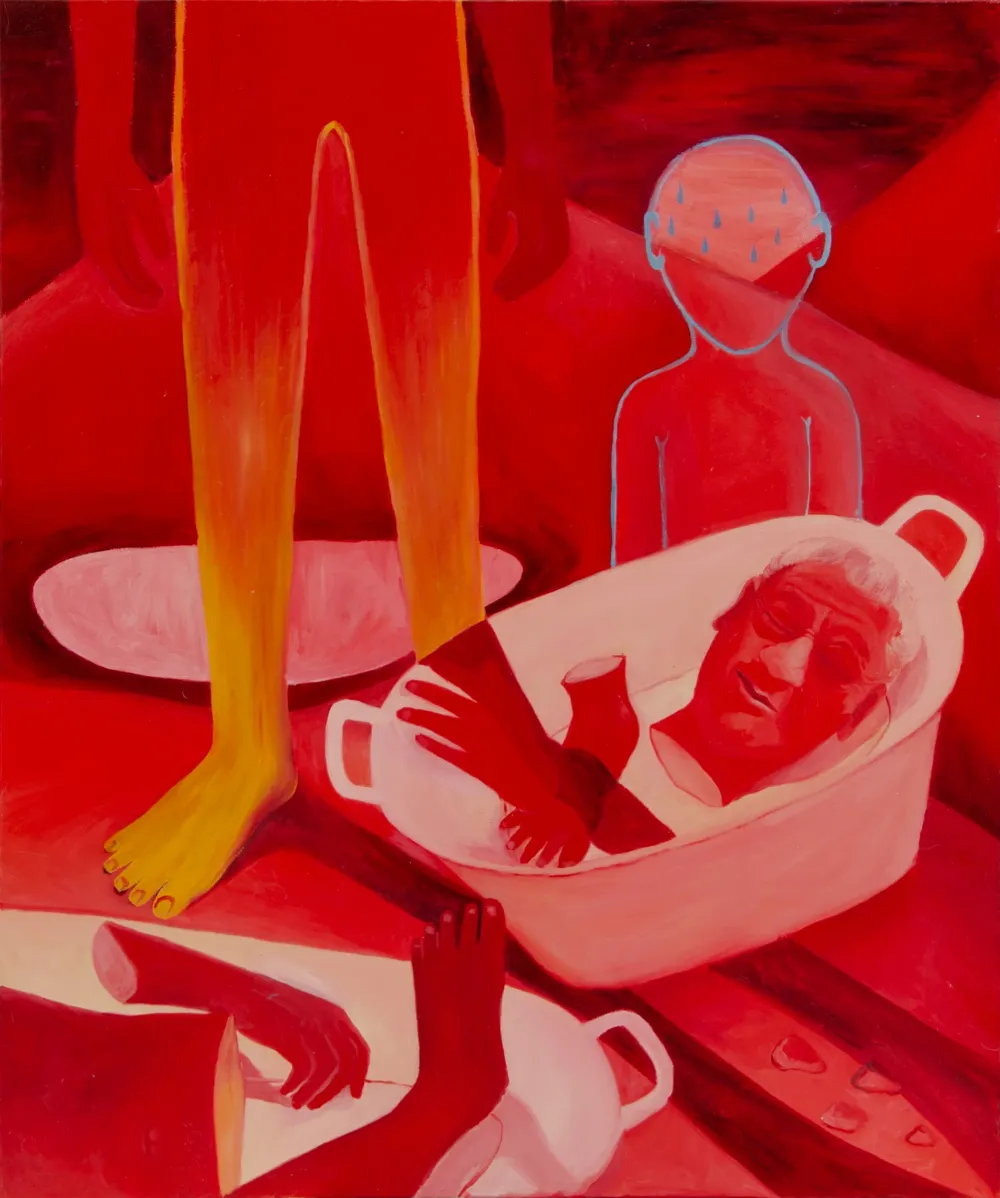
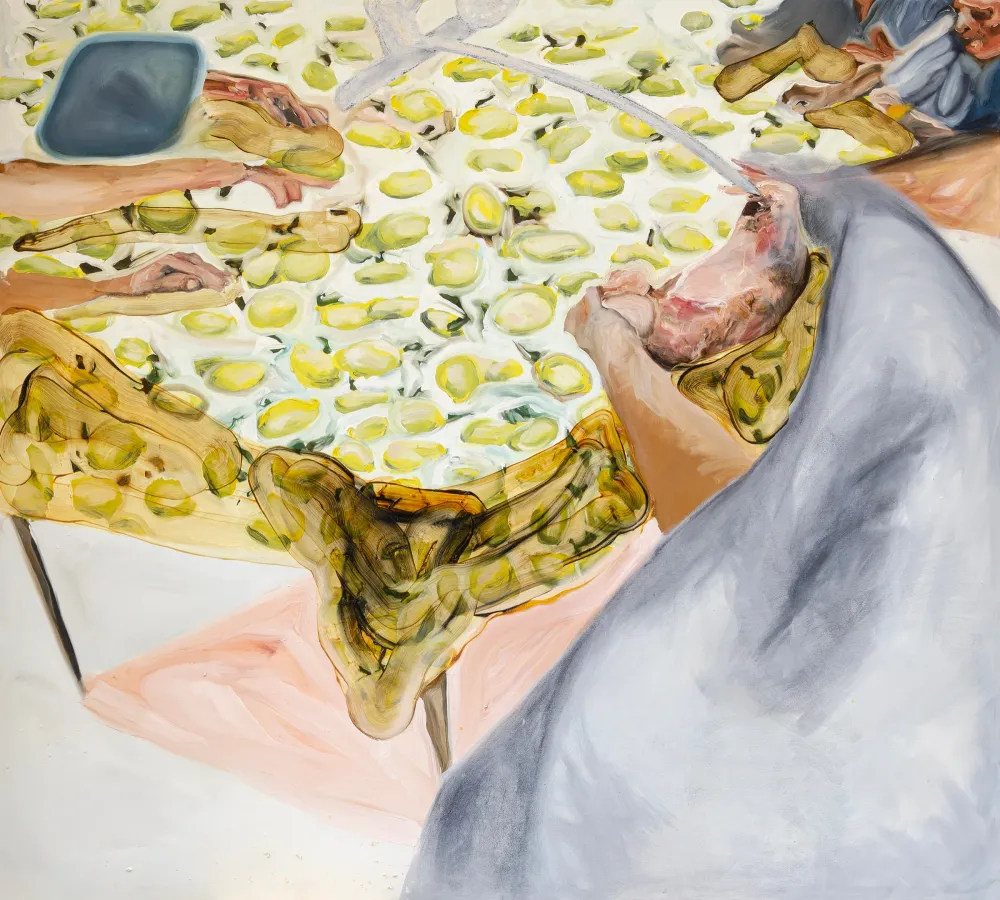
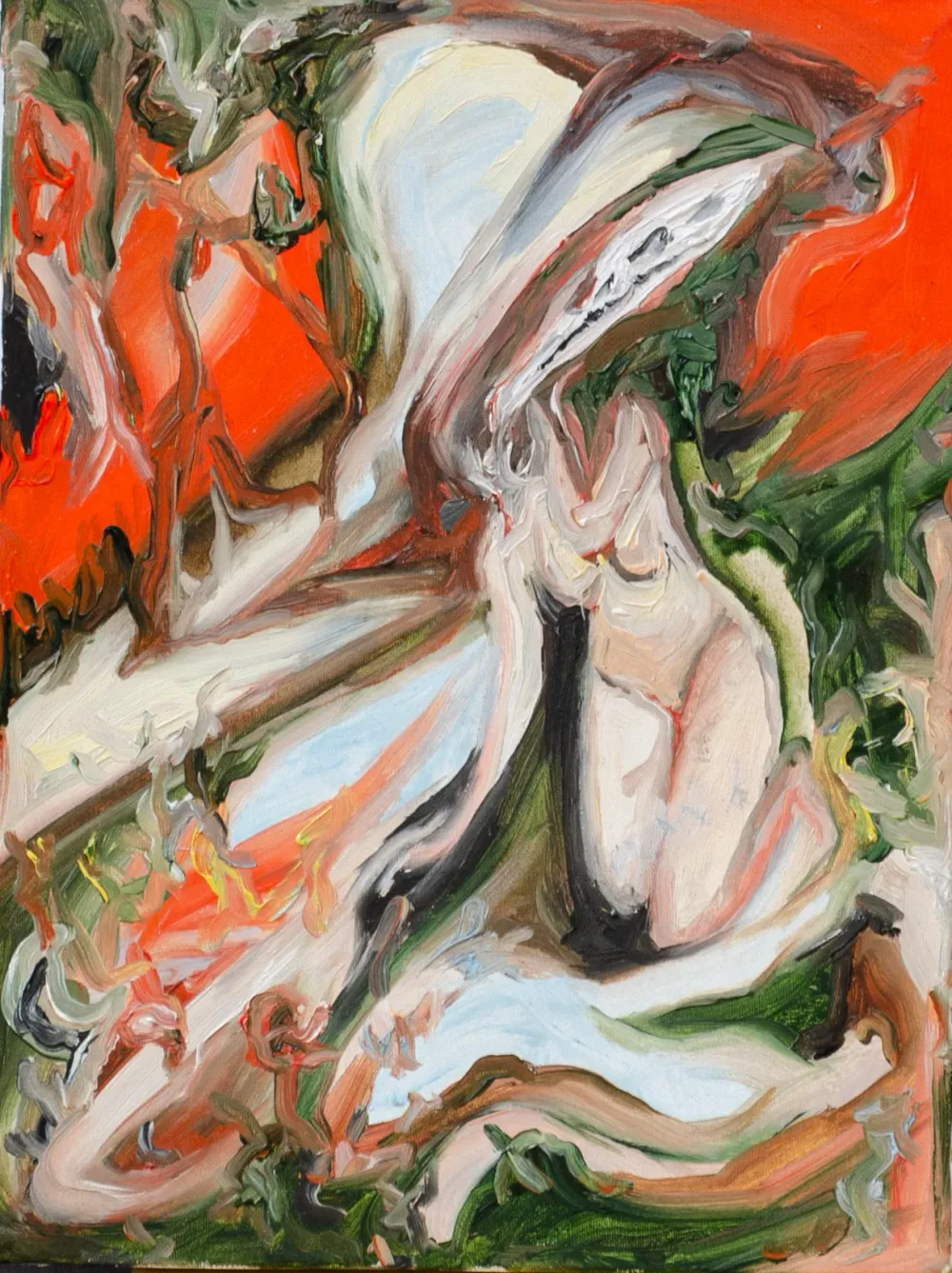
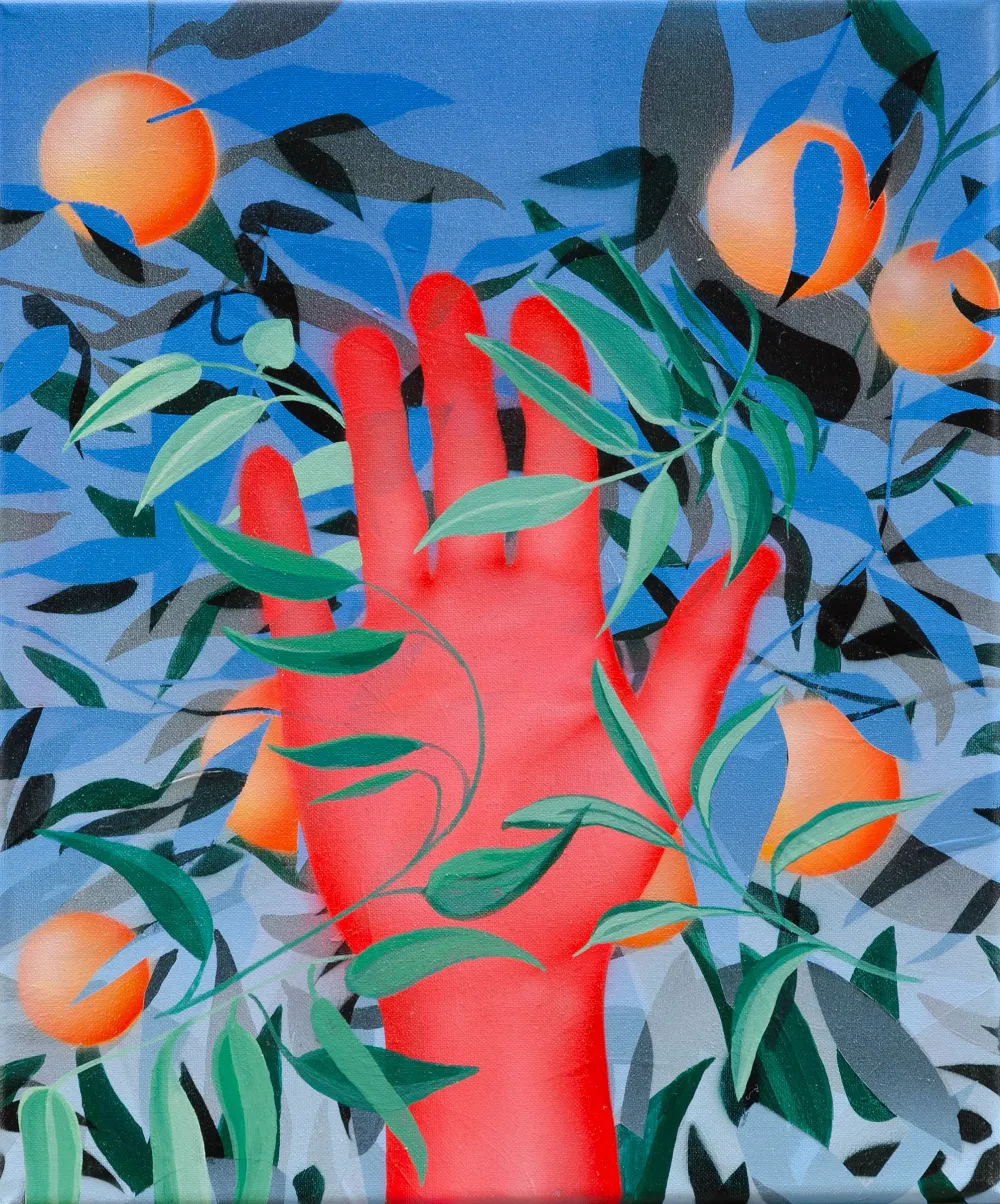
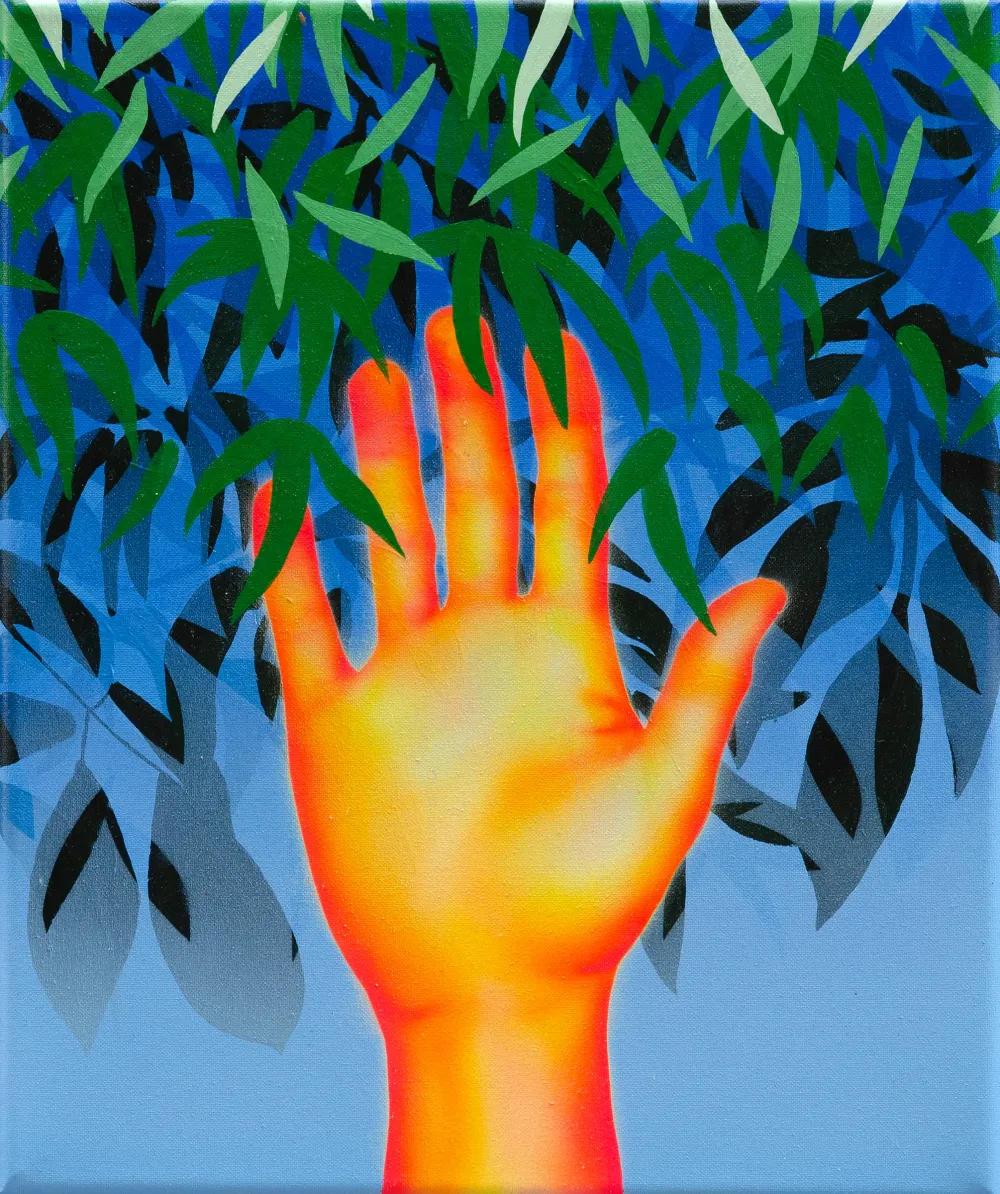
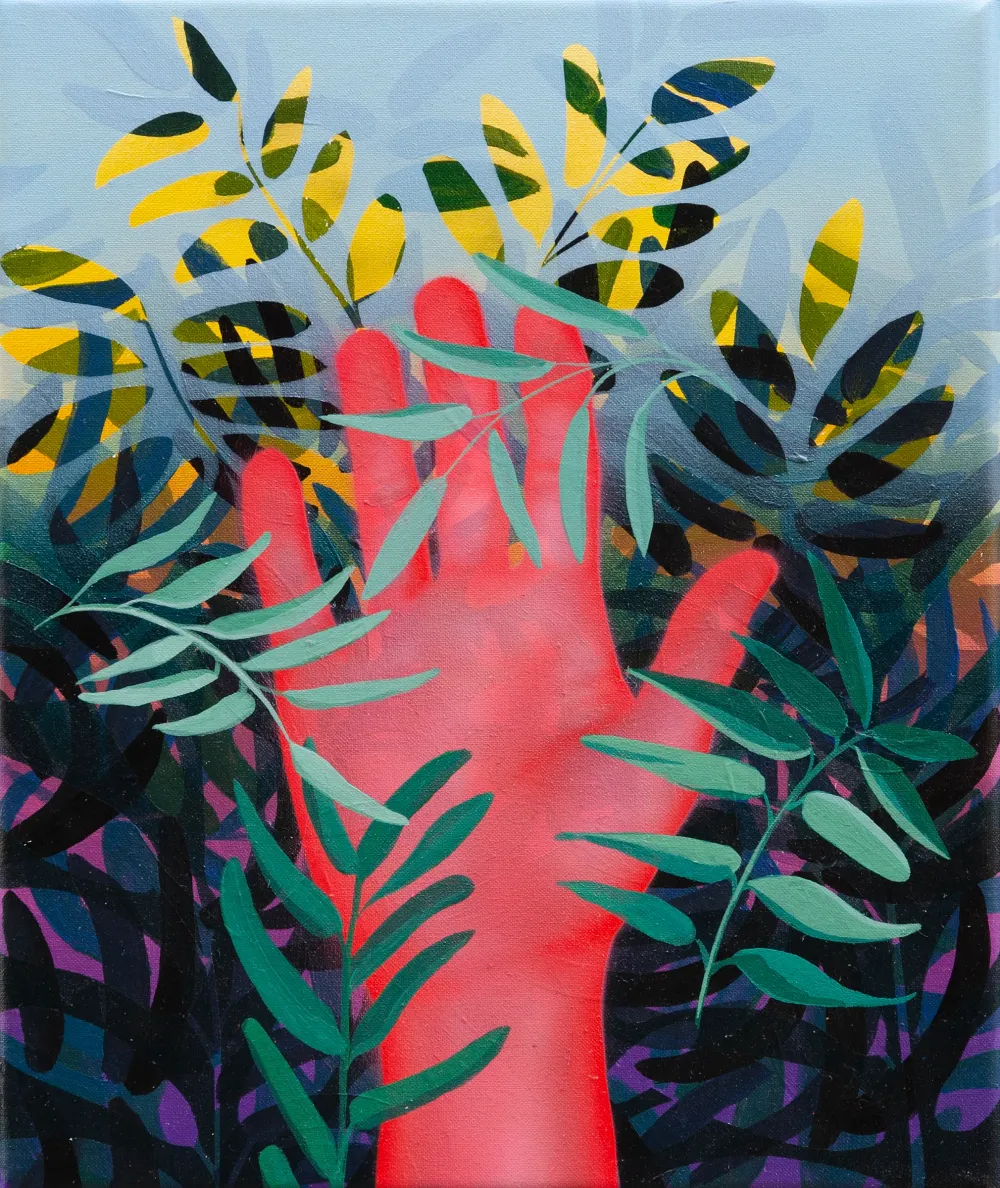
Silvia Capuzzo (Merano, 1996) is the most “abstract” artist in the exhibition. But her broad, sinuous brushstrokes, from which a love for the painterly material emerges, continue to cling to reality and representation. Bodies move fluidly through the scene and are rendered with few details: above all, one sees arms, which take on a central role. It is a virtuoso and apparently fast painting, in which the alienating point of view and the enlargement of parts of reality contribute, together with the way of painting, to the creation of the final result.
Artist page →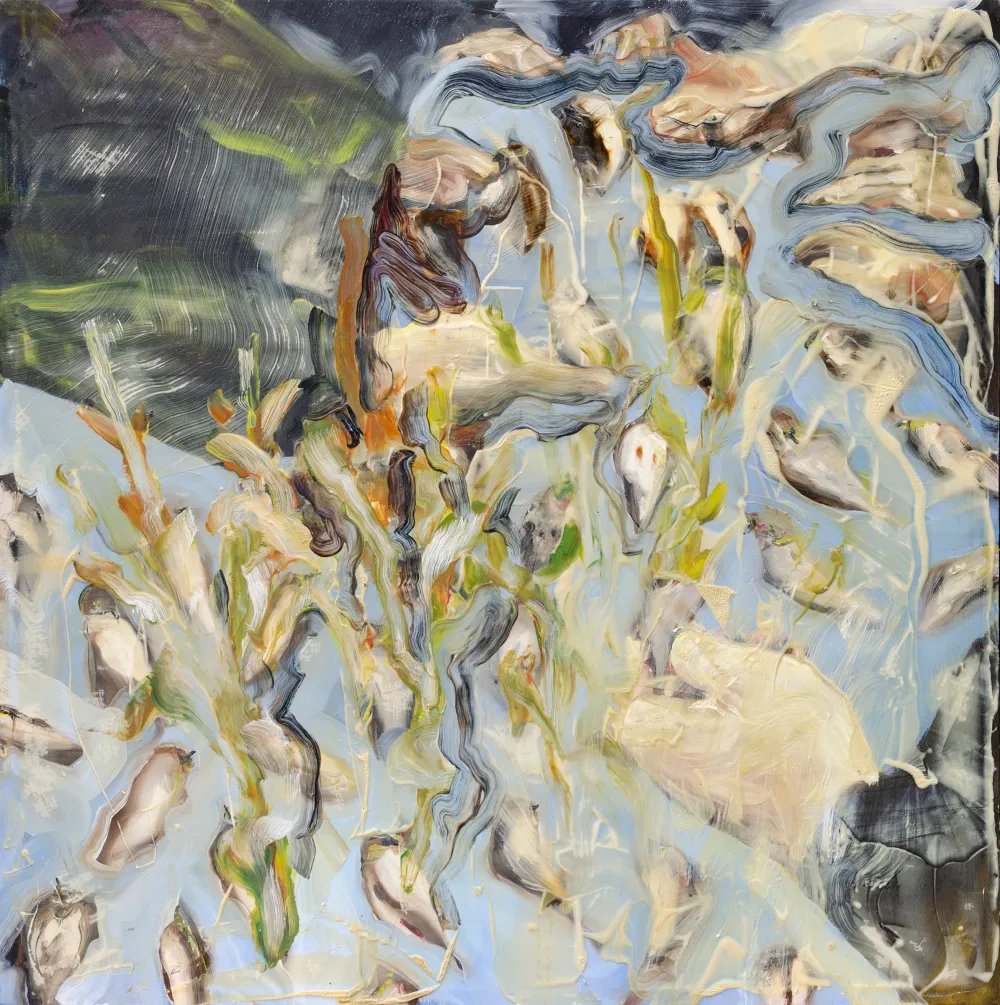
Cosimo Casoni
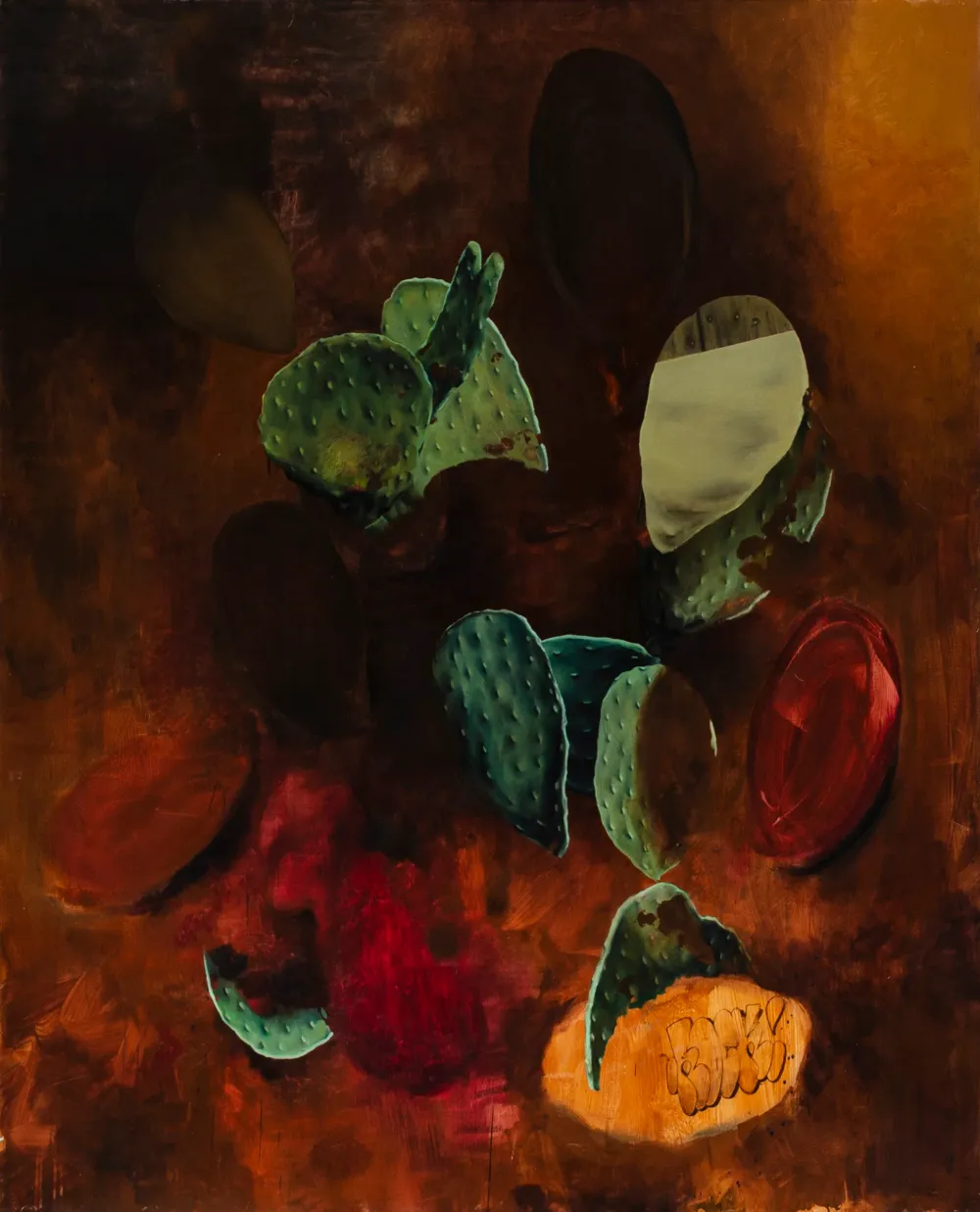
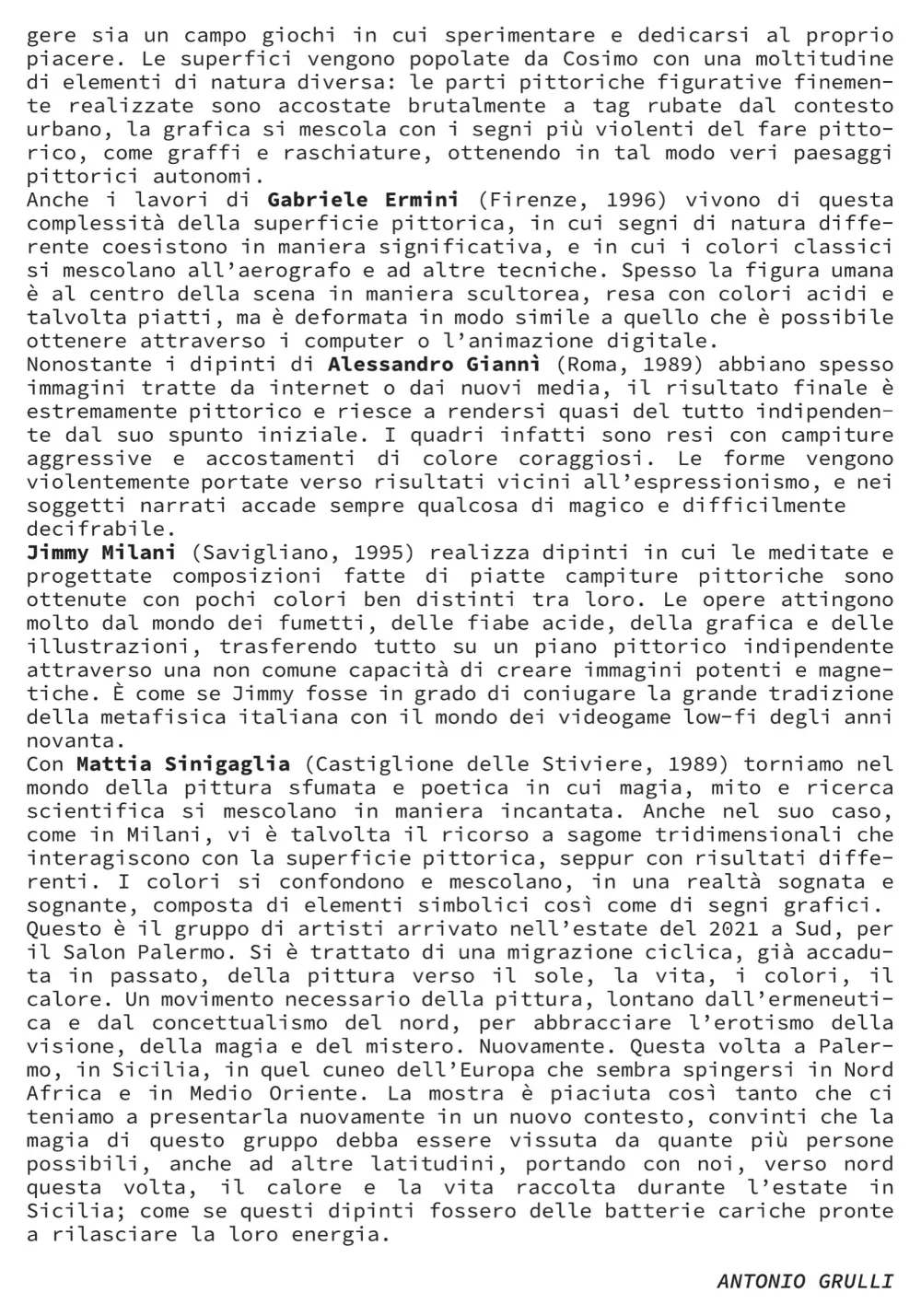
The works of Cosimo Casoni (Florence, 1990) belong to a strand that goes back to the Dada and conceptually eclectic painting of the last century. Here the painting is both an autopsy table for the act of painting and a playground in which to experiment and indulge one’s own pleasure. Cosimo populates his surfaces with a multitude of elements of different kinds: finely executed figurative passages are brutally juxtaposed with tags stolen from the urban context, and graphics mingle with the most violent marks of painting, such as scratches and scrapings, thus creating true autonomous painterly landscapes.
Artist page →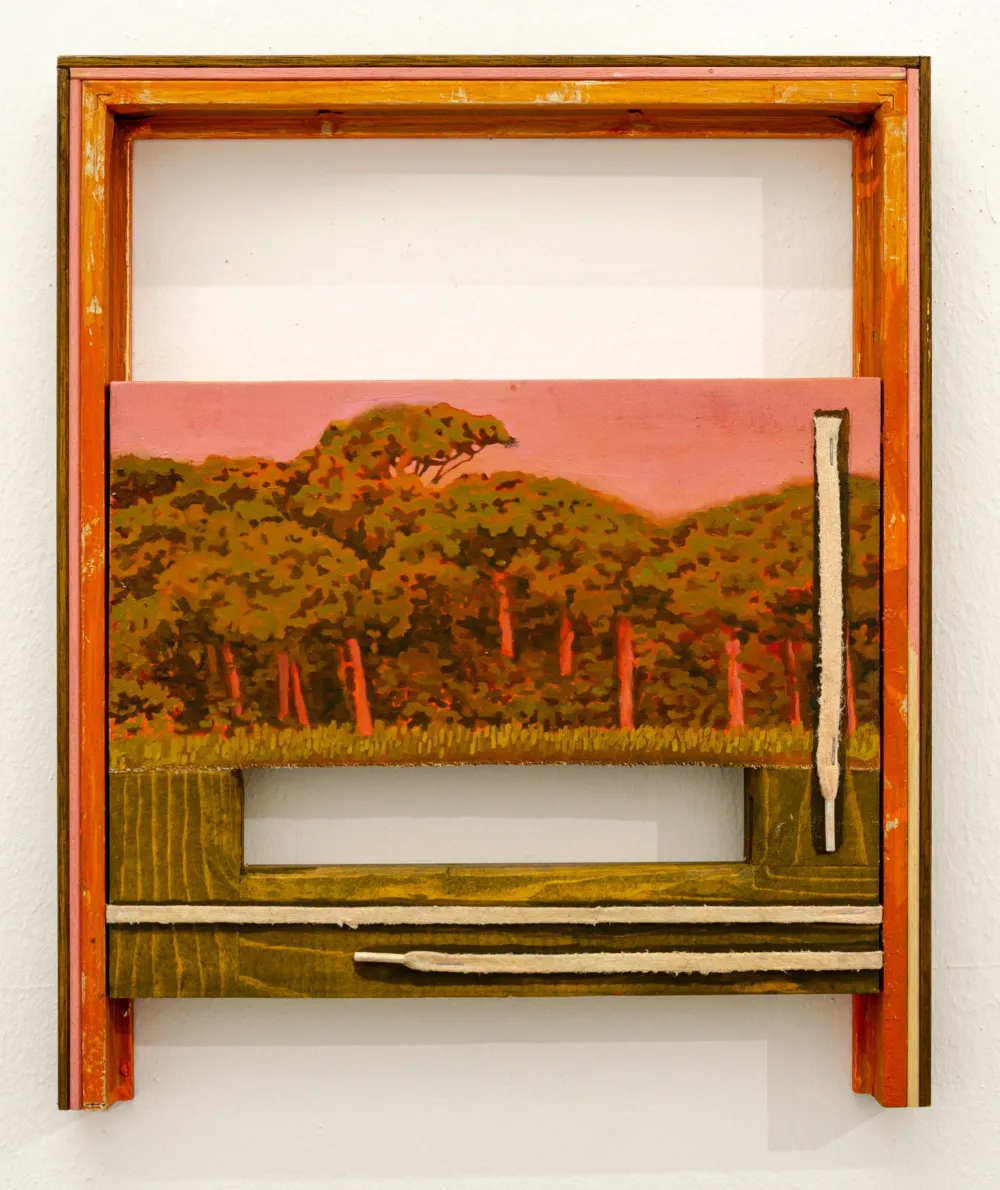
Gabriele Ermini
The works of Gabriele Ermini (Florence, 1996) also thrive on this complexity of the painted surface, in which signs of different kinds coexist meaningfully and classic colours mix with airbrush and other techniques. The human figure is often at the centre of the scene in an almost sculptural way, rendered in acid, often flat colours but deformed in a manner similar to what can be obtained with computers or digital animation.
Artist page →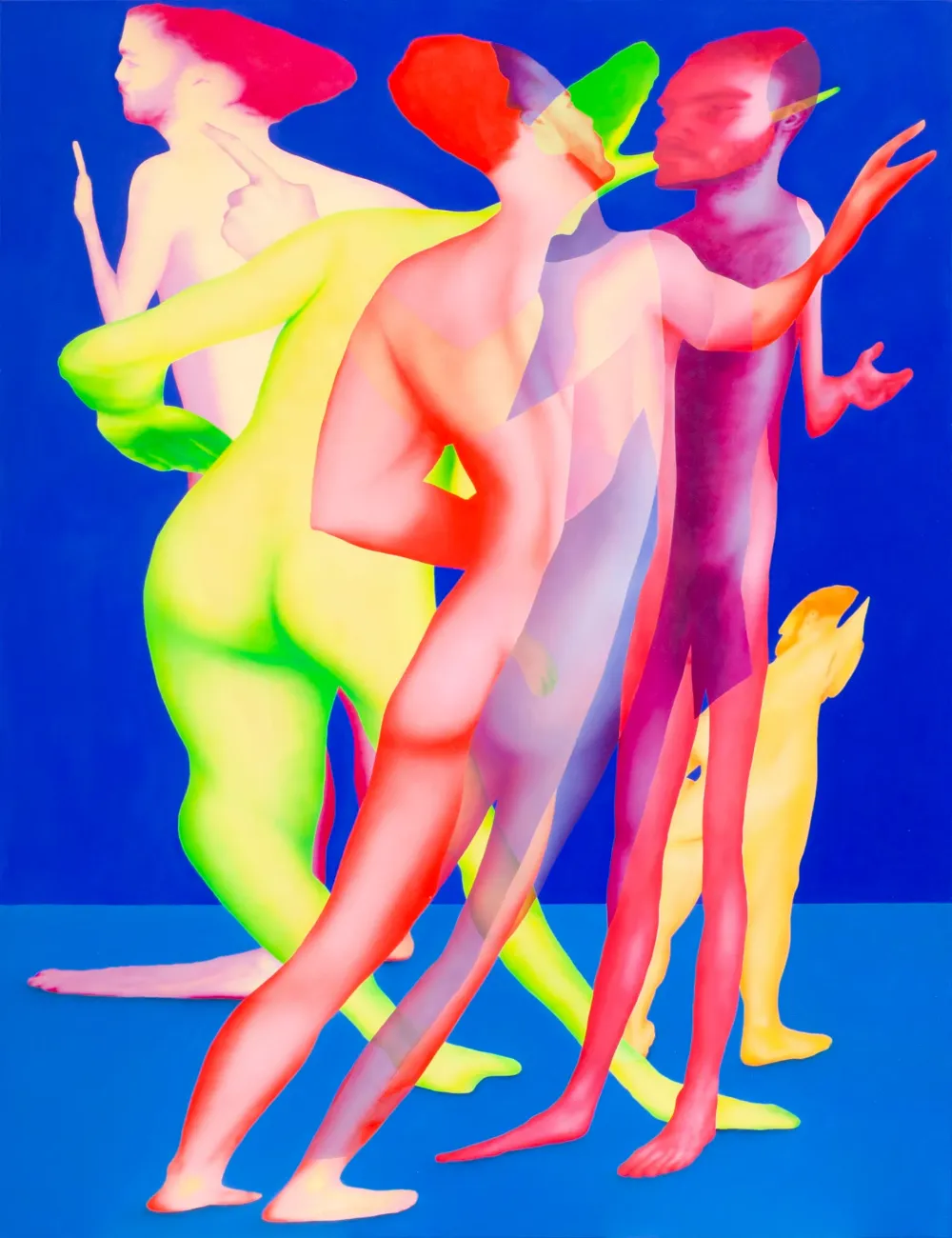
Alessandro Giannì
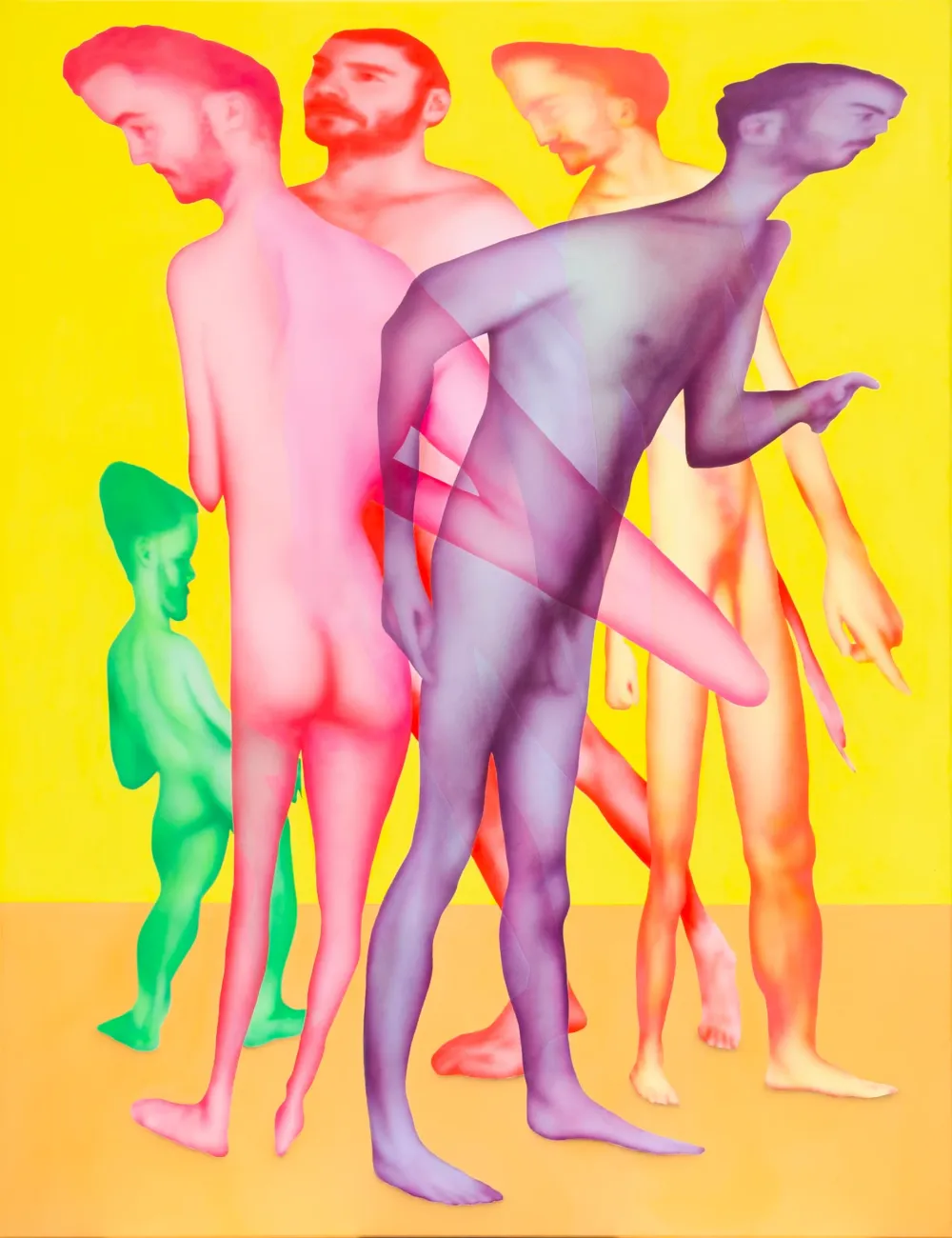
Although Alessandro Giannì’s paintings (Rome, 1989) often take their subject from the internet or from new media, the final result is extremely painterly and manages to become almost entirely independent of its initial cue. The paintings are rendered with aggressive colour fields and bold colour combinations. The images are violently deformed into results close to expressionism, and in his scenes something magical and hard to decipher always happens.
Artist page →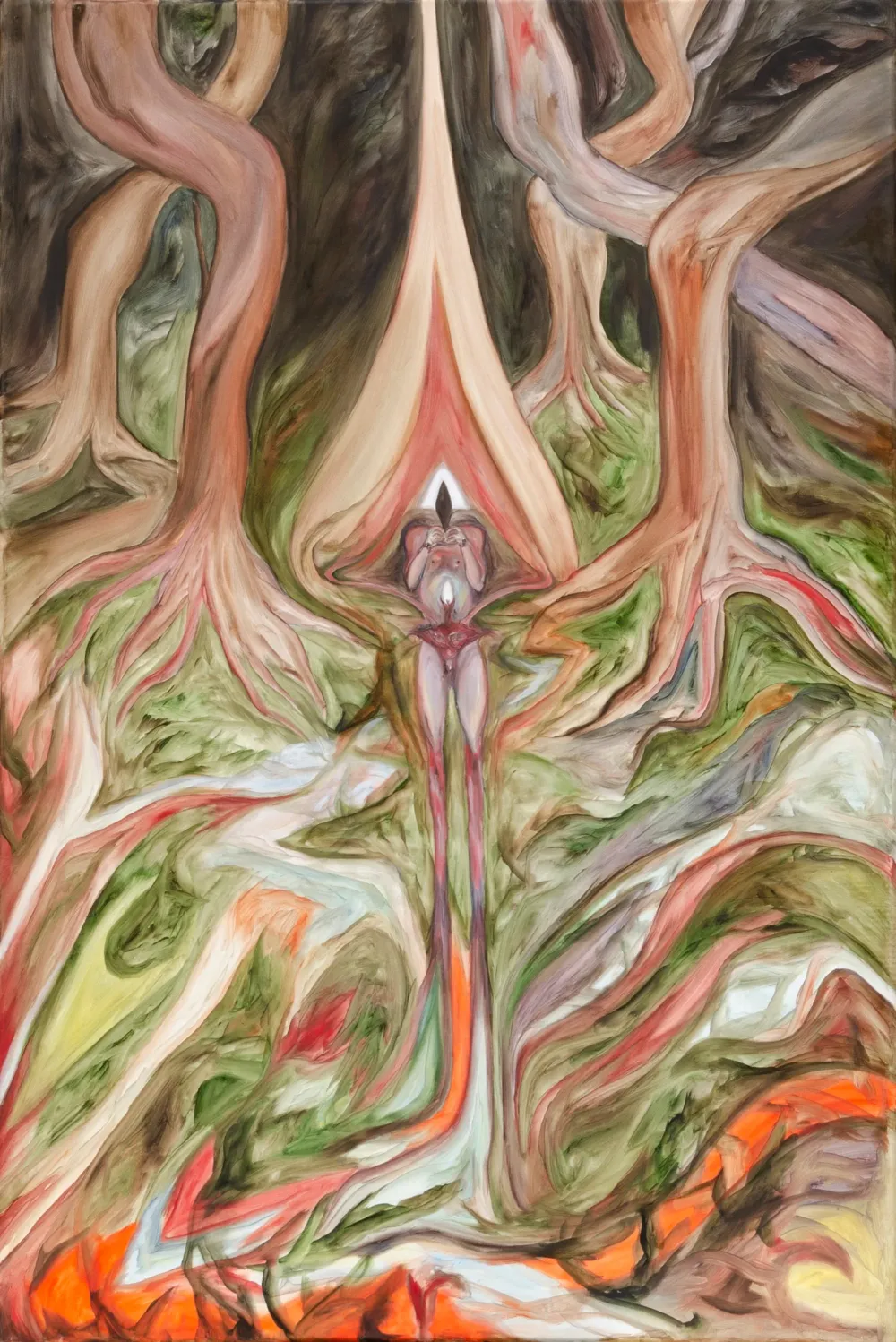
Jimmy Milani
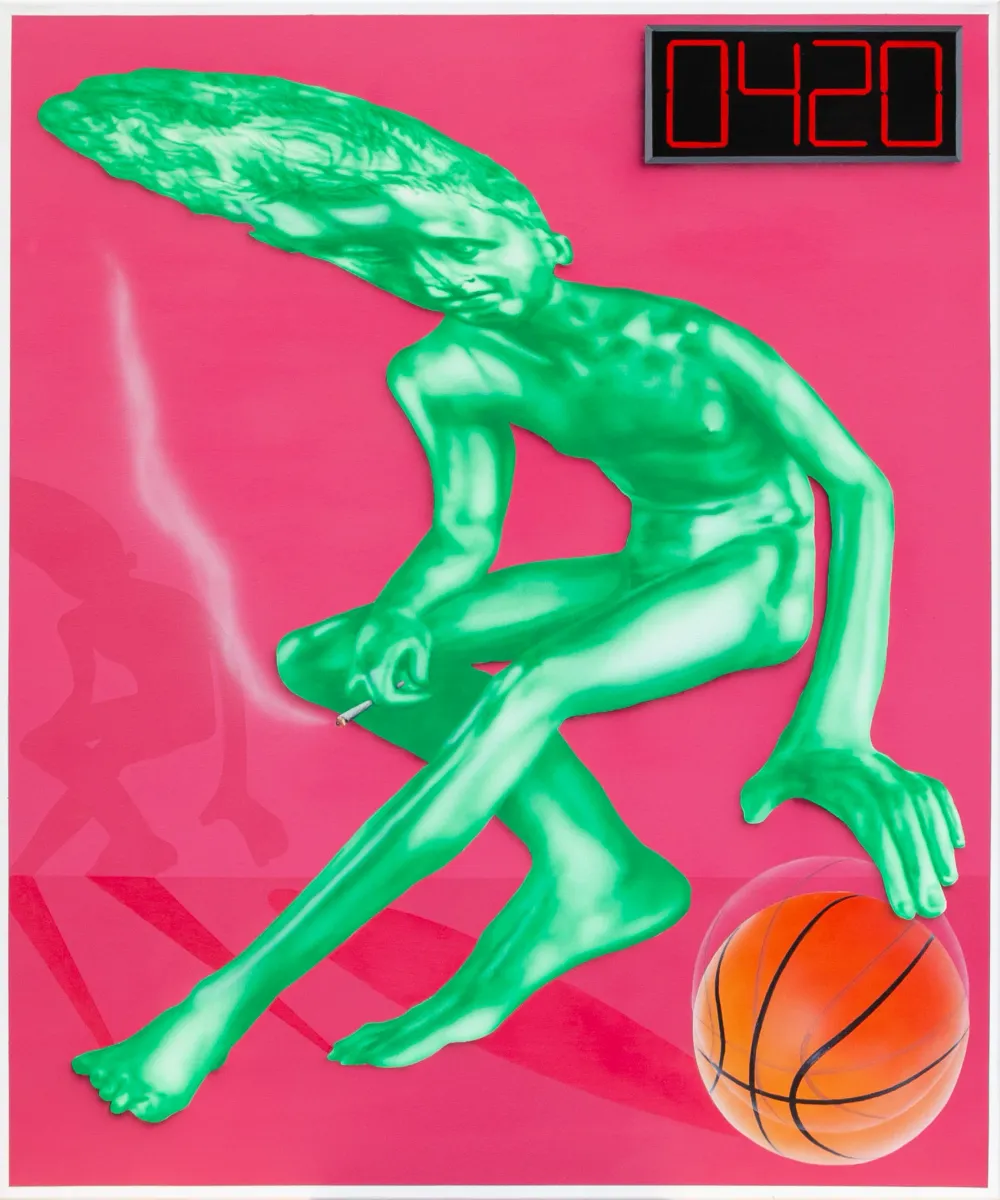
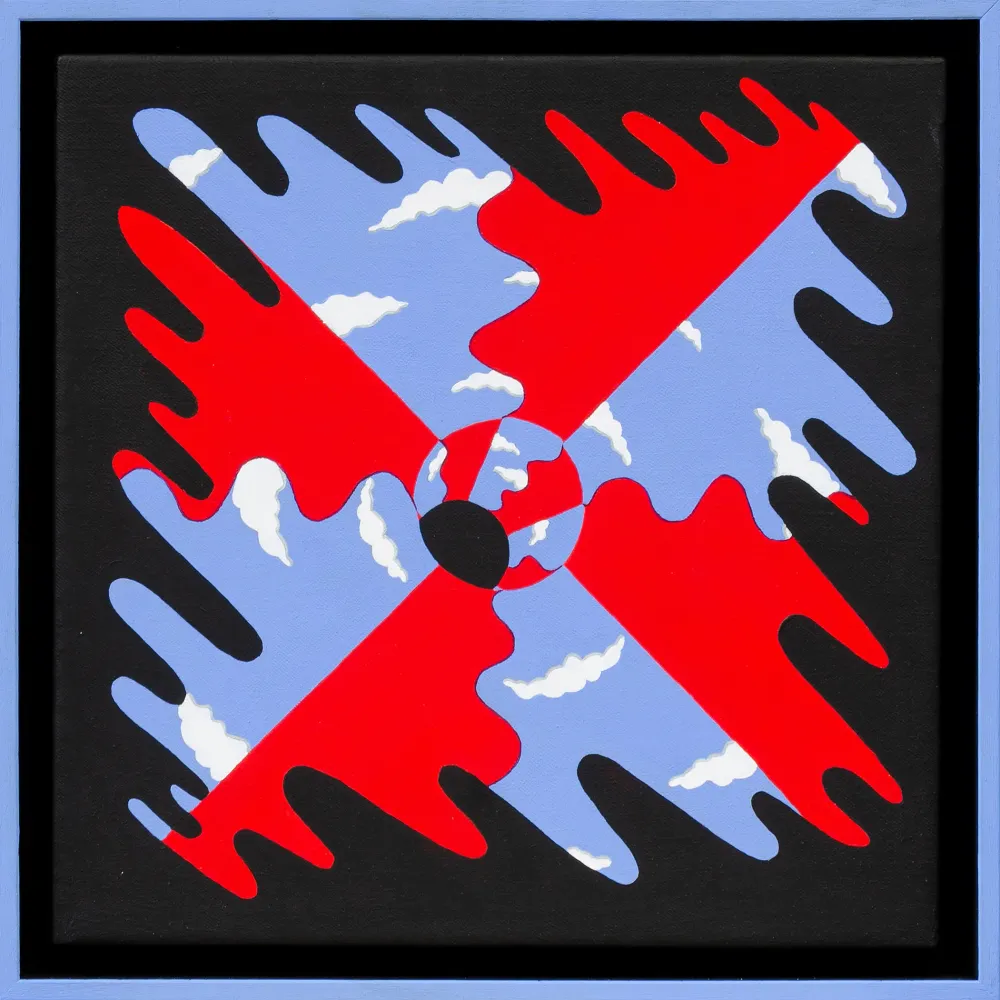
Jimmy Milani (Savigliano, 1995) creates paintings in which carefully considered, planned compositions of flat colour fields are achieved with a few clearly distinct colours. The works draw heavily on the world of comics, acid fairy tales, graphics and illustration, transferring everything onto a painterly plane kept independent through an uncommon ability to create powerful, magnetic images. It is as if Jimmy were able to combine the great tradition of Italian metaphysical painting with the world of the low-fi video games of the nineties.
Artist page →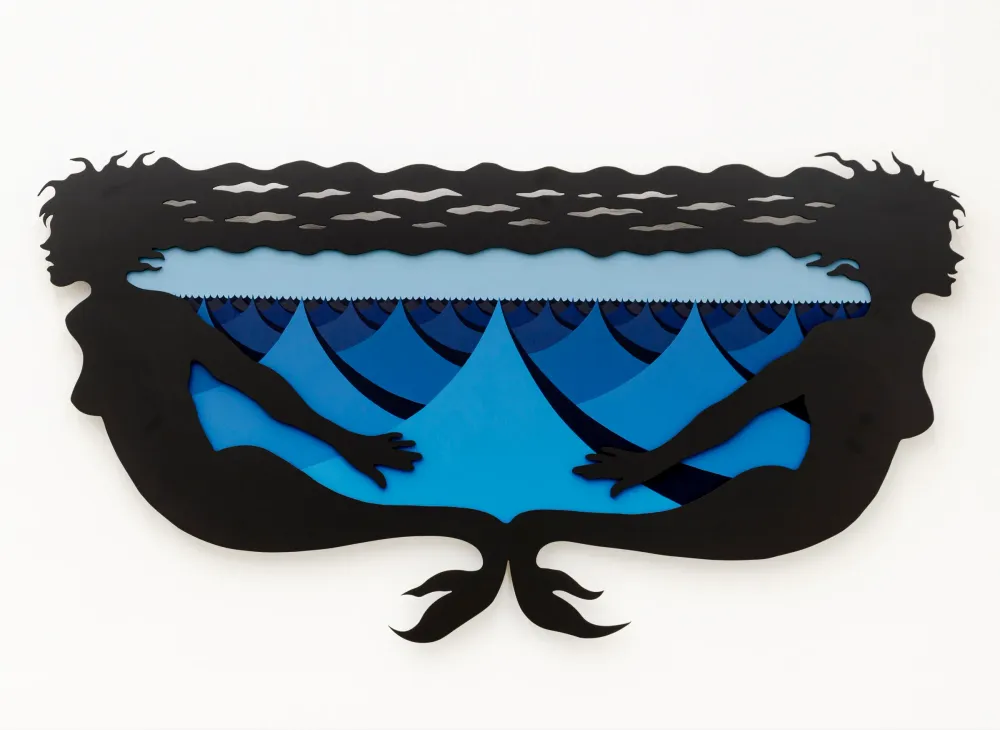
Mattia Sinigaglia
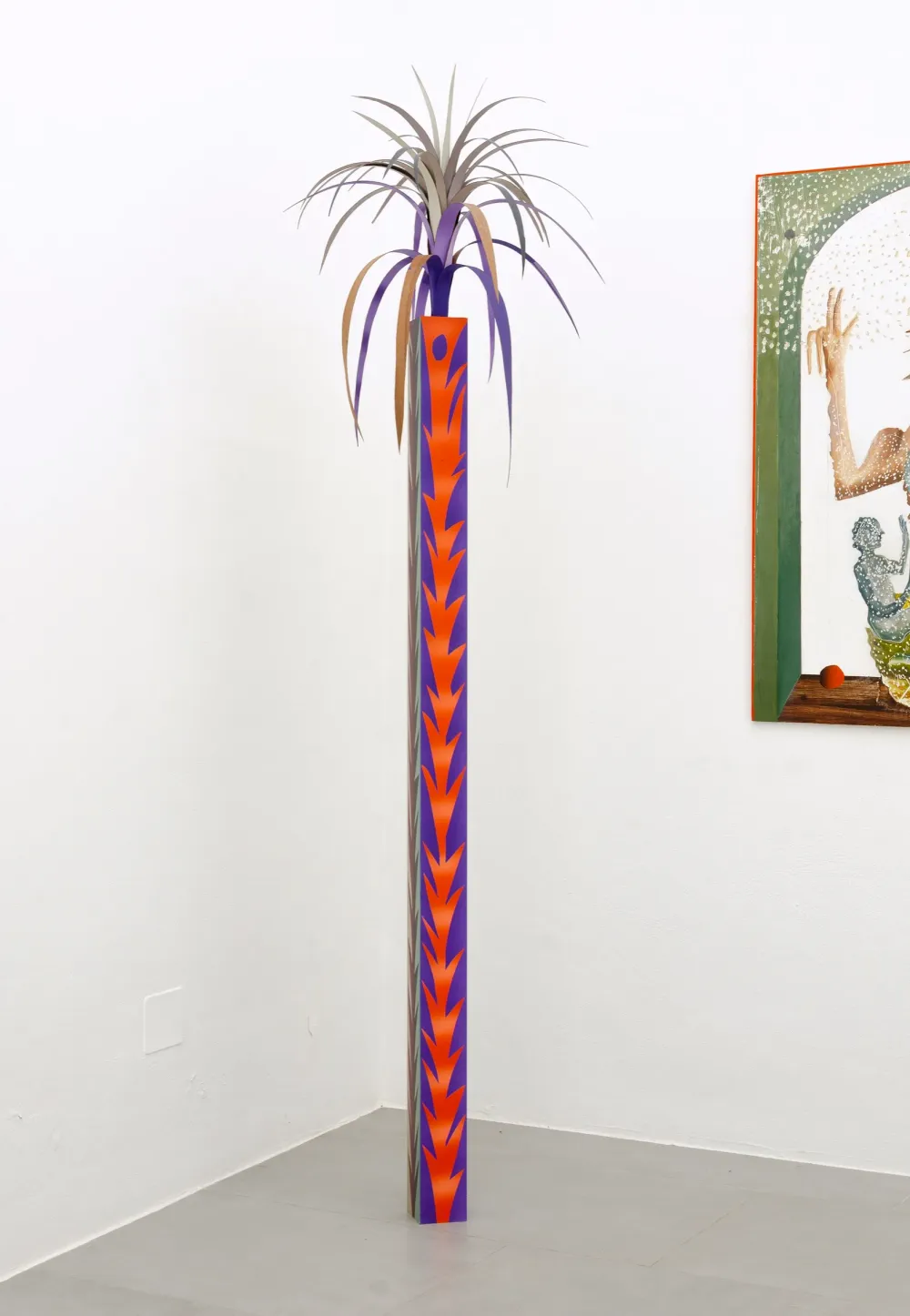
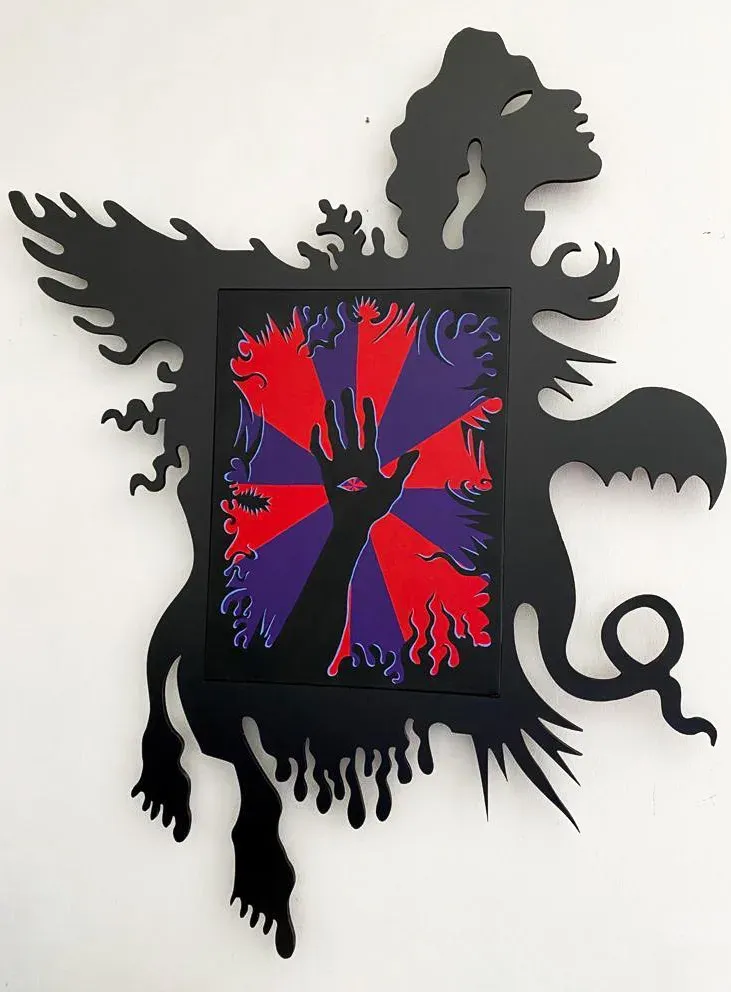
With Mattia Sinigaglia (Castiglione delle Stiviere, 1989) we return to the world of nuanced, poetic painting in which magic, myth and scientific research mingle in an enchanted way. In his case too, as with Jimmy Milani, there is at times a recourse to three-dimensional shapes that interact with the painted surface, albeit with different results. Colours blur and mix in a dreamed and dreaming reality, composed of symbolic elements as well as graphic signs.
Artist page →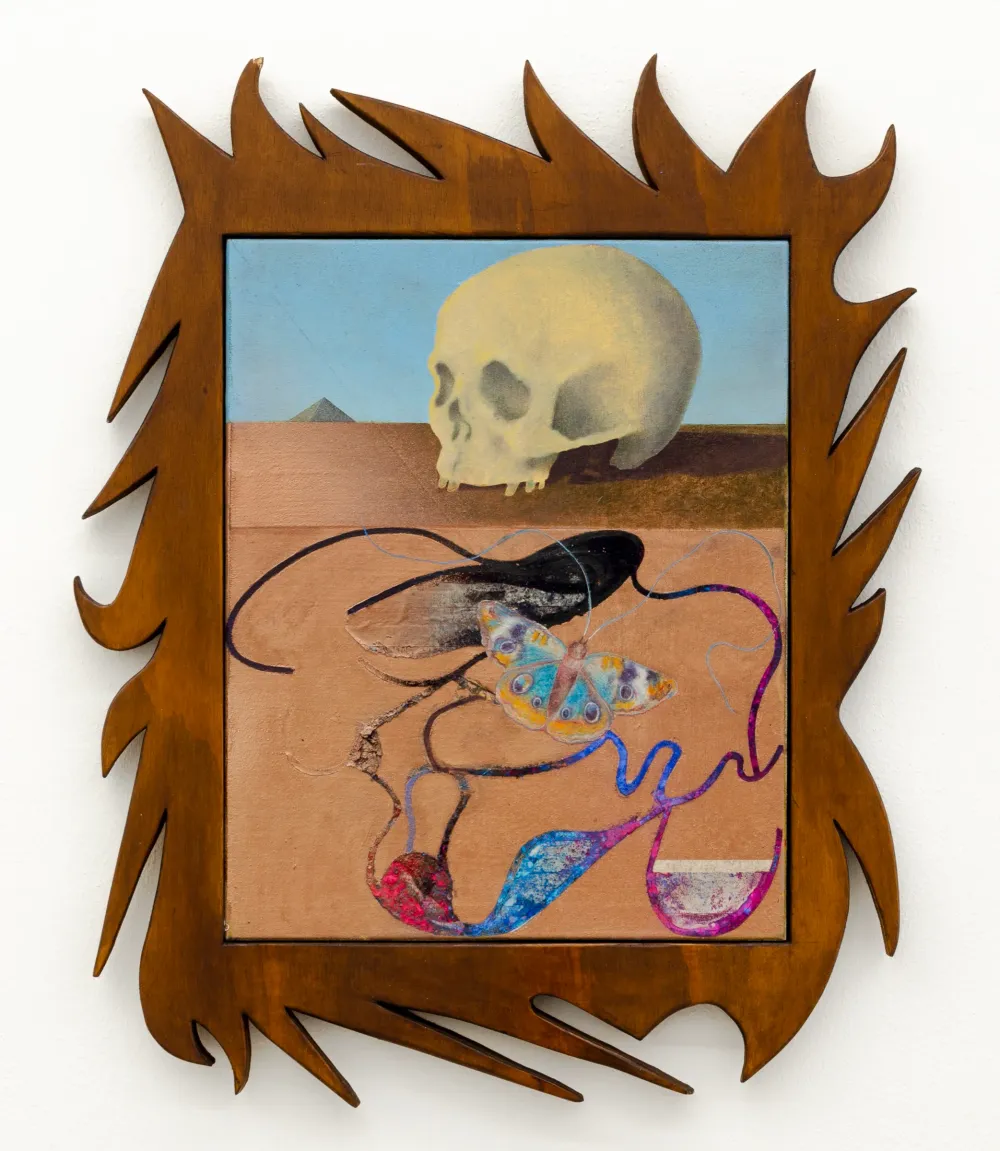
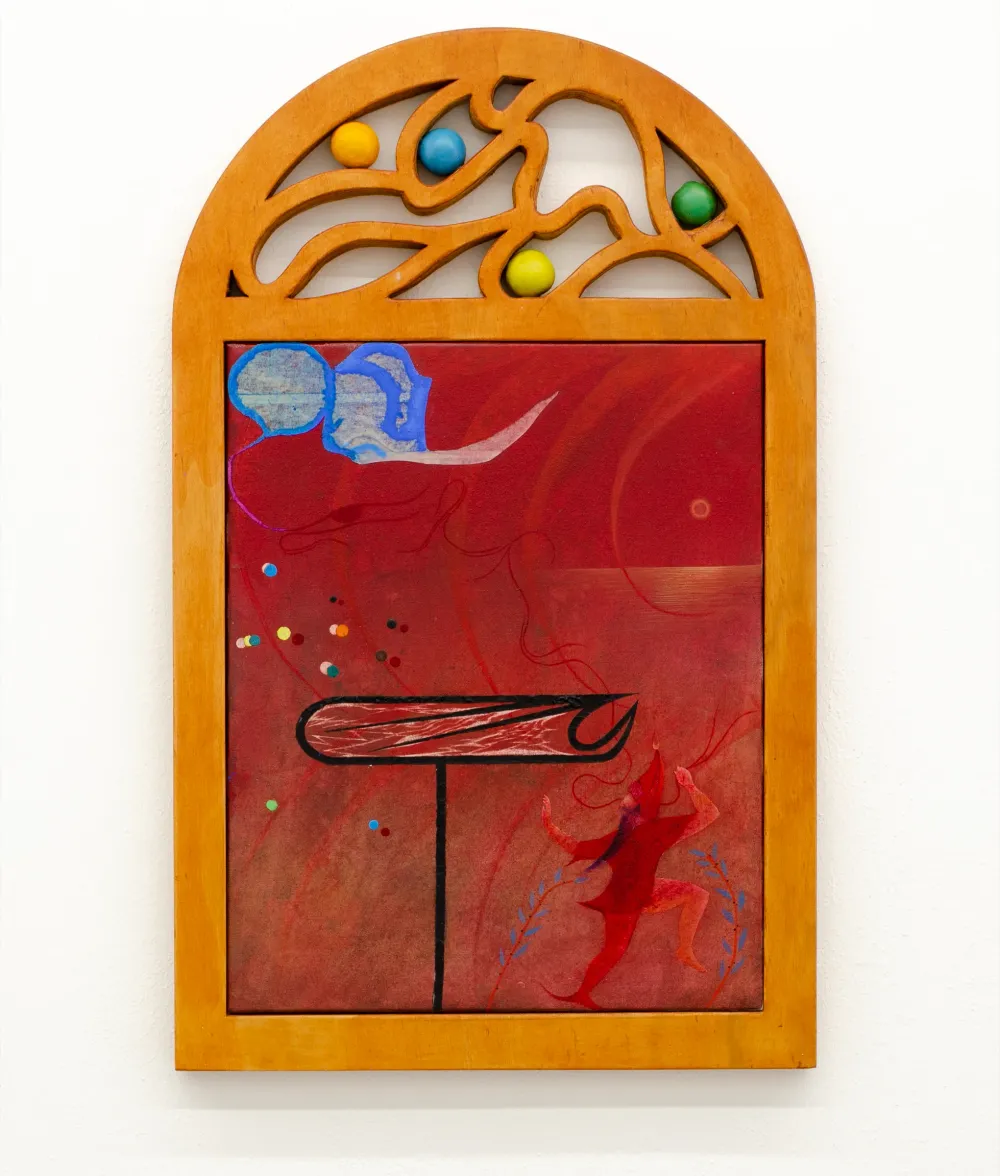
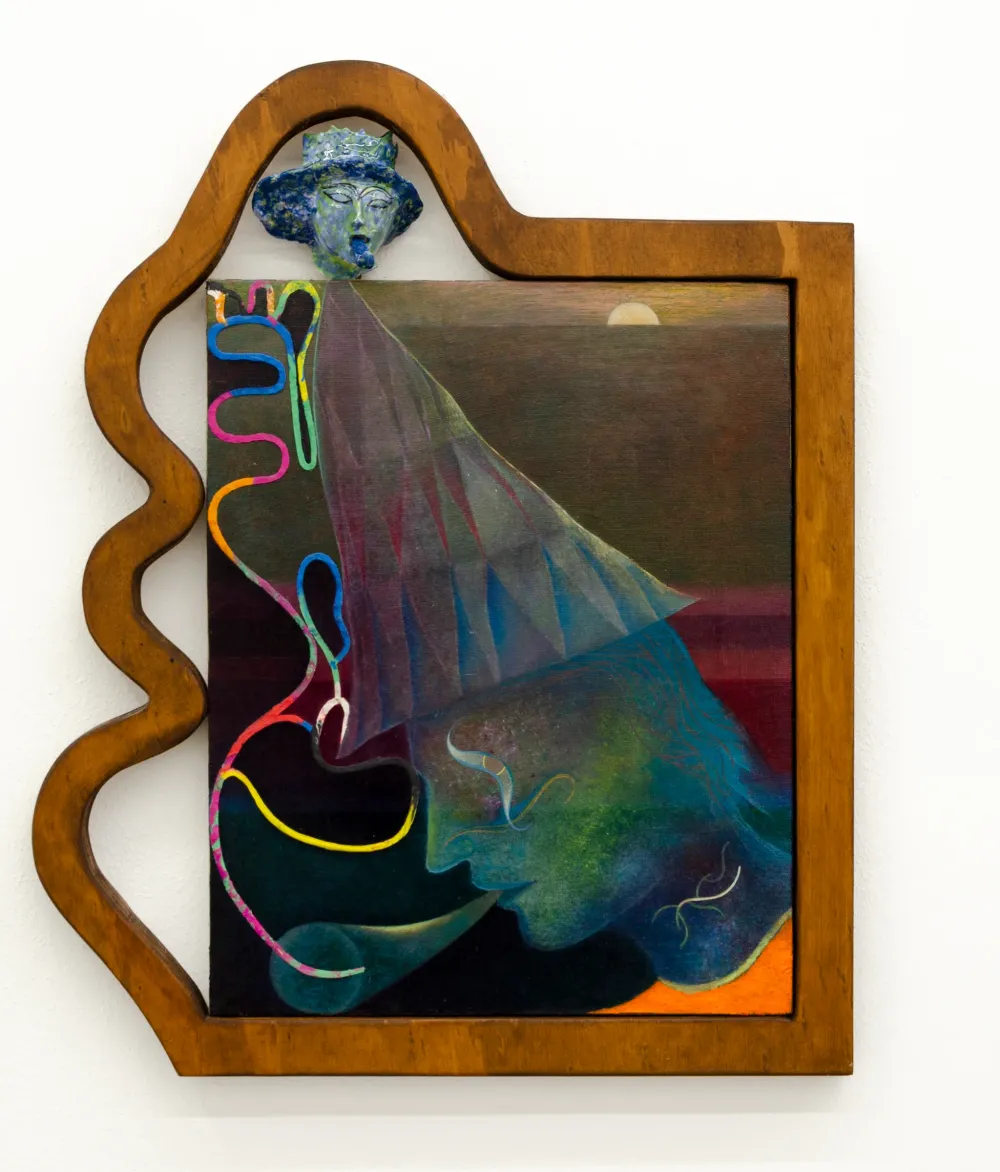
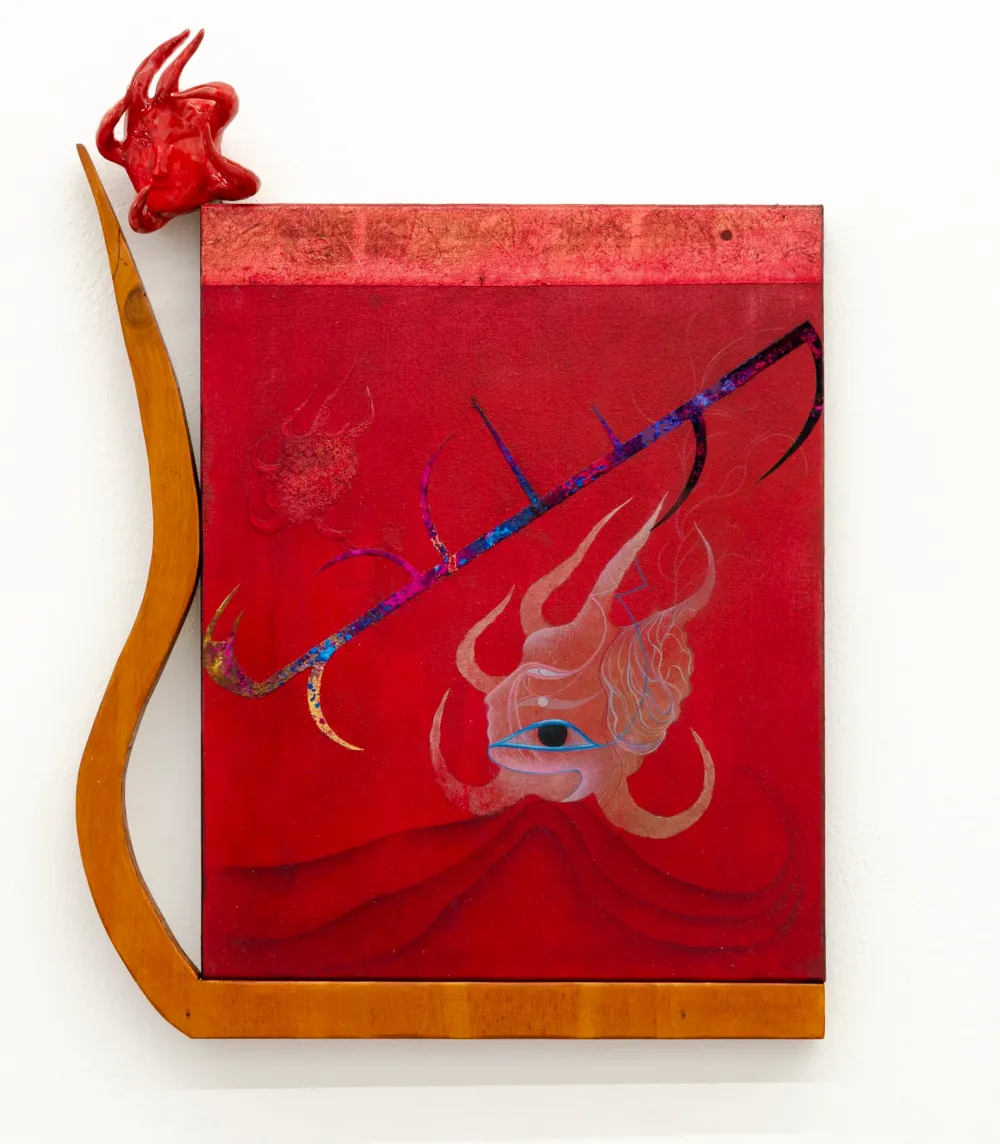
Installation views
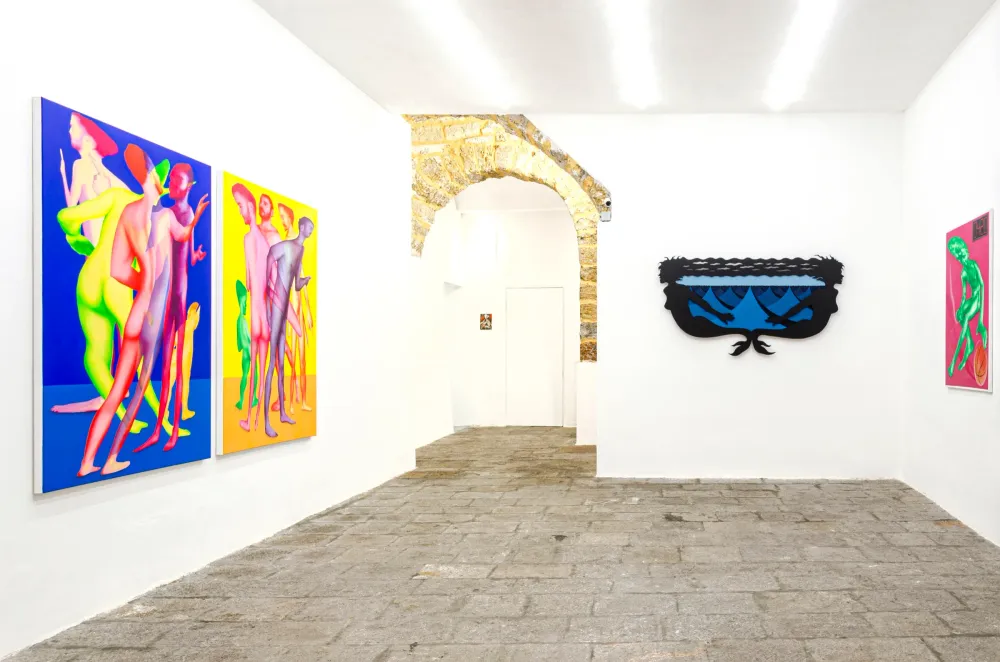
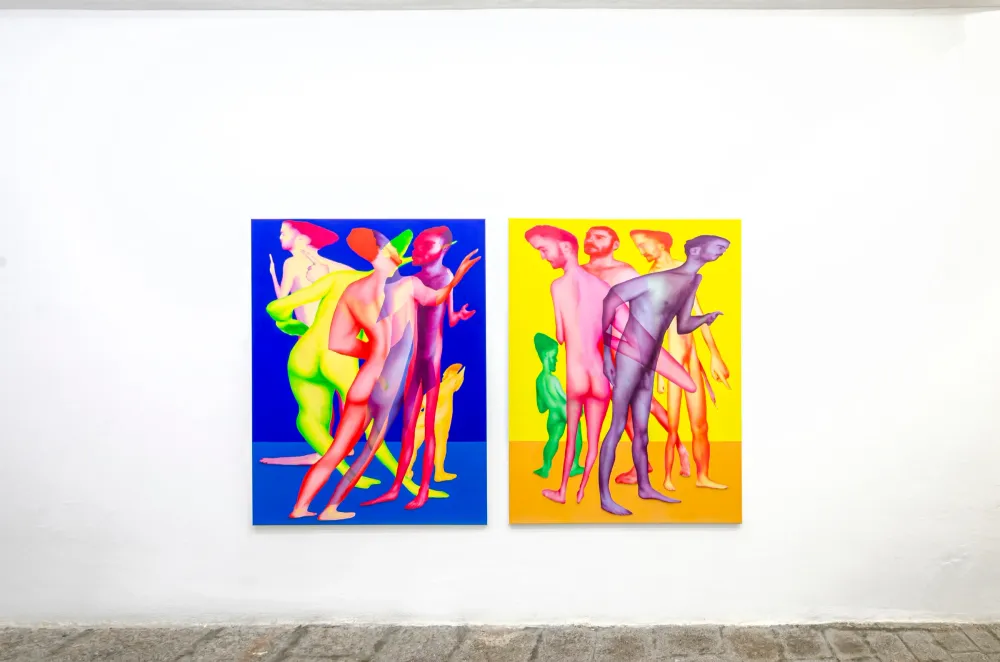
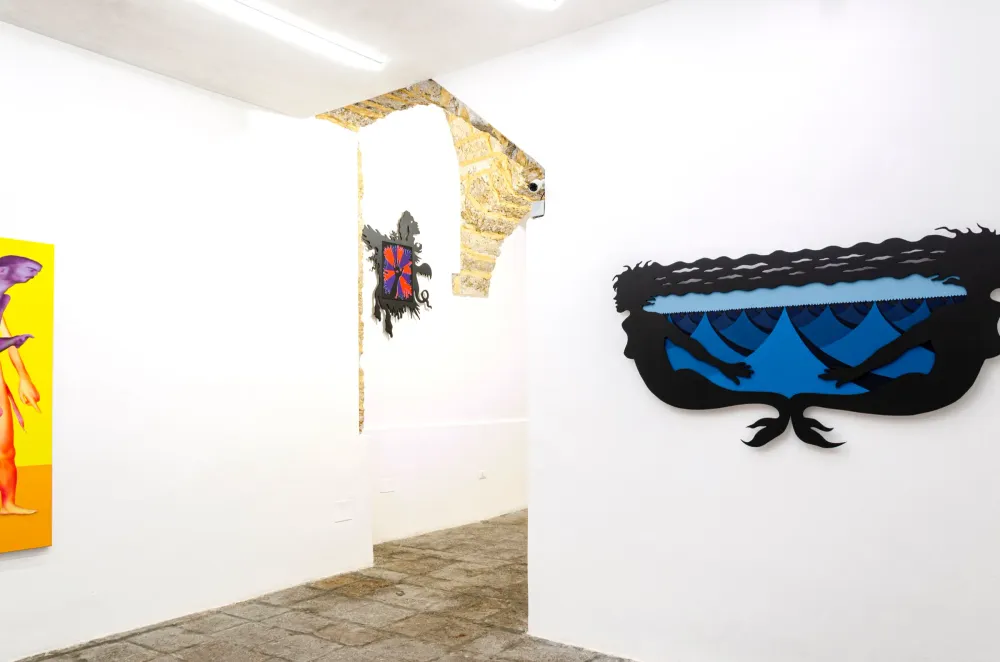
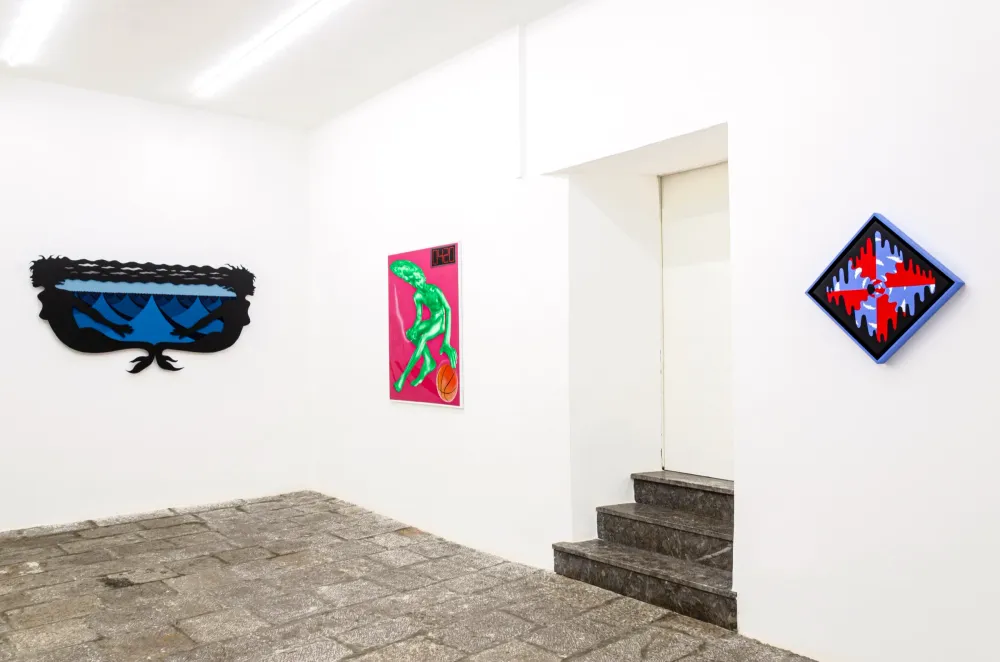
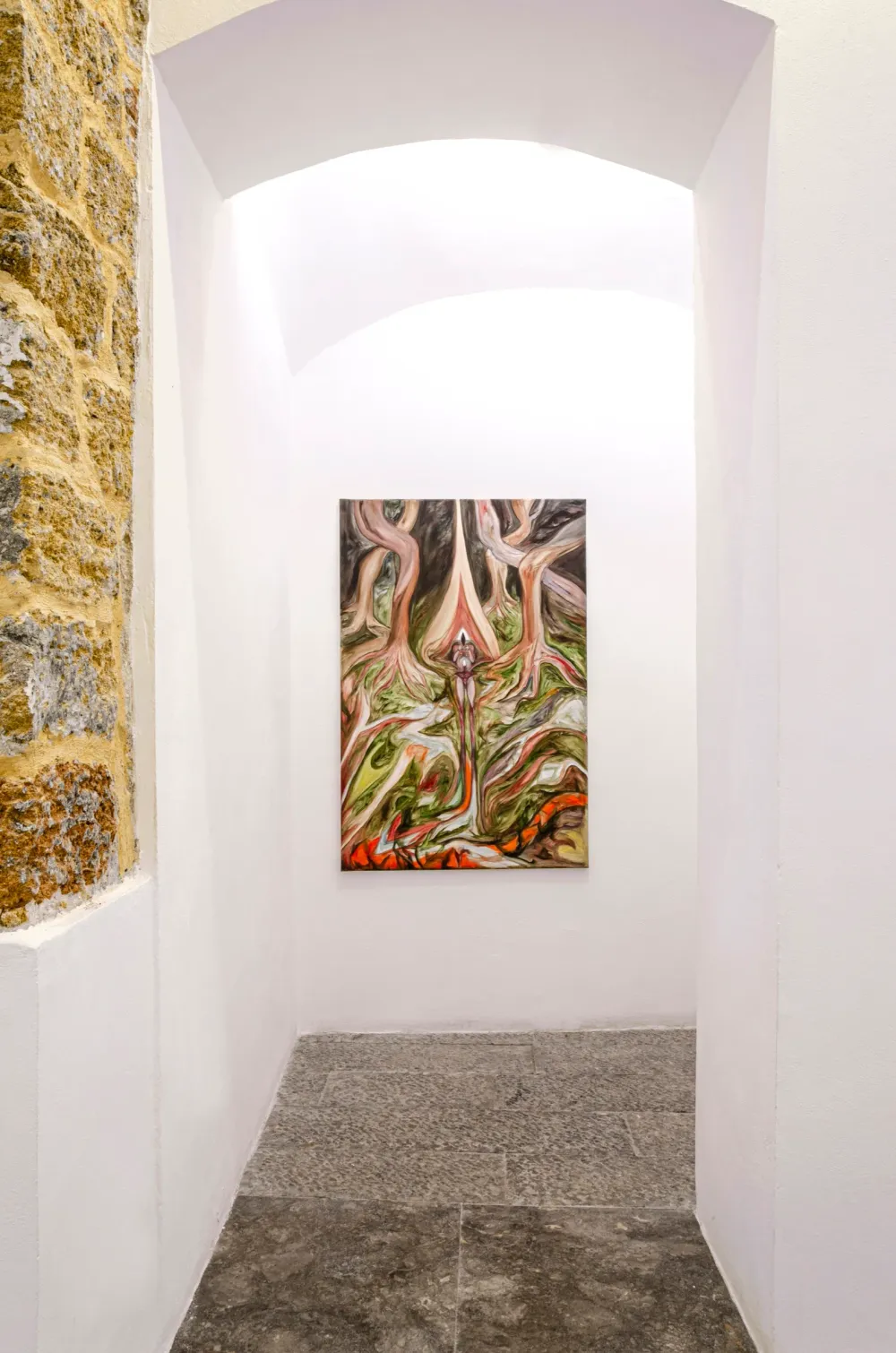
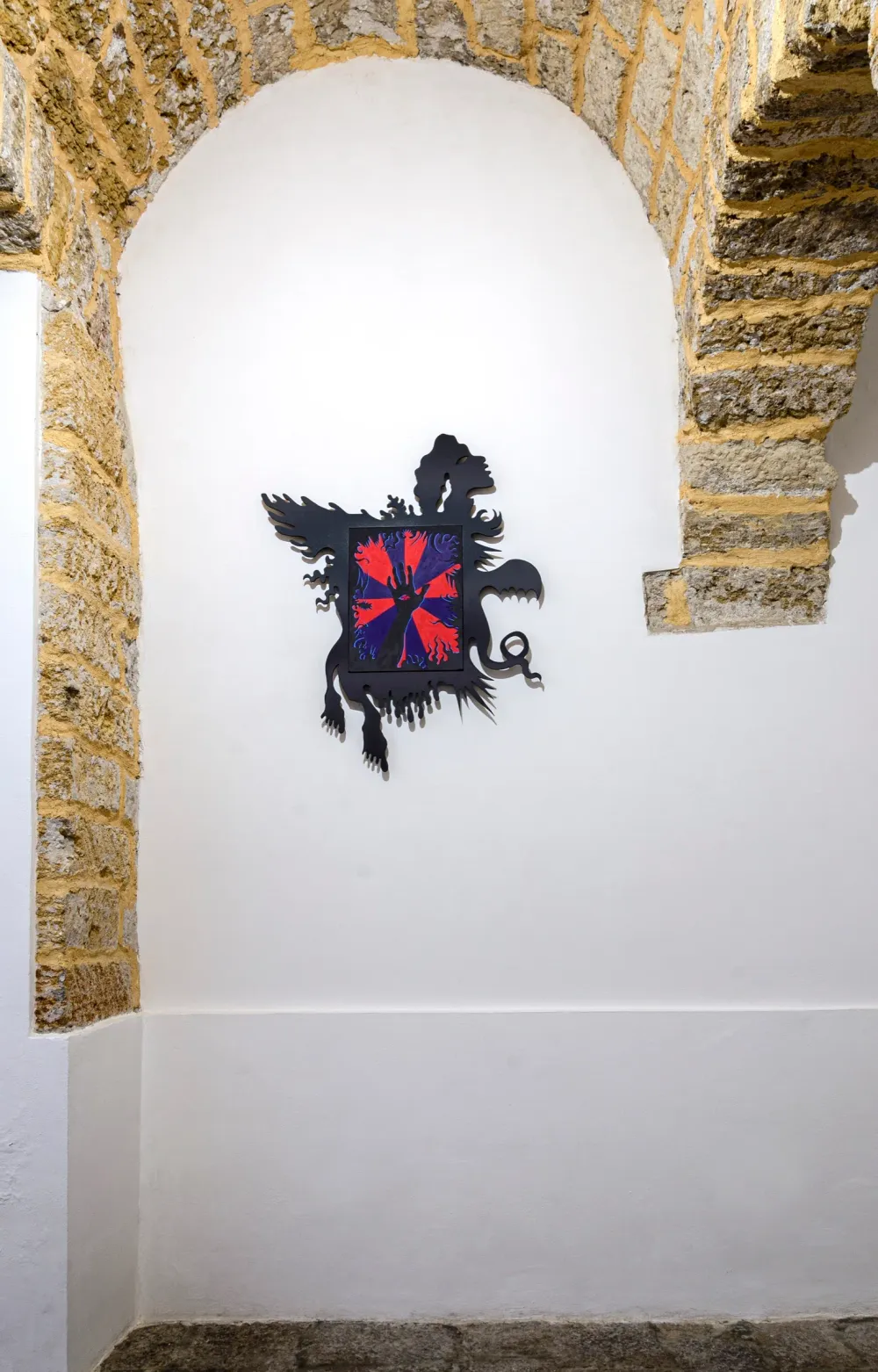
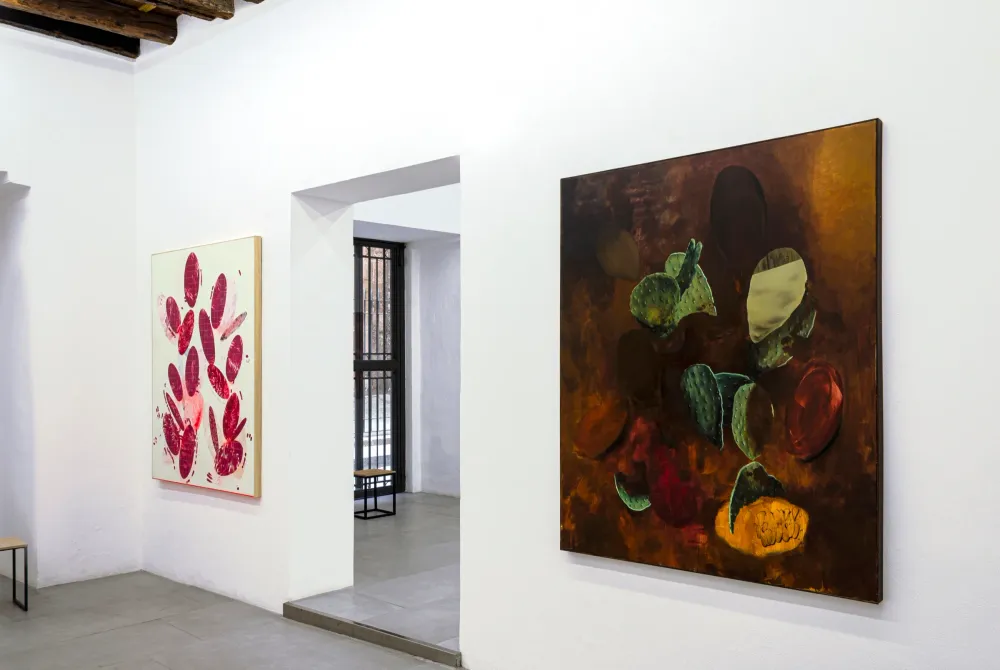
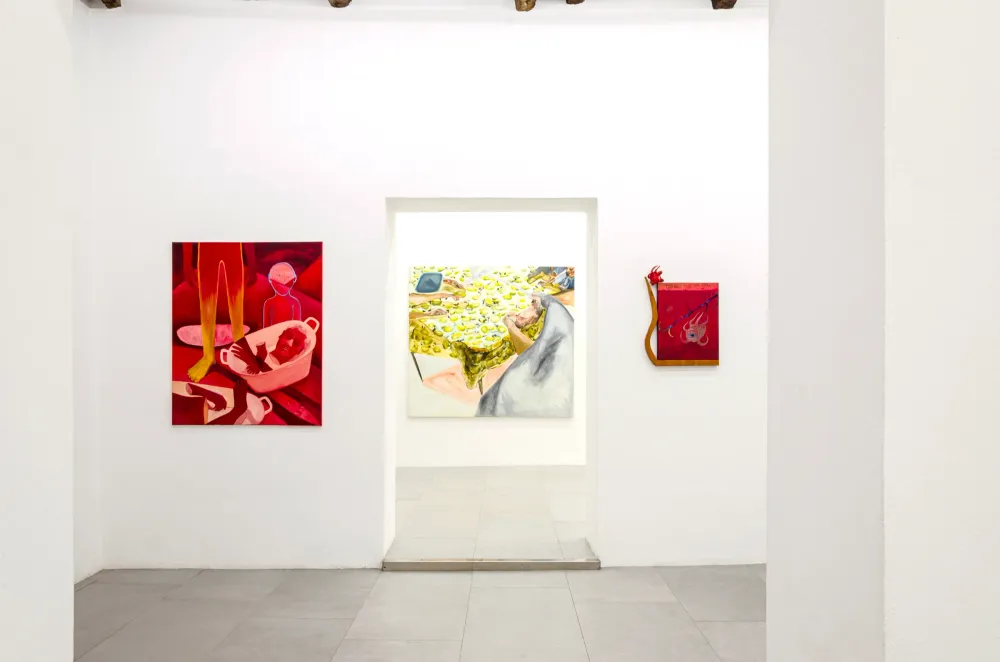
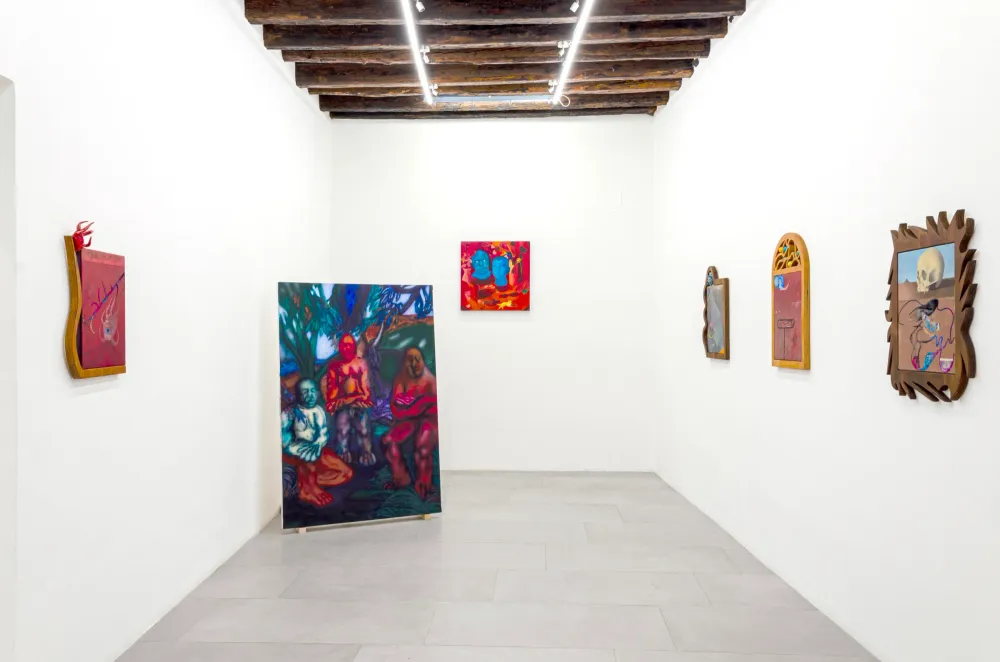
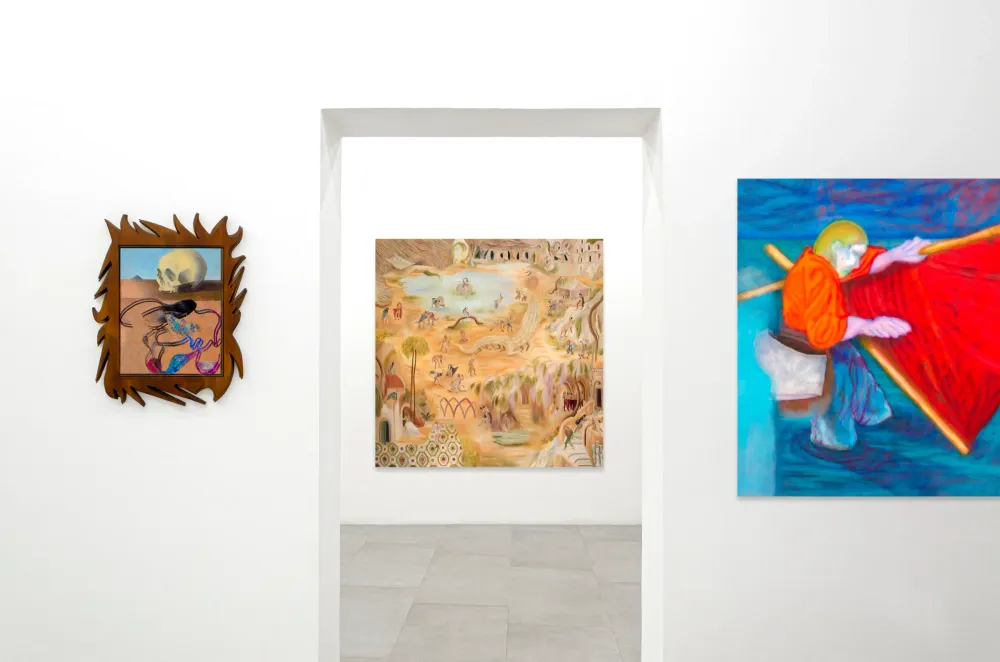
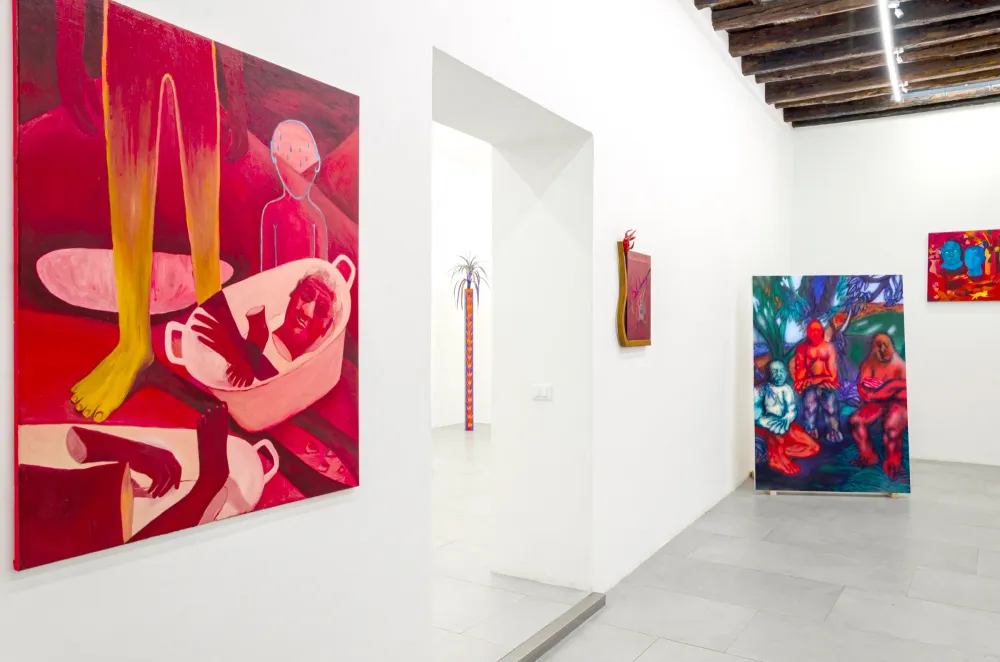
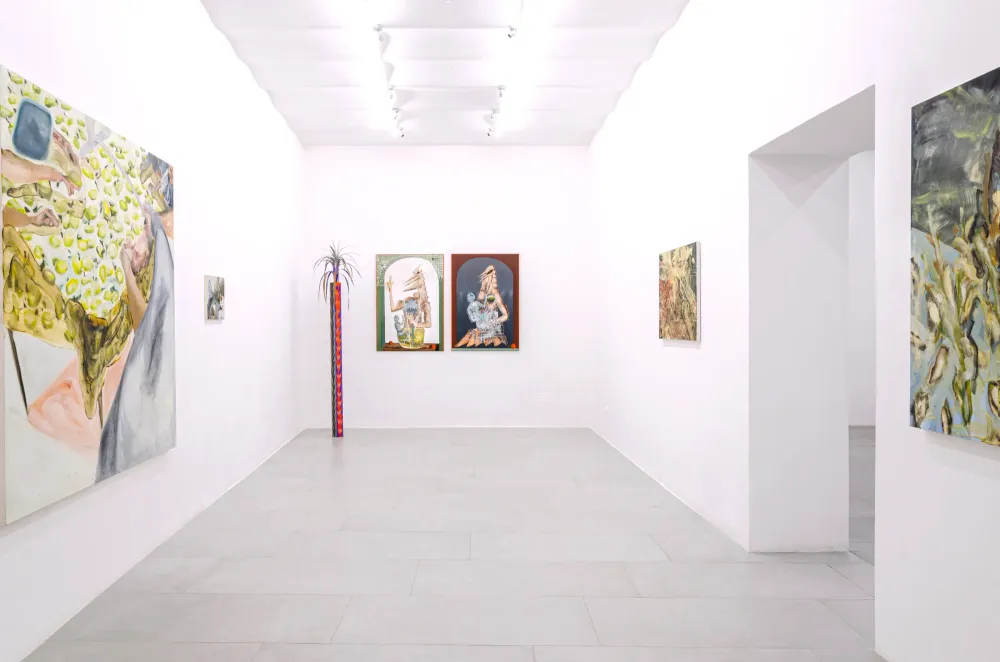
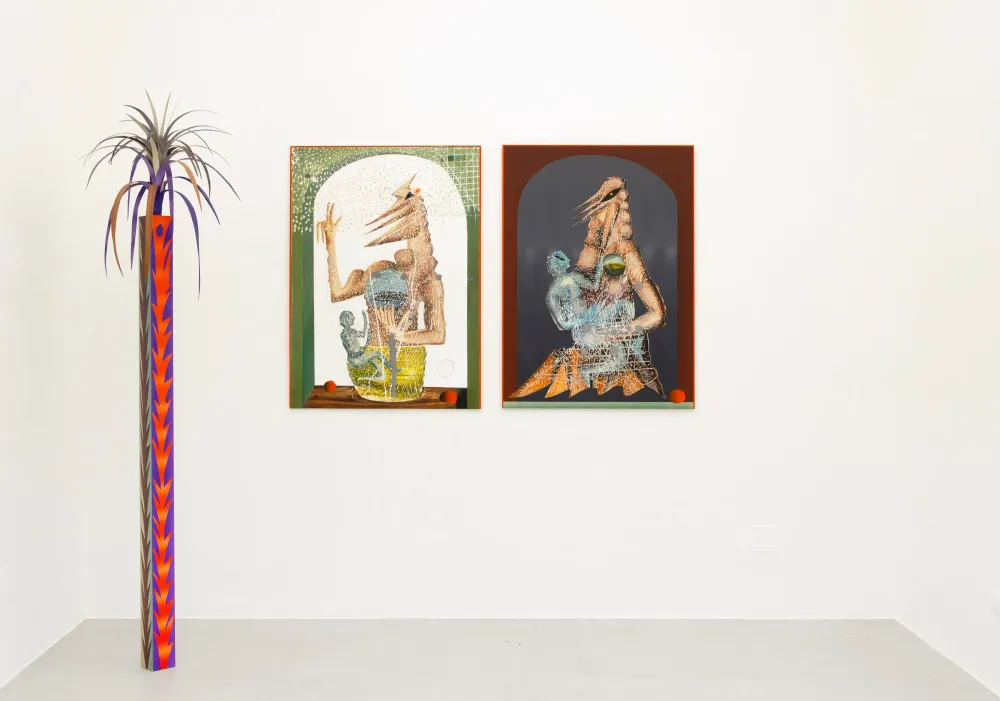
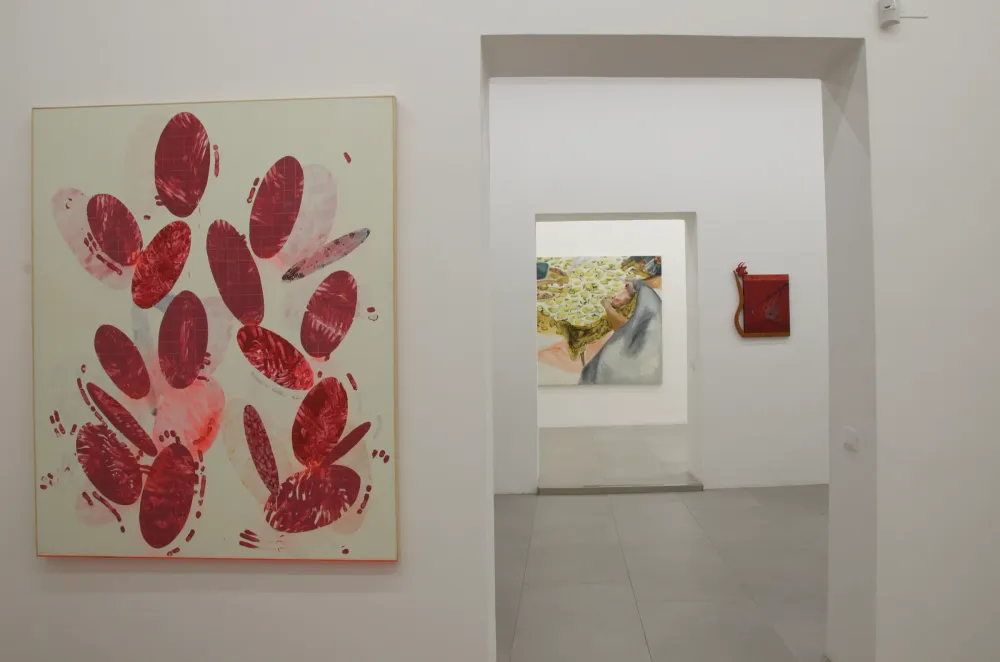
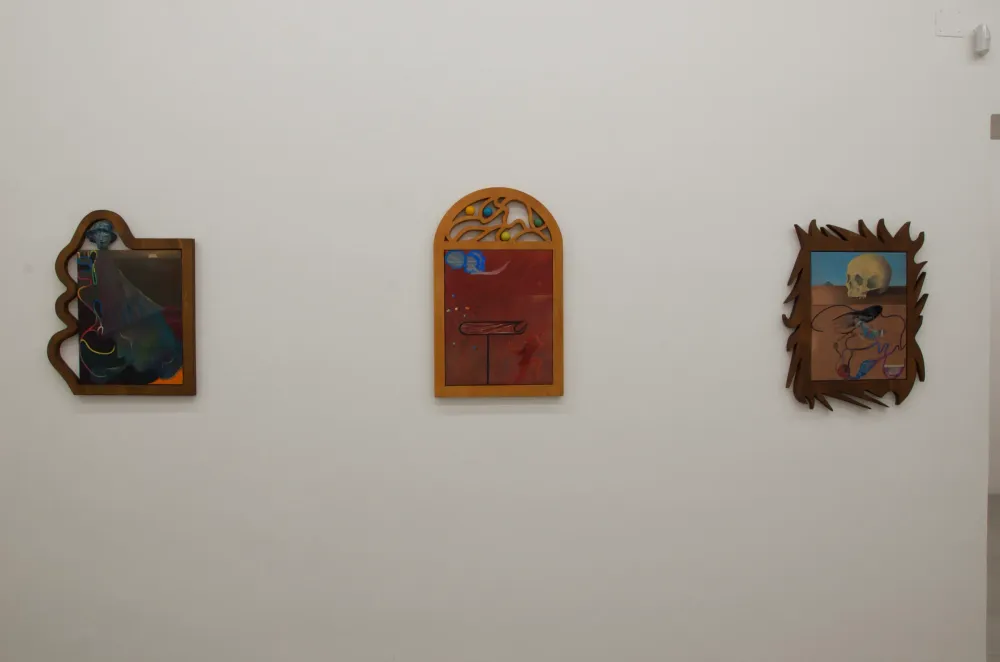
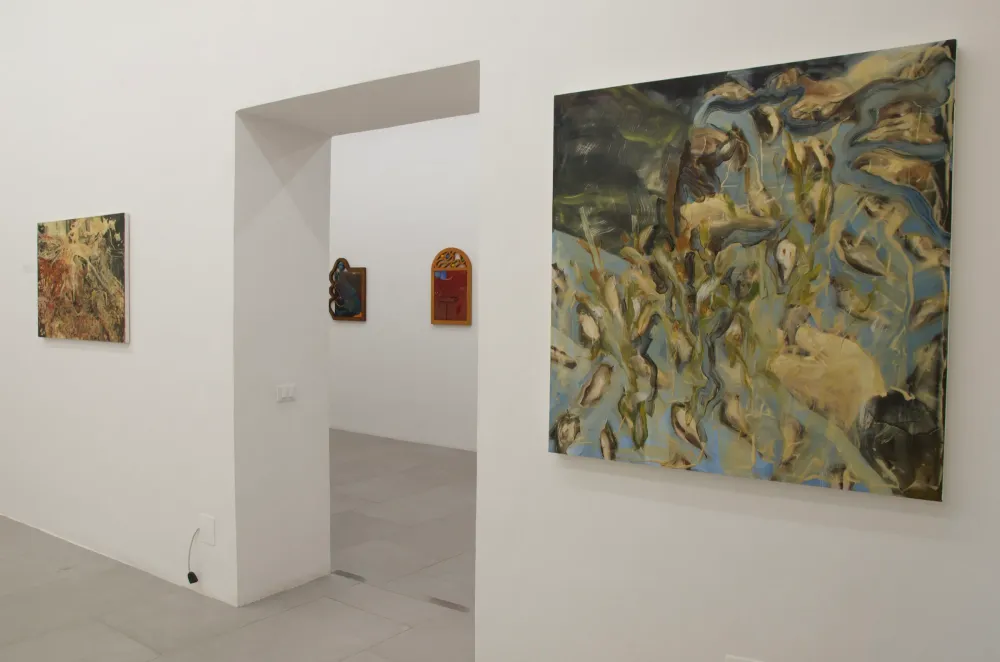
The Salon wall
Antonio Grulli
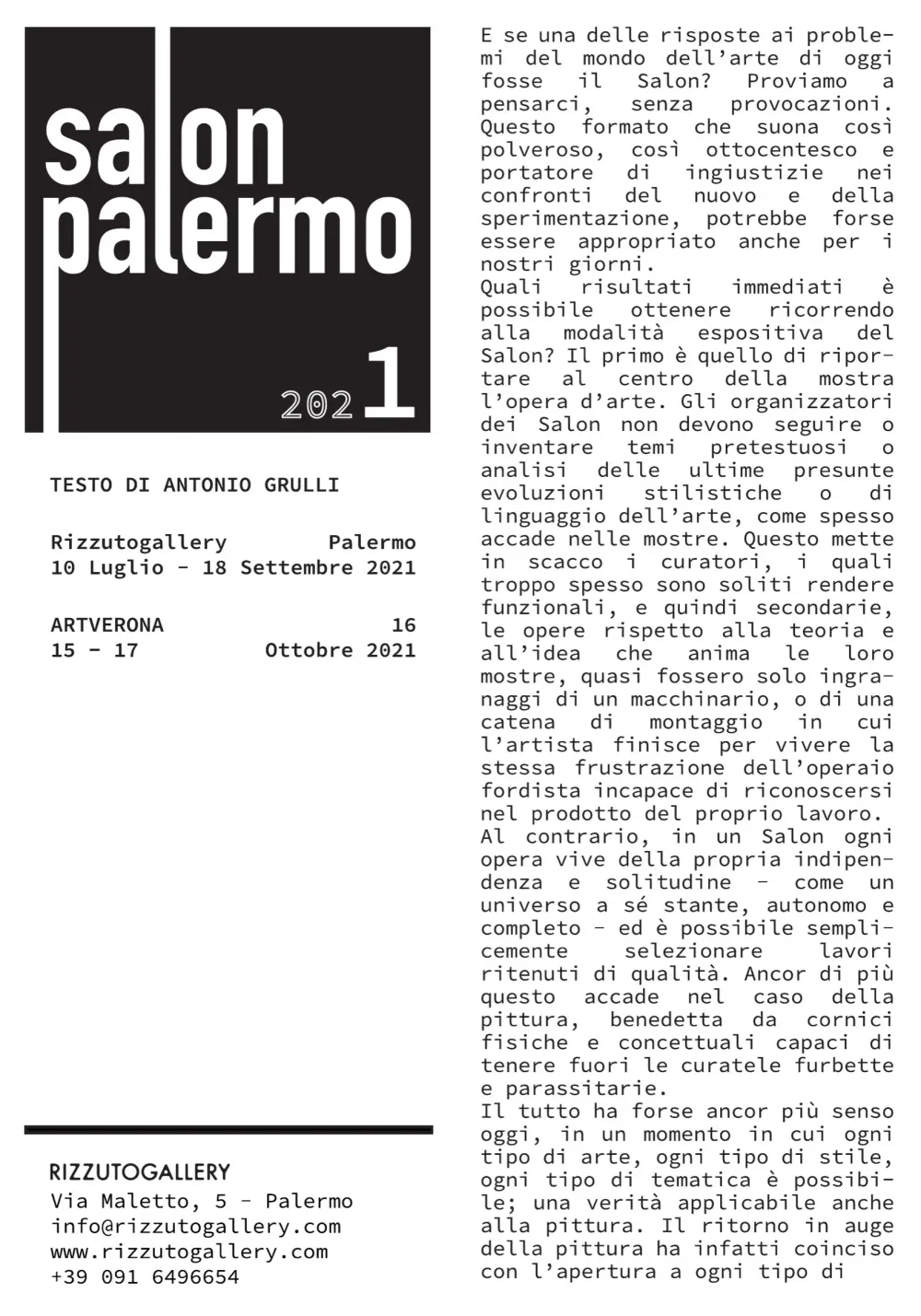
What if one of the answers to the problems of today's art world was the Salon? Let's try to think about it, without provocation. This format that sounds so dusty, so nineteenth-century and the bearer of injustices towards the new and experimentation, could perhaps also be appropriate for our days.
What immediate results can be obtained by using the exhibition method of the Salon? The first is to bring the work of art back to the center of the exhibition. Salon organizers must not follow or invent spurious themes or analyzes of the latest alleged stylistic or language evolutions of art, as often happens in exhibitions. This puts curators in check, who too often make works functional, and therefore secondary, with respect to the theory and idea that animates their exhibitions, as if they were just pieces of a machine, or an assembly line in which the artist ends up experiencing the same frustration as the Fordist worker unable to recognize himself in the product of his work.
On the contrary, in a Salon each work lives of its own independence and solitude, as a universe of its own, autonomous and complete; and you can simply select jobs that are deemed to be of quality. Even more this happens in the case of painting, blessed with physical and conceptual frames capable of keeping out the cunning and parasitic curatorships.
All this could make even more sense today, at a time when any type of art, any type of style, any type of theme is possible; a truth also applicable to painting, protagonist of this ours exhibition.
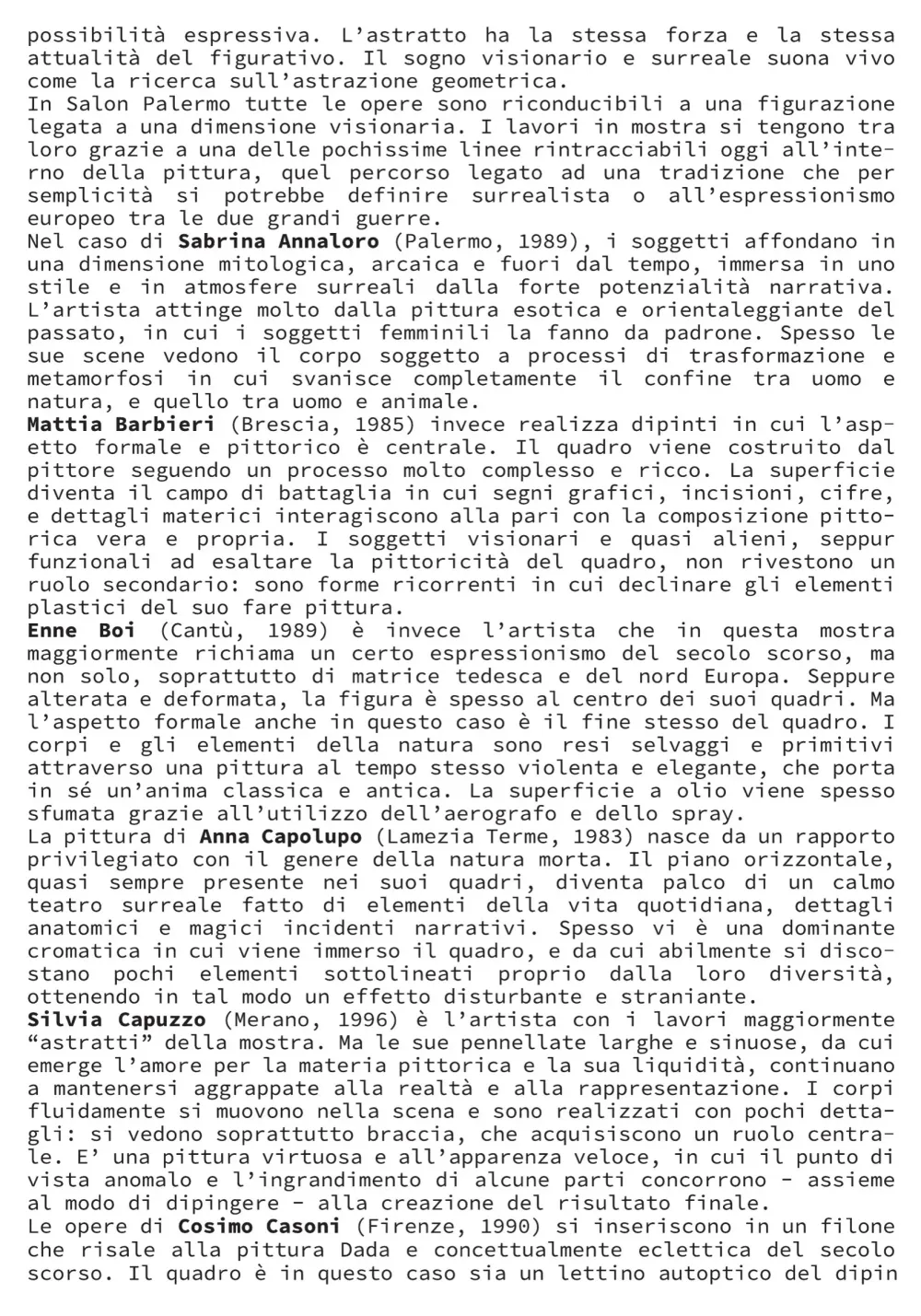
The revival of painting has in fact coincided with the opening to all kinds of expressive possibilities. The abstract has the same strength and the same topicality as the figurative. The visionary and surreal dream sounds alive as the research on geometric abstraction.
Salon Palermo it is an evident demonstration of this, albeit within a figurative context linked to a visionary dimension. In fact, the works on display here are held together, thanks to one of the very few lines that can be traced today within the painting, that path linked to a tradition that for simplicity could be defined surrealist, above all indebted to painters such as Leonora Carrington, or to the European expressionism between the two great wars.
In the case of Sabrina Annaloro (Palermo, 1989), the subjects sink into a mythological, archaic and timeless dimension, immersed in a surreal style and atmosphere with a strong narrative potential. She draw a lot from exotic and oriental-style paintings. Often her scenes see the body subject to processes of transformation and metamorphosis in which the boundary between man and nature, and that between man and animal, disappears completely.
Mattia Barbieri (Brescia, 1985) instead creates paintings in which the formal and pictorial aspect regains centrality. The painting is built by the painter following a very complex and rich process. The surface becomes the battlefield in which graphic signs, engravings, figures, and material details interact on a par with the actual pictorial composition. The visionary and almost alien subjects, although functional to enhance the pictorial nature of the painting, do not play a secondary role: they are a recurring element in which to decline the plastic elements of his painting.
Enne Boi (Cantù, 1989) is instead the artist who in this exhibition most recalls a certain expressionism of the last century, especially of German and Northern European roots. Although altered and deformed, the figure is often at the center of his paintings. But the formal aspect is also in this case the very purpose of the painting. The bodies and elements of nature are made wild and primitive through a painting that is both violent and elegant, which carries within it a classical and ancient soul. The oiled surface is often blurred by the use of the airbrush and spray.
Anna Capolupo’s painting (Lamezia Terme, 1983) was born from a privileged relationship with the genre of still life. The horizontal plane, almost always present in her paintings, becomes the stage of a calm surreal theater made up of elements of everyday life, anatomical details and magical narrative incidents. Often there is a chromatic dominant in which the picture is immersed, and from which a few elements skilfully differ, underlined precisely by their diversity, thus obtaining a disturbing and alienating effect.
Silvia Capuzzo (Merano, 1996) is the most "abstract" artist of the exhibition. But her wide and sinuous brushstrokes, from which the love for the pictorial material emerges, continue to cling to reality and representation. The bodies move fluidly in the scene and are made with few details: you can see above all arms, which acquire a central role. It is a virtuous and apparently fast painting, in which the alienating point of view and the enlargement of parts of reality contribute - together with the way of painting - to the creation of the final result.
The works of Cosimo Casoni (Firenze, 1990) are part of a trend that dates back to the Dada and conceptually eclectic painting of the last century. In this case, the painting is both an autopsy bed for painting and a playground in which to experiment and dedicate oneself to one's pleasure. The surfaces are populated by Cosimo with a multitude of elements of a different nature: the finely crafted figurative pictorial parts are brutally combined with tags stolen from the urban context, the graphics mix with the most violent signs of painting, such as scratches and scrapings, obtaining thus true autonomous pictorial landscapes.
Even the works of Gabriele Ermini (Firenze, 1996) live on this complexity of the pictorial surface, in which signs of a different nature coexist significantly, and in which classic colors mix with the airbrush and other techniques. Often the human figure is at the center of the scene in an almost sculptural way, rendered with acid and often flat colors but deformed in shapes in a way similar to what can be obtained through computers or digital animation.
Although the paintings of Alessandro Giannì (Roma, 1989) often have a subject taken from the internet or from new media, the final result is extremely pictorial and manages to become almost completely independent from its initial inspiration. In fact, the paintings are rendered with aggressive backgrounds and courageous color combinations. The images are violently deformed into results close to expressionism, and something magical and difficult to decipher always happens in his scenes.
Jimmy Milani (Savigliano, 1995) creates paintings in which the thoughtful and planned compositions made of flat painted backgrounds are obtained with a few distinct colors. The works draw heavily from the world of comics, acidic fairy tales, graphics and illustrations, transferring everything to a pictorial level kept independent through an uncommon ability to create powerful and magnetic images. It is as if Jimmy were able to combine the great tradition of Italian metaphysics with the world of low-fi videogames of the nineties.
With Mattia Sinigaglia (Castiglione delle Stiviere, 1989) we return to the world of nuanced and poetic painting in which magic, myth and scientific research mix in an enchanted way. Also in his case, as in Jimmy Milani, there is sometimes a recourse to three-dimensional shapes that interact with the pictorial surface, albeit with different results. The colors blend and mix, in a dreamed and dreamy reality, composed of symbolic elements as well as graphic signs.
This is the group of artists who arrived in the South, for the Salon Palermo. It is a cyclical migration, which has already happened in the past, of painting towards the sun, life, colors, heat. A necessary movement of painting, far from the hermeneutics and conceptualism of the north, to embrace the eroticism of vision, magic and mystery. Again. This time in Palermo, in Sicily, in that wedge of Europe that seems to be pushing into North Africa and the Middle East.
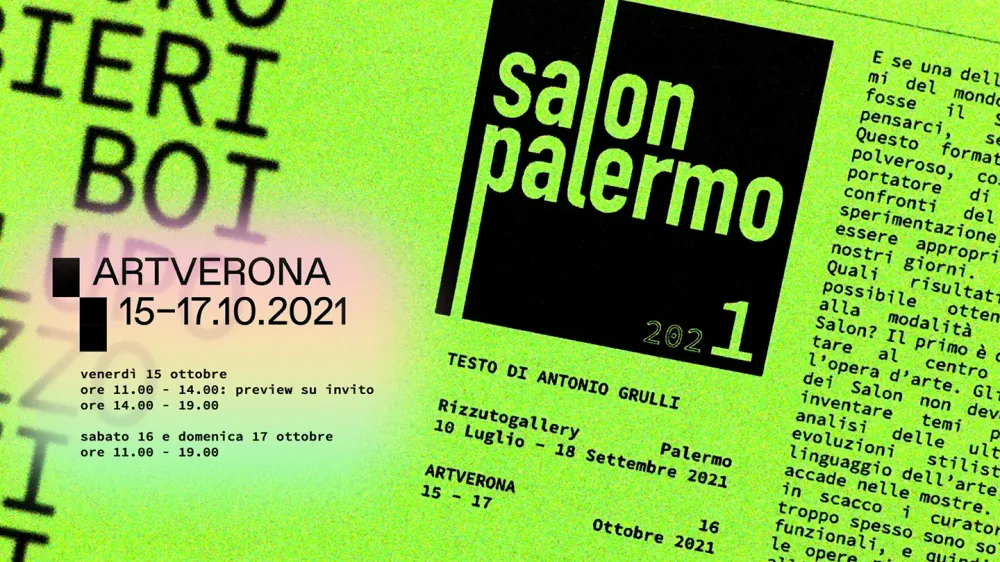
Salon Palermo @ ArtVerona 2021
“…We liked the exhibition so much that we would like to present it again in a new context, convinced that the magic of this group must be experienced by as many people as possible.”
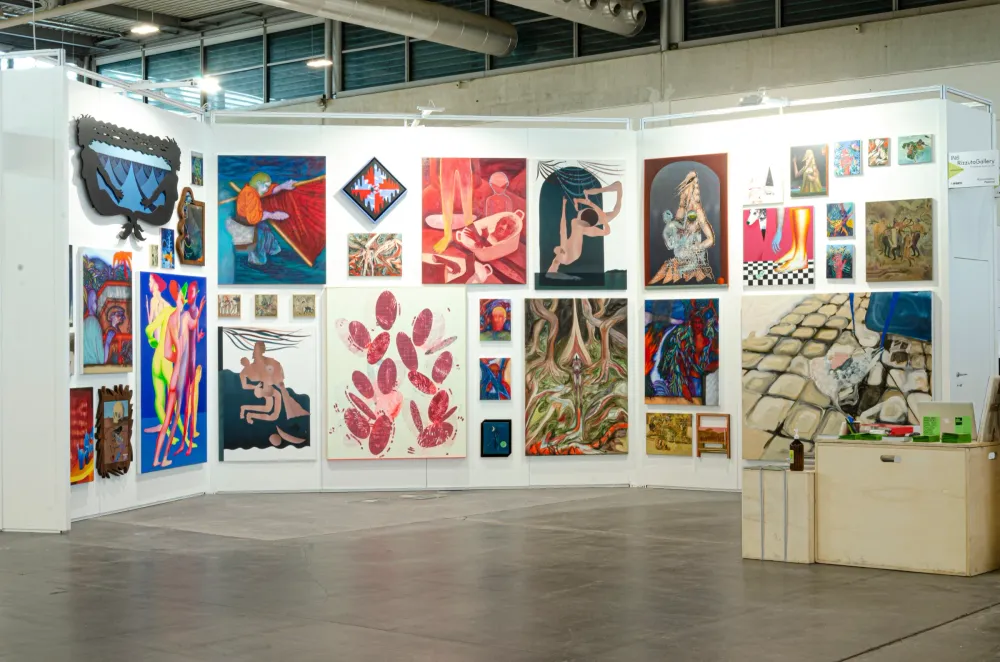
A month after closing in the gallery, Salon Palermo heads north. From 15 to 17 October 2021 RizzutoGallery brings the exhibition to the sixteenth edition of ArtVerona, with a booth entirely dedicated to the ten artists of the first edition: Sabrina Annaloro, Mattia Barbieri, Enne Boi, Anna Capolupo, Silvia Capuzzo, Cosimo Casoni, Gabriele Ermini, Alessandro Giannì, Jimmy Milani and Mattia Sinigaglia.
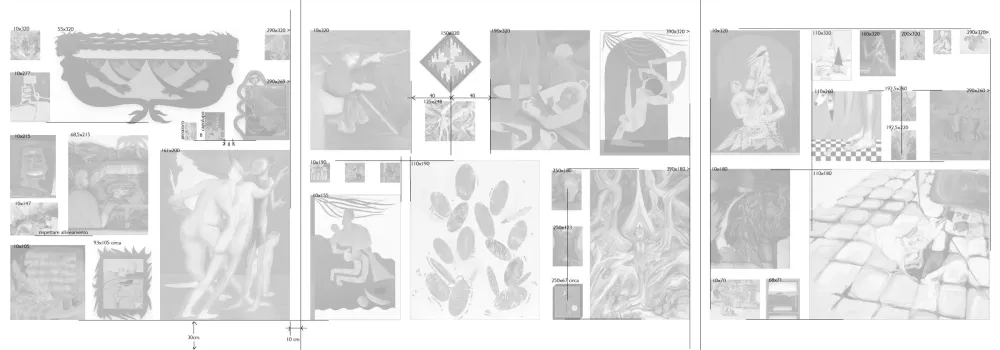
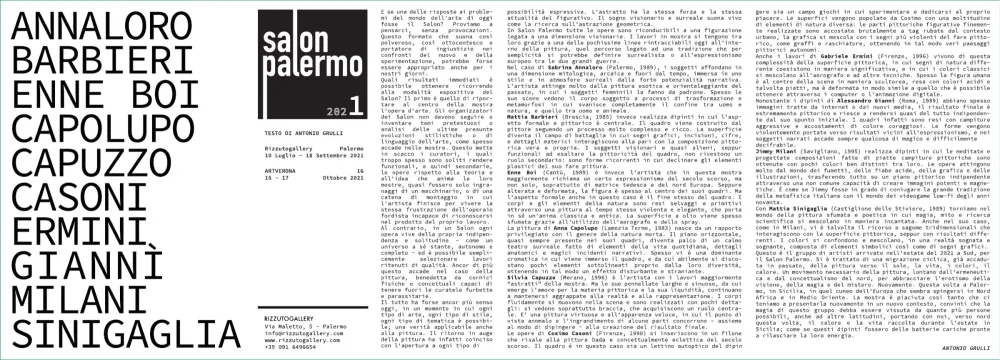
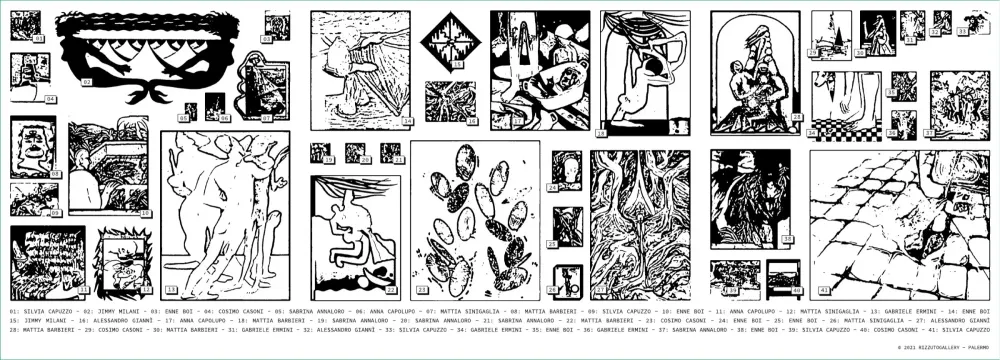
In the Introduction section, in hall 12, forty-one works cover the three walls of the booth, hung close together as in the Salons. The leaflet handed out at the fair carries Antonio Grulli’s critical text, with a new ending written for the occasion: the paintings as “charged batteries ready to release their energy”, carried from the South to the north.
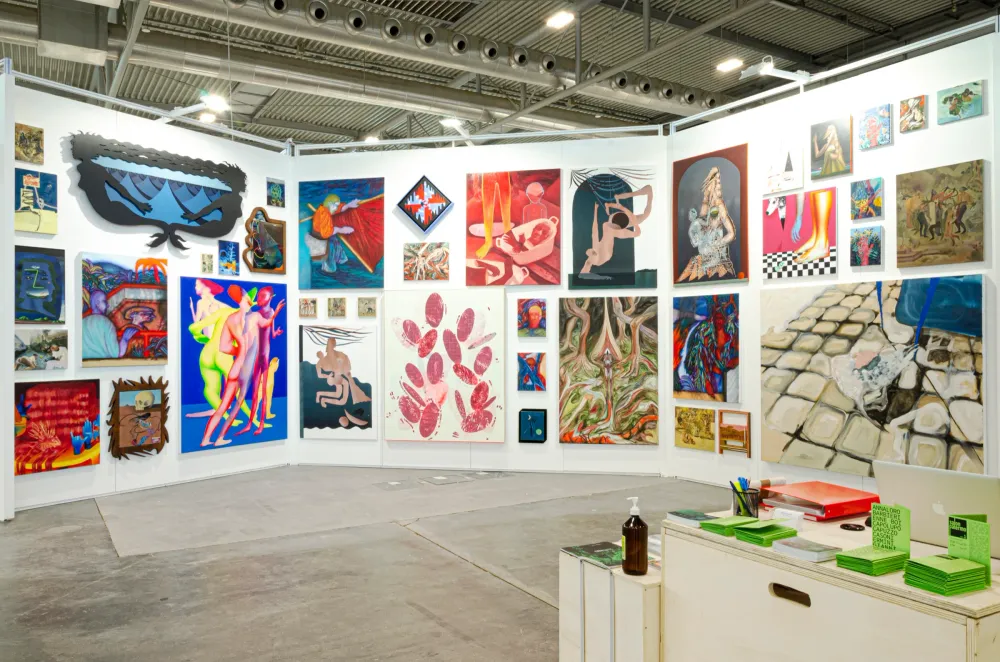
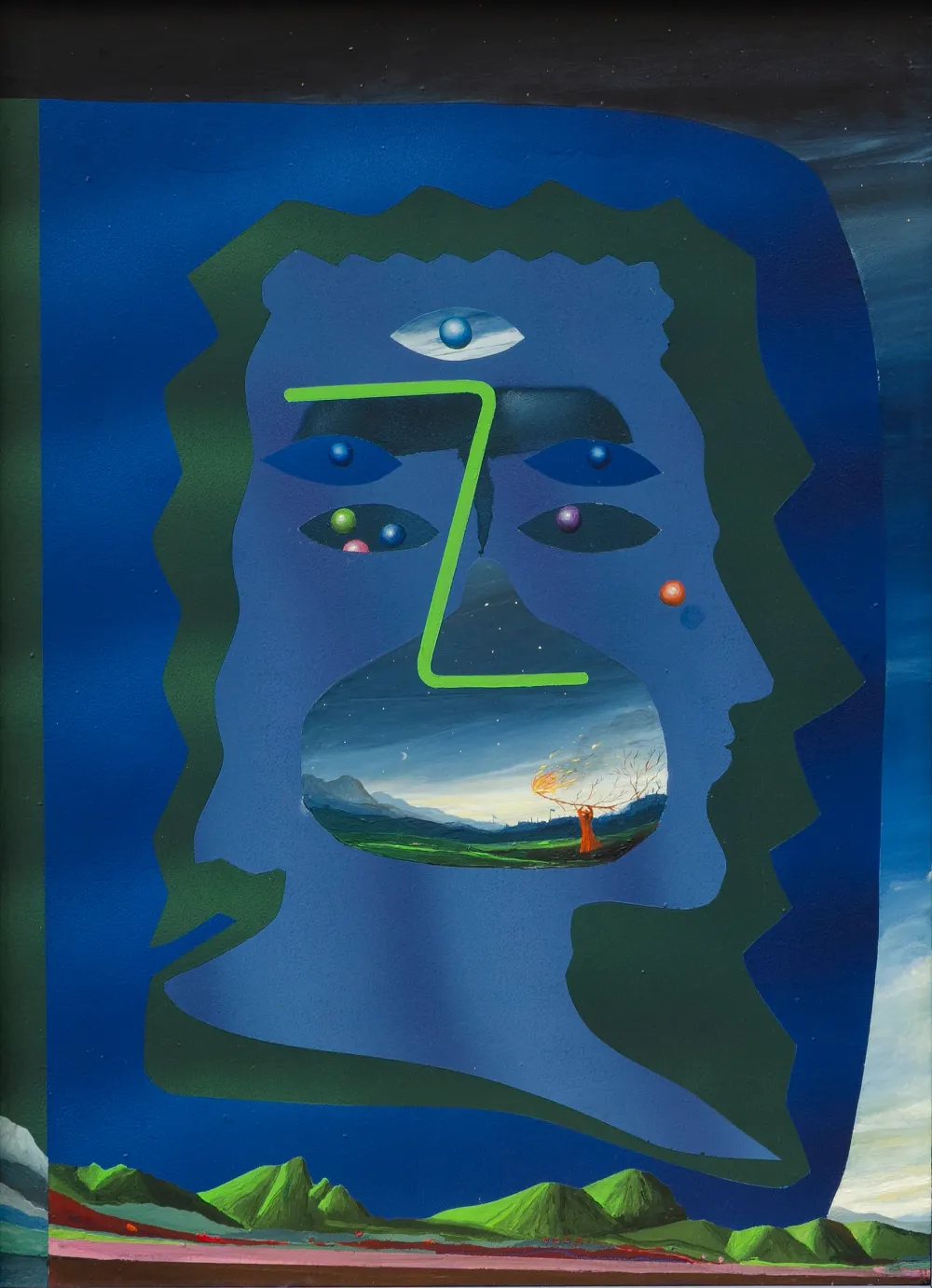
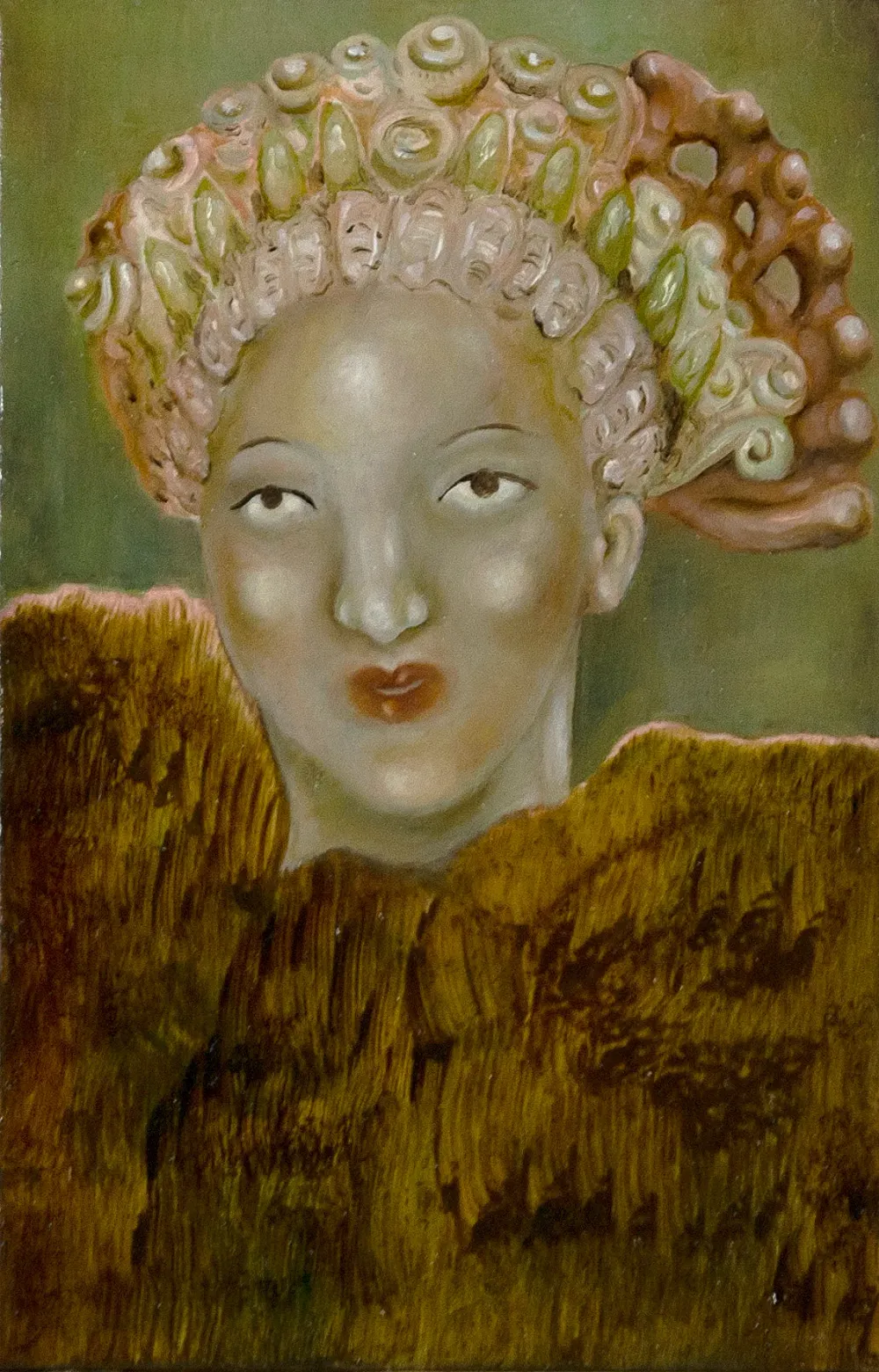
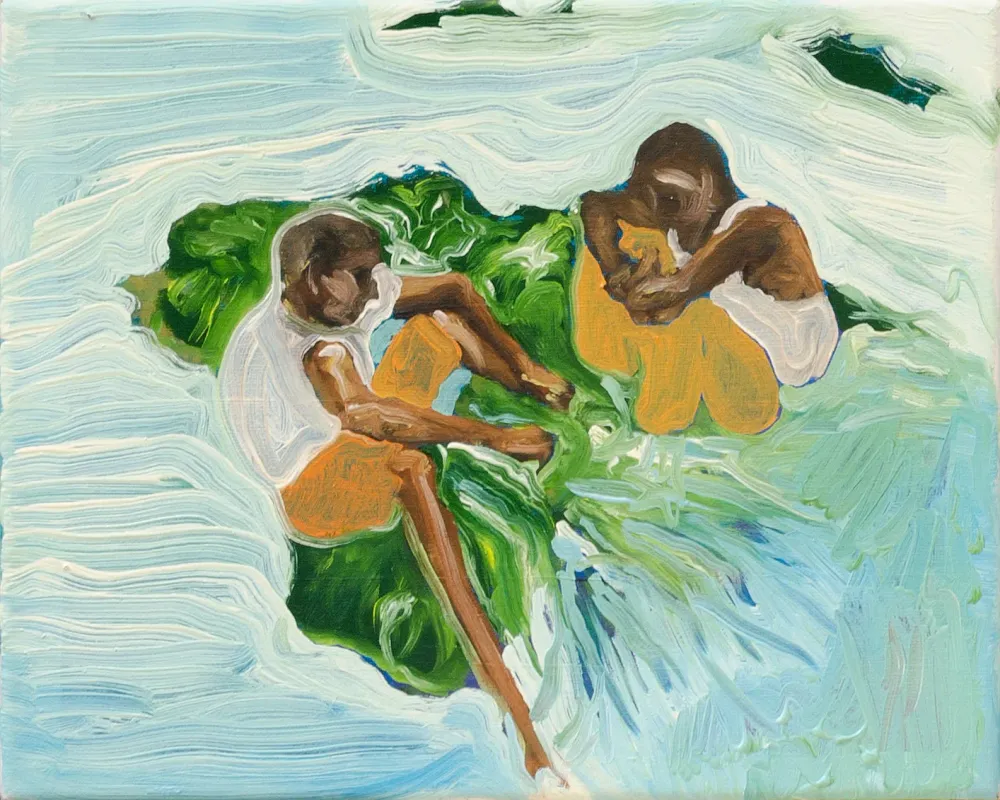
Mattia Barbieri in the show